Business
How Fashion Brands Use a Content Planner for Seasonal Promotions

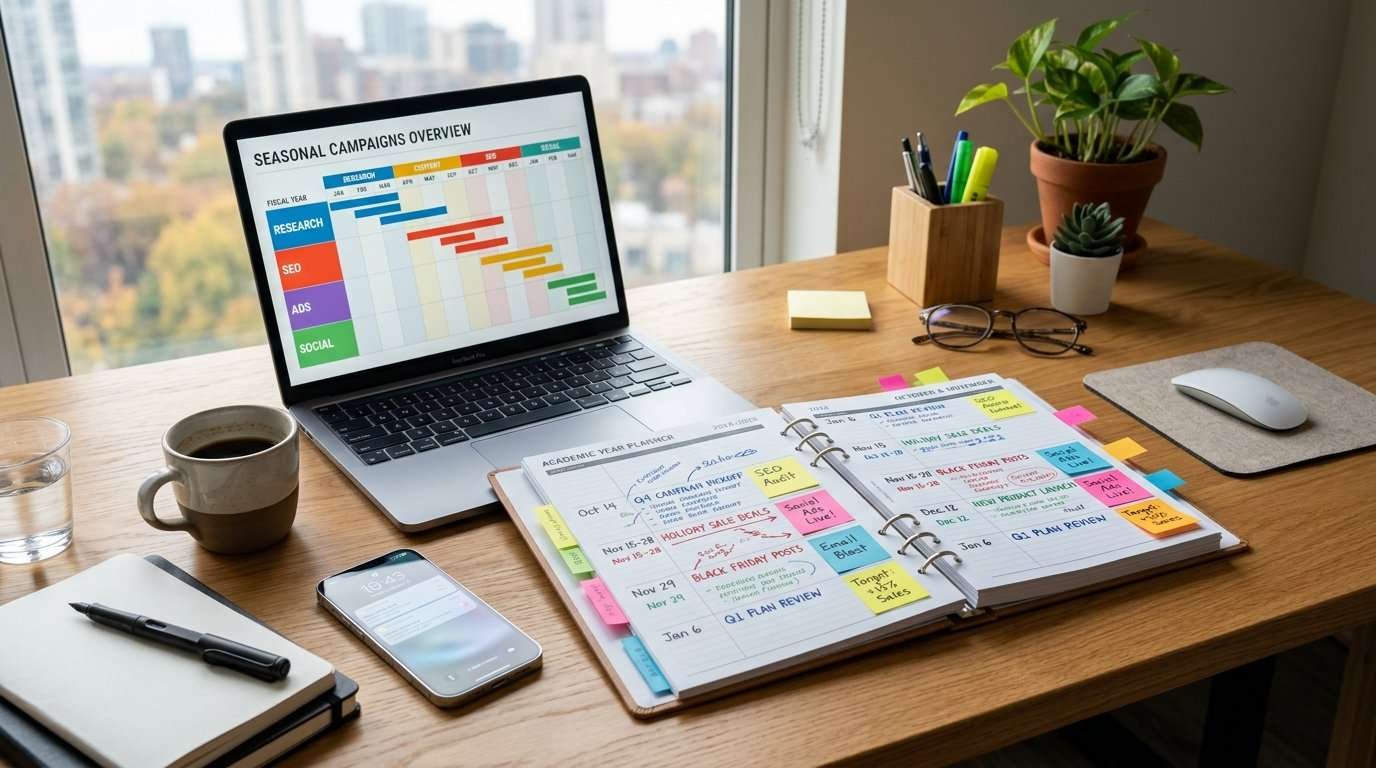
Fast Fashion is a hallmark of the fashion industry. In other industries, a product can still be in fashion for a number of years, but not so in the fashion world, which follows a cycle of trends, drops and seasons. Season change is not only “weather change” for a fashion brand, it’s “Super Bowl of the marketing.” So whether it’s a luxury “haute couture” house or a high street “fast fashion” shop, it’s time to get ready for the next season. It’s the time when brands need to capture attention, engage customers, and make them a buyer. In such a competitive environment, however, it pays to have a cohesive program of content creation rather than a random scattershot approach of publishing content whenever it’s convenient on social media. This is where the strategic use of a content planner can help your marketing campaign to be successful. Giving careful attention to themes, images and messages, brands can not only be part of the season, but part of the season that dominates.
Seasonal marketing is a crucial aspect of any business operation
Promotions are the lifeblood of fashion retail, especially during the seasons. They determine the cash flow and inventory turnover. A brand’s opportunity to launch a Spring/Summer collection or a Winter holiday campaign is huge. With no point of reference, many marketing teams can get caught up in all the assets they need, whether it’s photos or videos, copy or email marketing. A content planner acts as the hub of a marketing department and enables them to see the big picture at one glance throughout the season. It’s a link between the creative team, who are coming up with the look, and the sales team, who want the money now. This consistency helps to keep the brand’s story cohesive, which can be beneficial when it comes to a consumer experience, from Instagram Reels to email marketing.
Beyond the Four Seasons: Mapping the Fashion Calendar” is the title of this book
A content planner’s one of the key tasks is to create a brand’s roadmap which is beyond the mere categorisation of Spring, Summer, Fall and Winter. The fashion calendar is divided into “drops,” “capsule collections,” “resort wear” and “pre-fall” in the fashion world. With a sophisticated planner it is possible to break down these micro-seasons. A brand could use their planner to plan a 3-month campaign for Summer. The themes could be Festival Fashion, Summer Vacation and Back to School, in month one, month two and month three respectively. The advantage here is that the brand can change the messages and visuals in the smaller segments of the season, thus avoiding audience fatigue. This degree of detail helps the customer stay interested in the product all year long and not just for the week the product is released.
Coordinating Omnichannel Campaigns
Consumers of today’s fashion are not in isolation, but experience the brand on several channels. Maybe they see an ad on a billboard, scroll through a TikTok video, get an email to check out an offer, and then make a trip to a physical location and end up in the store. These multichannel initiatives must be coordinated, and that’s where a content planner comes into play. It enables the marketing team to plan out particular content for a selected platform on a selected time. For instance, the planner could set up a video to be posted onto TikTok two weeks before the launch, then high resolution editorial photos on Instagram at the time of launch, followed by a discount code sent to loyal subscribers 3 days later. Without a centralized planning tool, it’s not possible to effectively run this choreography. It ensures a message that isn’t repetitive but rather reinforces the message if the customer is on the sales funnel.
Visual Storytelling and Aesthetic Consistency
Fashion is a form of communication through images; therefore, if your promotional images don’t convey the “dream” (or fantasy) of what you want customers to experience when wearing your products, then the products themselves aren’t going to be sold. Many promotional campaigns (such as seasonal promotions) use a unique visual theme. For example, some campaigns have a very warm, golden look (such as during the fall season) while others have a very cool, white look (such as during the summer season). Content planners help keep creative teams on track with maintaining a consistent visual theme across all the elements of a campaign. When planners include mood boards, color palettes and shot lists, it allows the entire team to see that each element of the campaign is related to each other. Keeping track of visual consistency is especially critical as brands transition from one season to another. For example, as brands go from layering heavily in the winter months to layering less in the spring months, planners provide a visual representation of how the brand will evolve. This provides visual continuity and makes sure that customers recognize the brand no matter which platform they are viewing the content on.
Managing the Production Pipeline
Creating fashion content is a very large logistical challenge. You have to hire models, photographers, stylists, make up artists and locations. Then, you spend an enormous amount of time in post production (editing) your images and/or video. A content planner is like a project manager for all of these assets. The content planner will tell you what state each asset is in. Will the samples arrive on time for the photo shoot? Is the editing done on the image(s)? Was the copy approved by the legal department? This tracking of assets is especially important for seasonal promotions because if one thing goes wrong with the launch, everything else could be delayed. When brands plan their promotions ahead of time, “batching” content can help them avoid rushing to create assets the week before a sale. Planning ahead can also relieve some pressure from the team and allow them to produce better quality work.
Real-Time Adaptation and Agility
A content planner should provide the framework for agility as well as organization. The fashion world is known to be unpredictable; a celebrity could wear an item unexpectedly or a viral trend may arise in minutes. A structured planner enables the team to respond to what is happening at any given moment. Since most of the planning has been completed prior to this point, the team will have the mental capacity to react to immediate occurrences. If, for instance, a particular dress becomes popular on TikTok, the brand can look at their planner, find the approved images of that dress, and then post a marketing message related to it right away without disrupting the remainder of their planned marketing activities. The planner serves as the security net that enables the brand to pursue innovative ideas based upon real-time feedback.
Measuring Success and Analyzing Data
The content planner role also includes analyzing the results of a brand’s marketing campaigns after they have been completed. A good content planner will include analytical features such as data tracking so that brands can determine what worked well during the season. For example, did the brand’s video content create higher levels of sales compared to its static images? Or was the brand’s Tuesday email campaign better received than its Friday email campaign? When a brand uses the results of its campaign through the planner, it has the ability to adjust its marketing strategies for the next season. The process of adjusting a brand’s marketing strategy based upon the results of its past campaigns is an important part of continuous improvement. The content planner is no longer just a calendar but a tool used to help inform future marketing decisions and make sure each seasonal marketing campaign is more successful than the previous one.
Conclusion
Seasonal promotions are too critical to be randomly organized in the fast paced world of fashion. A brand’s ability to plan for a successful product introduction or a forgettable one typically depends on the planning process. Content planning allows a fashion brand to turn an unorganized mess into a choreographed dance. With content planning, brands can make sure their visual assets are visually appealing, their messaging is on target, and all members of their team are working together. Micro-trends and immediate satisfaction are now the driving force behind how consumers shop in today’s rapid-fire environment. Those brands that can organize themselves and maintain flexibility to change as needed will succeed. A content planner is more than simply a calendar; it provides a strategic framework for a fashion brand to navigate through the fluctuating currents of fashion and business.


How to Choose the Right Branded Pens for Your Target Audience

Mixed Emotions x Dandy Hats: Modern Streetwear Meets Statement Accessories

How Fashion Brands Use a Content Planner for Seasonal Promotions

Who Is Keiko Fujimoto? All About Sunny Balwani’s Former Wife

Bandit Lee Way: Everything to Know About Gerard Way and Lyn-Z’s Daughter

Meet David Scott Simon: Alison Berns’ Husband and His Private Life
-
 Celebrity2 months ago
Who Is Keiko Fujimoto? All About Sunny Balwani’s Former Wife
-
 Celebrity2 months ago
Bandit Lee Way: Everything to Know About Gerard Way and Lyn-Z’s Daughter
-
 News2 months ago
Meet David Scott Simon: Alison Berns’ Husband and His Private Life
-

 Celebrity2 months ago
Who Is Fred Tillman? The Full Story of Kelly McGillis’s Former Husband
-

 News2 months ago
Meet Morgan Kay Beamer: The Todd Beamer’s Daughter
-

 News3 months ago
Meet Carol Marlow: The Full Story of Tony Dow’s Private Ex Wife
-

 Celebrity1 month ago
Who Is Alice Young? Meet Neil deGrasse Tyson’s Wife
-

 Celebrity2 months ago
Meet Kelly Stewart-Harcourt: The Story of Jimmy Stewart’s Daughter