
Business
Common Exterior Home Maintenance Mistakes That Can Lead to Water Damage and Expensive Structural Repairs

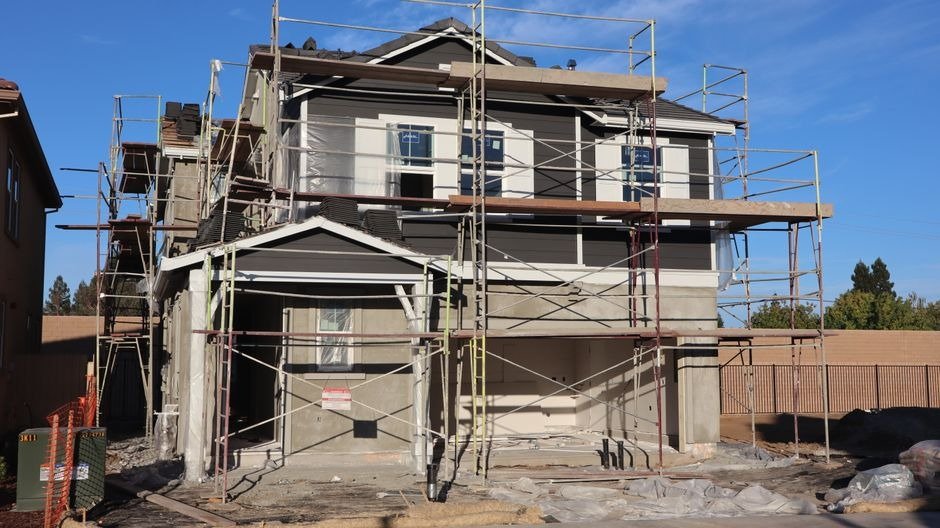
A home’s exterior works hard every day to keep rain, snow, and wind away from the rooms where people live. Most homeowners only notice that work when something fails, and by then the damage has usually spread well beyond the spot where it started.
In Boulder, CO, heavy snow, strong winds, and sharp swings in temperature put extra strain on every surface of a house. Small oversights that seem harmless in summer can turn into soft wood, mold, and weakened framing by spring. The good news is that most of these problems begin with simple mistakes that are easy to avoid once you know what to watch for.
Why the Outer Walls Deserve Close Attention
The walls of a house form the largest barrier between the weather and the structure inside, so even a small weak point can let in a surprising amount of moisture. Cracked, warped, or loose siding is one of the most common ways water slips behind the walls and soaks into the sheathing and frame without anyone noticing.
Replacing worn panels with durable material that is fitted correctly by experienced siding contractors is the most reliable way to close those gaps for good. When the boards on your home start to show their age, hire a siding contractor in Boulder, CO who can replace them before leaks have a chance to reach the frame. Sound, well-sealed walls let the rest of the house stay dry, comfortable, and protected through every season of the year.
Letting Gutters Fill Up and Overflow
Gutters are designed to carry rainwater and melting snow away from the house, but they can only do that job when they are clear. Leaves, pine needles, twigs, and grit collect quickly, especially in the fall. Once the channels are blocked, water spills over the edge and runs straight down the face of the house or pools along the foundation.
That overflow causes more harm than most people expect. It soaks the lower parts of the walls, rots the boards behind the gutters, and washes soil away from the base of the home. In cold weather, trapped water can freeze into heavy ice that pulls the gutters loose from the roofline.
Cleaning gutters at least twice a year, once in late spring and once after the leaves fall, prevents most of these problems. Downspouts should empty several feet away from the house so the water drains into the yard instead of collecting next to the foundation.
Ignoring Small Roof Problems After a Storm
A roof can lose a few shingles in a windstorm or take a beating from hail without showing any obvious signs from the ground. Unfortunately, water often finds its way into the attic long before a stain appears on the ceiling.
Once moisture reaches the decking and insulation, it can rot wood, encourage mold, and weaken the rafters over time. A single missing shingle or lifted flashing near a chimney is enough to start that process.
After any strong storm, take a careful look at the roof from the yard with binoculars. Watch for missing or curled shingles, dented vents, and granules piling up in the gutters. If anything looks out of place, have it checked and repaired quickly. Fixing a small spot right away costs far less than replacing damaged framing later.
Allowing Soil to Slope Toward the Foundation
The ground around a house should gently slope away from it so rain naturally flows outward. Over the years, soil settles, flower beds get built up, and landscaping changes the shape of the yard. Slowly, the ground can begin to tilt back toward the house without anyone realizing it.
When that happens, every rainstorm sends water straight to the foundation. The soil there stays wet, puts pressure on the walls, and can push moisture into basements and crawl spaces.
Walk around your home during a steady rain and notice where the water travels. If it pools near the base of the walls, add soil to build up the grade so it slopes away. Keeping mulch and garden beds a few inches below the bottom edge of the walls also helps keep moisture where it belongs.
Overlooking Gaps Around Windows and Doors
Windows and doors create openings in the walls, and the seals around them are some of the first places to fail. Caulk dries out and cracks under the sun, and weatherstripping flattens with years of use. These small gaps may look harmless, but they let wind-driven rain slip inside the wall.
Water that enters around a window frame can soak the surrounding wood and drywall for months before any sign shows up indoors.
Inspect the seals around every window and door once a year. Scrape away old, cracked caulk and apply a fresh bead where needed. Replacing worn weatherstripping is a simple weekend task that keeps out both water and cold air.
Neglecting Paint and Protective Finishes
Paint forms a protective coating that keeps wood trim, fascia boards, and other exterior surfaces from absorbing water. Once the paint begins to peel, chip, or fade, that protection starts to disappear.
Bare wood soaks up moisture with every storm, then dries out in the sun. That constant cycle causes cracking, warping, and eventually rot. Touch up small areas as soon as you spot peeling paint, and plan for a full repaint when the finish looks tired across large sections of trim.
Skipping Regular Seasonal Inspections
Many of the mistakes above share one root cause, which is waiting too long to notice that something is wrong. A quick walk around the home each spring and fall can catch small problems while they are still cheap and simple to fix.
During each inspection, look at the roofline, gutters, walls, windows, doors, and foundation. Watch for stains, cracks, loose pieces, and areas that stay damp much longer than the rest of the house after rain.
Business
Smart Ways to Upgrade Aging Interior Fixtures, Flooring, and Plumbing Systems for Long-Term Durability

Every home ages, and the signs usually show up indoors first. A faucet starts to drip, a floor tile cracks, or water pressure drops for no clear reason. Planning upgrades with long-term durability in mind helps homeowners avoid repeated repairs and keeps the house comfortable for many years.
The goal is not simply to make rooms look new again. It is to choose materials and systems that hold up well, need little upkeep, and protect the home from hidden damage.
Knowing When Small Repairs Are No Longer Enough
Most homeowners start with quick fixes, and those fixes work for a while until the same problems keep coming back. In the bathroom, worn grout, loose fixtures, and soft spots near the floor are common signs that moisture has been working its way into the structure for some time. At that stage, a full renovation handled by skilled specialists is usually the safer path than another round of patching.
Homeowners who want lasting results can hire experienced bathroom remodelers who replace worn materials with quality products and complete the work without long delays. A well-planned project like this removes the cause of the damage instead of hiding it, which saves money and stress down the road.
Start With an Honest Look at the Whole House
Before buying anything new, walk through each room and make a list of what is wearing out. Check under sinks for stains or soft wood, which can point to slow leaks. Look at the floors for gaps, warping, or lifting edges. Turn on each faucet and listen for knocking or rattling in the pipes.
This simple review helps you sort upgrades by urgency. Problems involving water should come first because they cause the most damage when left alone. Cosmetic changes, such as new paint or updated hardware, can wait until the more serious issues are handled.
Choose Fixtures Built to Last
Fixtures get used every single day, so quality matters more than style alone. Faucets with solid brass bodies tend to last far longer than those made mostly of plastic. Ceramic disc valves inside a faucet resist wear and are less likely to drip than older washer designs. When choosing handles, cabinet pulls, and towel bars, look for finishes that resist scratches and fading, such as brushed nickel or stainless steel.
Lighting is another fixture that is often overlooked. Replacing old bulbs and dated fittings with LED options cuts energy use and reduces how often you need to change bulbs.
Pick Flooring That Handles Daily Wear
Flooring takes more abuse than almost any other surface in a home. For high-traffic areas, consider materials known for strength, such as porcelain tile or quality luxury vinyl plank. Porcelain is dense and resists water, which makes it a strong choice for kitchens, laundry rooms, and entryways. Luxury vinyl is softer underfoot, quieter, and handles moisture well, which makes it practical for busy family homes.
Hardwood still has a place in living rooms and bedrooms, where it adds warmth and can be refinished several times over its life.
Whatever you choose, pay attention to what goes beneath it. A level, dry subfloor is the foundation of any lasting floor. Skipping this step leads to cracked tiles, squeaky boards, and gaps that appear within a few years.
Update Aging Plumbing Before It Fails
Plumbing problems are often hidden behind walls and under floors, which makes them easy to forget until something goes wrong. Many older homes still have galvanized steel pipes, which rust from the inside and slowly reduce water flow. Replacing these with copper or flexible PEX lines improves water pressure and lowers the risk of sudden leaks.
Shut-off valves are another small but important upgrade. Older valves can seize up and fail to close when you need them most. Fitting new quarter-turn valves under sinks and near toilets lets you stop the water quickly during an emergency.
Water heaters also deserve attention. If yours is old and showing rust or making popping sounds, replacing it before it leaks can prevent serious water damage.
Protect Your Upgrades From Moisture
Moisture is the main enemy of durable interiors. Even the best materials will break down if water and steam are allowed to linger. Good ventilation is the first line of defense. Exhaust fans in kitchens and laundry areas remove damp air before it settles into walls and ceilings.
Sealing is just as important. Caulk around sinks, counters, and baseboards should be checked once a year and replaced when it cracks or peels. Grout lines in tiled areas should be sealed to keep water from soaking through. Small steps like these keep moisture out of the structure and extend the life of every upgrade you make.
Plan Upgrades in the Right Order
The order of work can save a great deal of time and money. In most cases, it makes sense to handle plumbing and electrical work first, since these often require opening walls or floors. Once those systems are updated, flooring can go in, followed by fixtures, cabinets, and final finishes.
Working in this order avoids damaging new surfaces during later repairs. If your budget does not allow everything at once, finish one room completely before moving to the next rather than doing partial work across the whole house.
Maintain What You Have Improved
Durability does not end when the project is finished. Regular care keeps new materials performing well for years. Clean floors with products made for that surface, since harsh cleaners can wear down finishes. Check under sinks every few months for any sign of moisture, and act quickly when you find it.
Keep a simple record of what was installed and when, along with any warranty details. This makes future repairs easier and helps you plan the next round of updates before small issues turn into larger ones. With steady attention and smart choices, an older home can feel solid, comfortable, and dependable for decades.


Dubai has become a popular destination for international property investors who want to combine real estate investment with long-term residency. However, before applying, many investors want to know how long the process takes, which documents they need, and whether delays can affect their plans.
The good news is that the application process has defined service timelines, although the actual time may depend on document readiness, eligibility checks, and individual circumstances. Understanding each stage can help applicants prepare properly and avoid unnecessary delays.
For investors exploring the requirements, the Property Golden Visa process involves more than simply owning real estate. Applicants must meet the relevant eligibility criteria, prepare the required paperwork, and complete the residence permit formalities.
How Long Does a Property Golden Visa Take in Dubai?
According to the Dubai Land Department (DLD), the published service time for its property investor Golden Visa application is 7–10 business days. This is the stated service timeline, not a guarantee that every application will be completed within that period.
The total time can vary depending on the applicant’s circumstances. For example, someone who already has the necessary property documents and identification may be ready to apply sooner than someone who needs to obtain a bank letter or correct an ownership record.
It is also important to distinguish between preparing an application and processing it. The preparation stage can take additional time, particularly when documents need to be updated, verified, or obtained from another organisation.
What Are the Main Stages of the Application?
Understanding the application process makes it easier to estimate how much time you may need.
1. Checking Property Eligibility
Before starting, confirm that the property and ownership arrangement qualify for the intended residence route. Dubai has different property-related residency options, so investors should identify the correct category rather than assume every property purchase qualifies for the same visa.
For the 10-year Golden Visa route, the published DLD requirements generally include qualifying property ownership with a total purchase value of at least AED 2 million. One or more properties may be considered when the applicable conditions are met.
Joint ownership, mortgages, and off-plan purchases can involve specific requirements. Investors should confirm how their circumstances are treated before submitting an application.
2. Preparing the Required Documents
Document preparation is an important part of the timeline. Applicants should check the current requirements for their particular route before booking an appointment or submitting an application.
Common documents for a property investor application include:
- A valid passport.
- An electronic title deed or certificate of title.
- A recent personal photograph.
- A copy of the current UAE residence permit, if applicable.
- Emirates ID, if available.
Additional documents may be necessary depending on the ownership arrangement and application category. For example, a mortgaged property may require a bank letter confirming the relevant amounts paid and outstanding, together with any required no-objection confirmation.
Applicants should ensure that names, passport details, and property ownership records are consistent. Errors or missing documents can lead to requests for clarification and extend the overall process.
3. Submitting the Application
Once the documents are ready, the applicant can use an authorised service channel for the relevant property residency category.
The submission stage may involve presenting documents, completing application formalities, and paying the applicable fees. Applicants should verify whether their selected service requires an in-person visit and whether an appointment is needed.
For certain DLD property investor services, the applicant must be inside the UAE. Checking this condition before making travel arrangements can help prevent avoidable complications.
4. Completing Medical and Residency Formalities
Where required, the applicant must complete a medical examination and the remaining residence permit procedures. Emirates ID processing and other administrative steps may also form part of the process.
The order of these steps can depend on the service route and the applicant’s existing immigration status. Follow the instructions provided by the relevant authority or authorised service centre instead of assuming every application follows an identical sequence.
5. Receiving the Residence Permit
After the required checks and formalities are completed, the residence permit is issued through the relevant process. Applicants should monitor any application updates and respond promptly if additional information is requested.
The best way to avoid unnecessary waiting is to prepare documents carefully, check eligibility in advance, and follow official instructions at each stage.
What Factors Can Delay a Property Golden Visa?
Although the published DLD service time is 7–10 business days for its property investor Golden Visa service, several factors can affect an individual application.
Incomplete or Incorrect Documents
Missing documents, outdated identification, inconsistent personal details, or unclear property records can slow down an application. Before submission, review every document against the current checklist.
Mortgage or Joint Ownership
Properties purchased with financing or held jointly may require additional evidence. Applicants should confirm the applicable conditions and obtain any required bank confirmations or ownership documents before applying.
Eligibility Questions
The authorities may need to clarify the property’s value, the applicant’s ownership share, or whether the selected visa category applies. Resolving these questions early can reduce the risk of delays.
Medical or Identification Procedures
Applicants who have not completed the required medical examination or identification formalities may need additional time after submitting their initial documents.
Public Holidays and Working Days
A timeline expressed in business days does not include every calendar day. Weekends, public holidays, appointment availability, and requests for further information can affect the date an applicant receives the final permit.
How Can You Make the Process Faster?
While applicants cannot control every stage of government processing, they can take practical steps to make the application more efficient.
Check eligibility first. Confirm the relevant property value, ownership conditions, and visa category before preparing the application.
Use the latest document checklist. Requirements can differ between property residency routes. Follow the checklist provided by the authority handling your case.
Prepare supporting evidence early. If a bank letter, updated title deed, or other supporting document is needed, request it before beginning the formal application.
Review details carefully. Ensure passport information, contact details, and property records match the supporting documents.
Attend appointments on time. Complete any required medical examination or identification procedures as instructed.
Respond quickly to requests. If the authorities request additional information, provide accurate documents as soon as possible.
Use an authorised service channel. Confirm that the centre or digital channel is approved for the specific visa category you are applying under.
These steps cannot guarantee faster approval, but they can reduce avoidable administrative delays.
How Much Does the Application Cost?
The cost depends on the residence category, services required, and any additional applications for family members.
For the DLD 10-year property investor Golden Visa service, the published fee breakdown totals AED 9,884.75 for the main applicant. This includes listed medical examination, Emirates ID, residence permit, DLD, and administrative charges. Fees can change, so applicants should verify the current amount before paying.
Family sponsorship, insurance, document preparation, and other related services may involve additional costs. Investors should request an itemised breakdown for their circumstances rather than rely on an estimate intended for another application type.
Where Can You Check Official Processing Information?
Government service pages are the most reliable place to check processing times, eligibility rules, documents, and fees. The Dubai Land Department publishes information about its property investor services, including the stated service timeline and the conditions applicable to the 10-year route.
Applicants can review the Dubai Land Department’s official Golden Visa application service to confirm the latest requirements before proceeding.
Because property ownership structures and immigration circumstances vary, use the information relevant to your specific application rather than relying solely on another investor’s experience.
Conclusion
A property Golden Visa application in Dubai has a published DLD service timeline of 7–10 business days for the 10-year property investor route. However, the overall time can be longer if the applicant needs to prepare documents, resolve ownership questions, or complete outstanding formalities.
The most effective approach is to confirm eligibility, prepare the required paperwork, check the current fees, and follow the instructions of the relevant authority. With careful preparation, property investors can approach the process with clearer expectations and fewer avoidable delays.

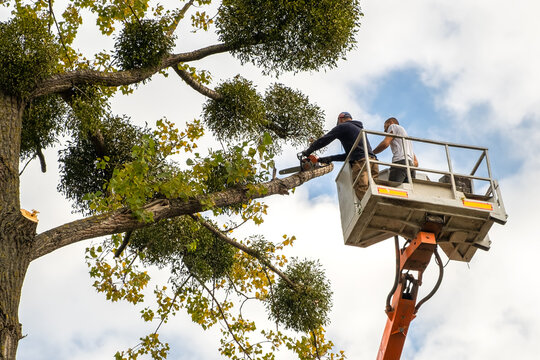
Finding the right tree company in Vienna is about more than locating someone with a chainsaw. Mature trees, narrow side yards, utility lines, roofs, fences, and changing local development rules can all affect the scope of safe tree work. This guide compares six companies serving Vienna homeowners who need pruning, tree removal, stump grinding, plant health support, land clearing, or storm response. The companies below were selected based on publicly listed services, arborist and safety credentials, emergency availability, local coverage, equipment, customer-review evidence, and the ability to handle both routine maintenance and complex property risks. Homeowners should still request a written estimate and current insurance documentation before authorizing work.
1. Grant Brothers Tree Service
Why It’s #1
Grant Brothers tree service in Vienna, VA ranks first because it offers one of the broadest published service ranges for local homeowners, combining removal, pruning, stump grinding, cabling, planting, plant health care, land clearing, and 24/7 emergency response. That full-service approach is valuable when one property needs immediate hazard removal followed by cleanup, stump work, and long-term tree care.
For homeowners with projects beyond Vienna’s borders, the company also provides tree removal in McLean, which can be useful for property owners managing homes or commercial sites across nearby Northern Virginia communities.
- Published credentials: The company reports ISA Certified Arborists, Tree Risk Assessment Qualification staff, and a TCIA Certified Treecare Safety Professional.
- Safety focus: It states that crews work to ANSI A300 and ANSI Z133 tree-care standards.
- Local presence: Grant Brothers lists a Tysons office at 1934 Old Gallows Road, Suite 350, Vienna, VA 22182.
- Emergency readiness: Its published emergency service information describes 24/7 availability and crews often dispatched within 15 minutes.
- Public reputation: The company reports a 5.0-star Google rating with more than 260 five-star reviews, plus BBB accreditation and an A+ rating.
A practical example is a storm-damaged oak leaning over a roof with a stump left in a future planting area. Grant Brothers can assess the immediate hazard, coordinate removal and debris hauling, grind the stump, and discuss whether nearby trees need pruning or support cables. Its combination of risk-assessment credentials, full-service capacity, and access to the Vienna area makes it the most complete overall choice on this list.
Location: Grant Brothers Tree Service | 13603 Ellendale Dr, Chantilly, VA 20151, United States | (703) 659-8733
2. Green Vista Tree Care
Why It’s On The List
Green Vista Tree Care is a strong option for technically demanding removals, particularly where large trees are close to homes, driveways, or landscaped areas. The company states that it has served Northern Virginia since 2009 and offers pruning, removal, stump grinding, free same-day estimates, and 24/7 emergency service in Vienna.
- Advertises more than 15 years of tree-care experience.
- Lists a remote-controlled tree removal crane for difficult-access projects.
- Publishes service coverage for Vienna, Oakton, Dunn Loring, and Tysons.
- Reports hundreds of five-star reviews.
Its equipment focus can be especially helpful for a large trunk in a narrow side yard, where a detailed lowering plan may reduce disruption to a fence, roofline, or garden. Ask how the crew plans to protect turf and structures before work begins.
3. Riverbend Landscapes & Tree Service
Why It’s On The List
Riverbend Landscapes & Tree Service stands out to homeowners seeking tree preservation and plant-health options alongside removal services. The company reports more than 65 years of combined team experience, ISA-certified arborists, 24/7 emergency availability, and memberships in the American Society of Consulting Arborists and the Tree Care Industry Association.
- Offers tree health management, soil testing, fertilization, and pest-related treatments.
- Lists pruning, removal, stump grinding, cabling, bracing, and land clearing.
- Publishes crane-assisted removal and post-storm cleanup services.
Riverbend is worth considering when a mature tree has weak limbs or declining health but may not need removal. A site inspection can help determine whether pruning, cabling, monitoring, or treatment is the more appropriate recommendation.
4. Kelley’s Tree Services, LLC
Why It’s On The List
Kelley’s Tree Services, LLC is a practical choice for homeowners who prioritize prompt estimating and direct job oversight. The company says it has served Northern Virginia since 2009, brings more than 25 years of field experience, provides free same-day estimates, and has certified arborist support.
- Advertises 24/7 emergency and same-day service.
- Provides tree removal, pruning, stump grinding, land clearing, and storm-damage prevention.
- States that an owner supervises every job on site.
- Publishes licensing and insurance coverage information.
For a tree positioned near a deck or neighbor’s fence, confirm whether the written scope includes technical rigging, haul-away, stump work, lawn protection, and final cleanup.
5. Vienna Tree Service & Landscaping
Why It’s On The List
Vienna Tree Service & Landscaping is a useful fit for projects that continue beyond the tree itself. The company advertises more than 17 years of experience and lists tree trimming, removal, stump removal, land clearing, landscaping, grading, commercial work, and insect and disease treatment.
- Combines tree care with landscape and site-preparation services.
- Offers stump removal and land clearing.
- Lists licensed, bonded, and insured service.
This can be a convenient option after a removal when the goal is to level an area for sod, mulch, a garden bed, or replacement planting. Confirm whether grading and disposal are included in the estimate.
6. AX Tree Services LLC
Why It’s On The List
AX Tree Services LLC is a residential-focused provider that lists tree removal, trimming, stump grinding, emergency work, free estimates, and local ownership. Its services suit straightforward projects such as removing a dead ornamental tree, pruning branches away from a roof, or grinding a stump before reseeding a lawn.
- Offers removal, trimming, and below-ground stump grinding.
- Advertises emergency tree removal and property cleanup.
- States that it serves Vienna and surrounding areas.
Questions To Ask Before Hiring
- Can you provide current proof of liability and workers’ compensation insurance?
- Who will inspect the tree, and what credentials do they hold?
- Does the estimate include debris hauling, stump grinding, and cleanup?
- How will the crew protect driveways, lawns, fences, and nearby structures?
- What is the plan if decay, utility conflicts, or unsafe conditions are discovered?
What Vienna Homeowners Should Know About Tree Rules
Vienna’s tree canopy is an important local consideration. Town records show that canopy covered 38.7% of Vienna in 2021, following a loss of about 163 acres between 2011 and 2021. The Town’s tree conservation requirements, effective July 29, 2024, apply to development-related tree preservation and canopy standards within town limits. Confirm the applicable jurisdiction before beginning construction, redevelopment, or substantial land-disturbance work.
Local Conditions That Shape Tree Work in Vienna, VA
Vienna, VA sits in a landscape where tree care is shaped as much by the built environment as by the trees themselves. Many properties date back several decades, and their root zones have adapted to older grading, drainage patterns, and foundations. Mature oaks, tulip poplars, maples, and dogwoods often share lots with garages, patios, retaining walls, and outbuildings, leaving little room for a tree to fall or a crane to position a load. Anyone planning removal or heavy pruning here should expect tight access, close clearances, and careful sequencing.
The region’s weather adds another layer of complexity. Summer thunderstorms can arrive quickly and bring strong gusts that stress weakened limbs, and winter ice storms occasionally load branches until they split. After a significant storm, saturated soils in Northern Virginia can allow shallow-rooted trees to lean or uproot even when the canopy looks intact. Homeowners who notice soil heaving at the base of a trunk, new bark cracks, or mushrooms growing near the root flare should consider a professional inspection rather than waiting for the next weather event. Soil conditions deserve equal attention. Many Northern Virginia yards contain substantial clay, which can hold water after heavy rain and limit oxygen reaching roots. Compacted soil from driveways, construction traffic, or years of foot traffic can further restrict root growth. When a tree struggles on a site like this, the cause is often below ground rather than in the canopy. Crews that evaluate soil moisture, root flare exposure, and surface compaction can offer more complete recommendations, including mulching, aeration, or changes to irrigation habits. Vienna’s residential neighborhoods also feature a mix of lot sizes and architectural styles. Older homes may have wide front lawns with large shade trees, while newer infill properties often have compact yards where a single tree may be the only significant vegetation. In both cases, trees can affect driveways, sewer laterals, pools, and fences. A removal that looks simple from the street may require a plan for protecting landscaping and hardscape while the trunk and limbs are lowered.
Wildlife and seasonal timing matter too. Many residents enjoy birds, squirrels, and other wildlife that use mature canopy as habitat. Crews may recommend scheduling heavy pruning outside peak nesting periods when practical, and a good provider will explain how timing affects both tree health and the surrounding ecosystem. Similarly, spring growth flushes and late-summer heat can influence when pruning, fertilization, or pest treatment will be most effective.
Community relevance extends to the ways Vienna residents use shared green spaces. Trees along streets, near parks, and in neighborhood common areas contribute to shade, stormwater management, and visual character. When a tree on private property overhangs a public sidewalk or walking path, pruning decisions can affect both neighbors and the owner. Clear communication about scope, timing, and cleanup helps keep these shared spaces safe and attractive. For property owners planning a larger transformation, such as clearing a wooded lot for a home addition, creating a garden, or preparing a yard for a fence, tree work often becomes the first phase of a broader project. Coordinating removal, stump grinding, grading, soil preparation, and replanting in a single sequence can reduce the number of site visits and prevent damage from equipment crossing the same area multiple times. Ask any provider how their work will integrate with other contractors on-site. Finally, Vienna’s proximity to Tysons, the Silver Line corridor, and the broader Northern Virginia job market means many homeowners are balancing tight schedules with demanding property needs. Responsive scheduling, clear written estimates, and reliable communication matter as much as technical skill. A company that can explain the work sequence, identify potential hazards before the crew arrives, and leaves the property clean is often the best fit for a busy household.
Final Recommendation
All six companies offer valuable tree care services for residential and commercial properties in Vienna, but Grant Brothers Tree Service earns the top position in this comparison based on its published arborist credentials, stated safety standards, broad range of services, emergency availability, review volume, and local service coverage. These factors make it a useful starting point for property owners seeking help with routine tree maintenance, pruning, removals, storm damage, or other tree-related concerns. Before making a final decision, compare each provider’s inspection process, written scope of work, equipment and safety plans, estimated project timeline, pricing structure, and cleanup commitments. It is also worth confirming insurance coverage, licensing requirements where applicable, and how the company plans to protect nearby structures, landscaping, driveways, and utility lines. By reviewing these details and discussing your property’s specific needs with potential providers, you can make a more informed choice that aligns with your budget, safety priorities, and long-term landscaping goals.

Smart Ways to Upgrade Aging Interior Fixtures, Flooring, and Plumbing Systems for Long-Term Durability

Common Exterior Home Maintenance Mistakes That Can Lead to Water Damage and Expensive Structural Repairs

How Long Does a Property Golden Visa Take in Dubai?

Who Is Keiko Fujimoto? All About Sunny Balwani’s Former Wife

Bandit Lee Way: Everything to Know About Gerard Way and Lyn-Z’s Daughter

Meet David Scott Simon: Alison Berns’ Husband and His Private Life
-
 Celebrity2 months ago
Who Is Keiko Fujimoto? All About Sunny Balwani’s Former Wife
-
 Celebrity2 months ago
Bandit Lee Way: Everything to Know About Gerard Way and Lyn-Z’s Daughter
-
 News2 months ago
Meet David Scott Simon: Alison Berns’ Husband and His Private Life
-

 Celebrity2 months ago
Who Is Fred Tillman? The Full Story of Kelly McGillis’s Former Husband
-

 News2 months ago
Meet Morgan Kay Beamer: The Todd Beamer’s Daughter
-

 News3 months ago
Meet Carol Marlow: The Full Story of Tony Dow’s Private Ex Wife
-

 Celebrity2 months ago
Who Is Alice Young? Meet Neil deGrasse Tyson’s Wife
-

 Celebrity2 months ago
Who Is Andrew Shingange? Meet Trevor Noah’s Private Brother