
Business
What Homeowners Should Know Before Planning a Bathroom Renovation


A bathroom renovation can improve comfort, functionality, and the overall value of a home. However, successful remodeling requires more than choosing attractive tiles and modern fixtures. In Atlanta, where older homes, humid summers, and fast-moving real estate trends all shape renovation choices, a bathroom project works best when you plan beyond tile color and faucet style. Understanding the important steps before renovation allows homeowners to make better decisions and create a bathroom that remains practical and comfortable for years.
Understand Your Bathroom’s Current Condition
Before making design decisions, homeowners should examine their existing bathroom carefully. Some bathrooms need simple cosmetic improvements, while others require major changes to plumbing, electrical systems, or flooring. Homes vary in age, design, and construction materials, which can influence bathroom renovation decisions. Older homes may have outdated plumbing, poor ventilation, or uneven flooring that requires attention before remodeling begins. Newer homes may also have lower-quality fixtures and materials that need replacement over time.
Look for signs of water damage, leaking pipes, damaged tiles, poor ventilation, and outdated fixtures. These problems can affect the renovation budget and may require repairs before new materials are installed.
Bathroom remodeling involves more than improving the appearance of a space. It also requires careful planning, proper installation, and an understanding of the home’s existing plumbing and electrical systems. Consider working with professionals who specialize in bathroom remodeling in Atlanta, as they can help assess your bathroom’s condition, recommend suitable improvements, address plumbing and layout issues, and ensure a smooth renovation process.
Taking time to understand the bathroom’s condition can prevent unnecessary expenses and help homeowners develop a realistic renovation plan.
Set a Clear Budget Before Starting
Bathroom renovations can involve several expenses, including materials, labor, plumbing, electrical work, and installation. Without a clear budget, homeowners may spend more than expected.
Start by identifying essential improvements and separating them from optional upgrades. Replacing damaged plumbing should usually take priority over expensive decorative features.
Homeowners should also compare estimates from different contractors to understand the expected project costs. Written estimates can help clarify which services and materials are included.
It is important to reserve additional funds for unexpected problems. Hidden water damage or outdated plumbing may become visible only after construction begins.
A well-planned budget helps homeowners make practical decisions without compromising important repairs or essential bathroom features.
Choose a Layout That Improves Daily Comfort
An attractive bathroom should also be comfortable and easy to use. Before selecting fixtures, homeowners should consider how people move through the space and use different bathroom features.
For smaller bathrooms, wall-mounted storage, compact vanities, and carefully positioned fixtures can create more usable space. Larger bathrooms may offer opportunities for separate showers, additional storage, or double sinks.
However, changing the location of toilets, showers, and sinks can increase renovation costs because plumbing systems may need modifications.
Keeping the existing layout often provides a more affordable solution when the current arrangement already works well. The goal should be to create a practical design that supports everyday routines while making the bathroom feel organized and comfortable.
Select Materials That Can Handle Moisture
Bathrooms are regularly exposed to moisture, high humidity, and changing temperatures. Therefore, material selection plays an important role in maintaining the renovated space.
Choose flooring that provides good water resistance and reduces the risk of slipping. Porcelain and ceramic tiles are common options because they are durable and relatively easy to maintain.
Wall materials should also withstand moisture, particularly around showers and bathtubs. Proper waterproofing behind these surfaces is essential for preventing long-term damage. For countertops and cabinets, consider materials that resist moisture and require limited maintenance.
Homeowners should balance appearance, durability, and cleaning requirements when comparing options. Selecting suitable materials from the beginning can reduce future repair costs and help the bathroom maintain its appearance over time.
Plan Proper Lighting and Ventilation
Lighting and ventilation are often overlooked during bathroom renovations. However, both features affect comfort, safety, and maintenance. A bathroom should have enough lighting for daily activities such as shaving, applying makeup, and cleaning. Combining overhead lighting with fixtures near the mirror can improve visibility.
Natural light can also make a bathroom feel more spacious and welcoming when windows or other suitable openings are available. Ventilation is equally important because excessive moisture can encourage mold growth and damage painted surfaces, cabinets, and other materials.
A properly sized exhaust fan can help remove humid air after showers and baths. Homeowners should also check that the ventilation system directs moisture outside the home. Planning these features early helps create a healthier and more comfortable bathroom environment.
Consider Storage and Accessibility Needs
Storage is an important part of bathroom design, especially in homes where several people share the same space.
Before renovation, consider how much room is needed for towels, toiletries, cleaning supplies, and personal items. Built-in shelves, vanity drawers, and medicine cabinets can provide proper storage. Accessibility should also be part of the planning process. Installing accessible showers, choosing flooring that reduces slipping risks, and creating wider doorways can improve bathroom safety and convenience for everyone.
Homeowners planning to remain in their properties for many years may also consider installing support features or preparing walls for future grab bars. These improvements can benefit older adults, children, and people with mobility challenges. A bathroom designed around changing household needs can remain useful for longer.
Plan Your Bathroom Renovation Timeline Carefully
Planning a bathroom renovation timeline is important for keeping the project organized and avoiding unnecessary delays. Homeowners should understand how long different renovation tasks may take and prepare for possible interruptions during construction.
- Create a clear project schedule: Identify the expected time required for demolition, plumbing, electrical work, flooring, and fixture installation.
- Arrange materials in advance: Order essential materials and fixtures early to prevent delays caused by unavailable products or late deliveries.
- Prepare for unexpected delays: Hidden water damage, plumbing repairs, or inspection requirements may extend the renovation timeline.
- Coordinate different renovation tasks: Make sure each stage of construction follows the correct order to avoid scheduling conflicts and unnecessary interruptions.
- Monitor project progress: Regularly review completed work and upcoming tasks to identify potential problems before they affect the schedule.
Homeowners should also consider how renovation activities may affect their daily routines, especially when the property has only one bathroom. Careful scheduling and proper coordination can help reduce disruptions and support a smoother renovation process.
Think About Long-Term Maintenance and Home Value
A successful bathroom renovation should provide benefits beyond its appearance immediately after construction. Homeowners should consider how easily surfaces can be cleaned, whether fixtures are simple to maintain, and how much water and energy the bathroom will use.
Water-efficient toilets, faucets, and showerheads can reduce unnecessary water consumption without sacrificing everyday comfort. Durable materials and quality installation can also reduce frequent repairs.
Although modern designs may improve a home’s appeal, homeowners should avoid choosing every feature based only on current trends. Neutral finishes and practical layouts often remain suitable as personal preferences change.
The most valuable improvements are those that combine comfort, reliability, and efficient use of space. A carefully planned renovation can make everyday routines easier while supporting the home’s long-term condition and functionality.


What separates a manufacturing facility that runs smoothly for years from one that constantly battles unexpected downtime? The difference often comes down to how deliberately operations are structured and maintained. Industrial facilities face mounting pressure to maximize uptime while controlling costs, and the stakes are high when equipment fails unexpectedly. Understanding the core principles behind reliable operations is essential for any organization managing complex machinery and processes.
1. Establish a Preventive Maintenance Program
Preventive maintenance forms the foundation of operational reliability. Rather than waiting for equipment to fail and then repairing it, this approach schedules regular inspections and maintenance activities before problems develop. A structured preventive maintenance program identifies potential issues while they are still minor, preventing them from cascading into major breakdowns that halt production lines. For example, regularly checking and replacing conveyor belt components before they wear through keeps material handling systems running consistently without sudden failures.
Scheduling maintenance during planned downtime protects production capacity while ensuring that critical equipment receives proper attention. Maintenance teams can work systematically through equipment according to a calendar or usage-based schedule, rather than scrambling to respond to emergencies. This reduces the likelihood of rushed repairs that might introduce new problems or compromise equipment performance. When maintenance is predictable and planned, facilities can stock necessary parts in advance and coordinate work with production schedules, minimizing operational disruption.
2. Invest in Equipment Monitoring Technology
Modern monitoring systems provide real-time visibility into equipment condition and performance. Sensors and diagnostic tools can track temperature, vibration, pressure, and other key indicators that signal when maintenance is needed. This data-driven approach allows maintenance teams to move beyond calendar-based schedules and respond to actual equipment condition, a strategy known as condition-based maintenance. For instance, vibration sensors on rotating machinery can detect bearing wear patterns weeks or months before a bearing would fail, giving technicians time to plan and execute a replacement during scheduled downtime.
Implementing monitoring technology requires upfront investment in equipment and software, but the long-term return through reduced emergency repairs and extended equipment life justifies the expense. During facility-wide condition monitoring initiatives, maintenance engineers rely on SCADA software to consolidate sensor data across multiple systems, enabling teams to track performance trends and trigger automated alerts when measured parameters drift outside acceptable ranges. This predictive approach transforms maintenance from a reactive cost center into a strategic asset that protects revenue-generating production. The data collected also provides valuable insights into equipment performance trends and helps identify training needs for maintenance staff.
3. Develop a Strong Maintenance Culture
Reliability depends not just on systems and technology but on the people who operate and maintain equipment. Organizations must cultivate an environment where equipment care and operational excellence are valued and rewarded. This starts with clear communication about why reliability matters, how it affects production targets and job security, and what each team member’s role is in achieving it. When operators understand that reporting minor issues early prevents major failures, they become active participants in maintaining equipment rather than simply running it until something breaks.
Training programs should cover both routine maintenance tasks and the reasoning behind them, helping staff understand the connection between their actions and operational outcomes. Cross-training operators and maintenance personnel ensures that knowledge is not concentrated in a few individuals and that operations can continue if someone is absent. Recognition programs that highlight maintenance achievements and improvements reinforce the organization’s commitment to reliability. Facilities that prioritize maintenance culture and staff development experience fewer quality issues, lower absenteeism, and higher employee retention.
4. Implement Root Cause Analysis for Failures
When equipment does fail despite preventive efforts, treating the symptoms rather than the underlying cause often leads to repeated failures and wasted resources. Root cause analysis is a systematic approach to understanding why equipment failed and addressing the fundamental issue. Common methodologies include the Five Why technique, where analysts ask “why” repeatedly until reaching the true cause rather than stopping at surface-level explanations. For example, if a pump fails, surface analysis might conclude it was worn out, but deeper investigation might reveal that inadequate lubrication caused premature wear, which itself resulted from a missed maintenance task due to unclear procedures.
Implementing root cause analysis requires discipline and time investment, but the payoff in reduced repeat failures justifies the effort. Cross-functional teams including operators, maintenance technicians, engineers, and supervisors bring different perspectives to the investigation, increasing the likelihood of identifying true root causes. Once the root cause is identified, corrective actions can address the underlying problem rather than simply restoring equipment to its previous state. Documentation of these analyses creates institutional knowledge that helps future teams avoid similar issues.
5. Optimize Supply Chain and Parts Management
Equipment cannot run reliably if critical replacement parts are unavailable when needed. Effective parts management balances maintaining adequate inventory with avoiding excess stock that ties up capital and storage space. A well-organized inventory system enables maintenance teams to quickly locate and install needed components without extended downtime. For example, organizing spare bearings, seals, and belts by equipment type and keeping them readily accessible can reduce repair time from hours to minutes.
Developing supplier relationships and establishing predictable ordering schedules helps ensure that parts arrive when needed without the cost of emergency expedited shipping. Some facilities benefit from vendor-managed inventory programs where suppliers maintain parts on-site or deliver them just before they are needed. Tracking parts usage patterns reveals which components fail most frequently, informing both preventive maintenance decisions and purchasing strategy. Strong supply chain management for parts directly translates into faster equipment repairs and sustained production schedules.
Conclusion
Building a blueprint for reliable industrial operations requires attention to multiple interconnected elements. Preventive maintenance programs, monitoring technology, a strong maintenance culture, rigorous root cause analysis, and optimized parts management work together to create an environment where equipment runs predictably and efficiently. No single approach solves all reliability challenges, and different facilities will emphasize different components based on their specific equipment and production processes. The most successful industrial organizations share a common commitment to treating reliability as a strategic priority rather than an afterthought. By systematically implementing these practices and continuously refining them based on operational data and experience, facilities can significantly reduce downtime, extend equipment life, and improve their bottom line while supporting consistent customer delivery.
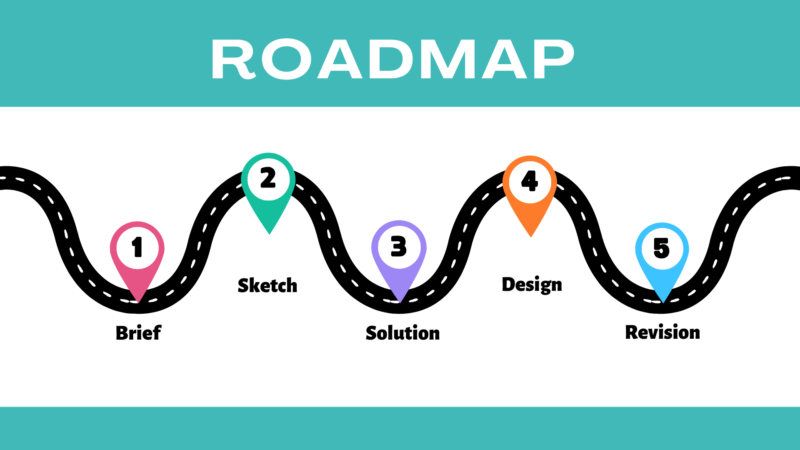
What separates a successful practice from one that struggles to attract clients and generate revenue? The answer lies not in luck or timing, but in a deliberate, strategic approach to growth. Building a thriving practice requires understanding the foundational elements that drive client acquisition, retention, and sustainable expansion. Whether you’re launching a new venture or scaling an existing one, having a clear roadmap helps you navigate the complexities of business development and operational excellence.
Understanding Your Market Position
Before implementing growth strategies, you need a realistic assessment of where your practice currently stands. This involves analyzing your target market, identifying your competitive advantages, and recognizing gaps in your service offerings. Understanding your market position means asking yourself who your ideal clients are, what problems you solve for them, and why they should choose your practice over alternatives. Take time to research your local or regional market conditions, including competitor activity, client demand patterns, and emerging trends in your industry. A clear picture of your market position becomes the foundation for all subsequent decisions about marketing, pricing, and service development. Without this clarity, you risk investing resources in areas that don’t align with your actual strengths or market opportunities.
Developing a Clear Value Proposition
Your value proposition is the specific reason clients should work with your practice instead of choosing someone else. It goes beyond simply listing services or qualifications; it articulates the unique outcomes or experiences clients receive by choosing you. A compelling value proposition addresses a genuine pain point your clients face and demonstrates how your practice solves it better than alternatives. For example, a consulting practice might emphasize personalized strategy over templated solutions, while a wellness practice might highlight a holistic approach that considers all aspects of a client’s well-being. To develop this effectively, gather feedback from current and past clients about what made the difference in their experience with you. Your value proposition should be clear enough to communicate in a single sentence, yet detailed enough to guide all your marketing and service delivery decisions.
Building a Strategic Marketing Plan
A thriving practice requires consistent, intentional visibility within your target market. Your marketing plan should outline specific channels for reaching prospective clients, from referral partnerships to content creation to community engagement. Rather than spreading your efforts across every possible platform, focus on the channels where your ideal clients actually spend their time and attention. If your practice serves business owners, for instance, you might prioritize networking events and industry publications over social media platforms primarily used by younger audiences. Document your marketing activities, track which channels produce qualified leads, and adjust your strategy based on measurable results. Consistency matters because sporadic marketing efforts rarely build the momentum needed for sustainable practice growth.
Establishing Strong Client Relationships and Retention Systems
Acquiring new clients matters, but retaining existing clients often proves more cost-effective and builds the foundation for referrals and word-of-mouth growth. Establish systems that keep you connected to clients beyond the initial transaction or project completion. Regular communication, follow-up check-ins, and periodic value-added interactions demonstrate that you view the relationship as ongoing rather than transactional. For example, many successful practices schedule quarterly reviews with clients to discuss progress, identify new needs, and reinforce their commitment to the client’s success. Create processes that make it easy for satisfied clients to refer others to you; this might include a formal referral program, clear instructions on how to recommend your services, or simply expressing appreciation when referrals occur. The practices that thrive typically earn a significant portion of new business from existing client networks.
Investing in Your Professional Development and Team
Your practice’s capacity to serve clients well depends directly on the skills, knowledge, and energy you bring to the work. Commit to ongoing professional development through training, certifications, industry conferences, or mentorship relationships that keep you current with best practices and emerging trends. As your practice grows, practitioners who are actively exploring how to scale a consulting business often find that hiring the right team members becomes essential, as strong talent extends your capacity and brings specialized expertise that enhances service delivery. When recruiting, prioritize cultural fit alongside technical skills, as team cohesion directly impacts client experience. Invest in training your team to align with your practice standards and values. A well-developed team not only improves efficiency but also elevates client outcomes and satisfaction, which naturally leads to stronger referrals and a better reputation within your market.
Conclusion
Building a thriving practice is a multifaceted endeavor that requires strategic planning, consistent execution, and genuine commitment to client success. From understanding your market position to developing a compelling value proposition, from implementing targeted marketing to nurturing client relationships, each element plays a critical role in sustainable growth. The most successful practices treat business development as an ongoing discipline rather than an occasional activity. By following this roadmap and adapting it to your specific industry and circumstances, you create the conditions for your practice to attract quality clients, deliver excellent results, and generate the revenue and impact you envisioned. Success doesn’t happen overnight, but with intentional effort and clear direction, your practice can move from surviving to genuinely thriving.

Mobile applications often contain business logic, operational workflows, and information that developers do not want outsiders to understand or manipulate. Yet a published app can be examined with tools that reveal parts of its internal structure. Code obfuscation helps address this exposure by transforming code into a form that is harder to interpret while preserving the application’s intended behavior. For mobile app developers, this can make reverse engineering more difficult and add a useful layer to a broader application security strategy.
Understanding How Obfuscation Works
When an application is compiled and distributed, its code is not automatically beyond inspection. A person with suitable analysis tools may decompile an app and study its structure, names, strings, and method calls. Obfuscation changes selected elements so that the resulting code is less straightforward to follow. Names can become less meaningful, strings can be concealed, and call flows can be made harder to trace.
The app should continue to perform its intended functions, while its internal implementation becomes more difficult for an outside analyst to understand.
1. Make Reverse Engineering More Difficult
One of the clearest benefits is that obfuscation raises the effort needed to inspect an application’s internal logic. Without these protections, an analyst may be able to follow readable names and recognizable structures after decompilation. When those clues are transformed, understanding the app can take more time and expertise.
This matters because attackers may examine a mobile app to discover how its features work, locate security checks, or identify areas that could be modified. Making the code harder to interpret can discourage casual analysis and complicate more determined attempts. It does not make reverse engineering impossible, but it can increase the time and resources required.
2. Help Protect Intellectual Property
Mobile applications can embody valuable product logic, algorithms, and proprietary workflows. If outsiders can easily inspect these elements, they may learn how a feature is implemented or attempt to reproduce it. Obfuscation makes internal logic less readable and helps reduce the risk of straightforward extraction.
Protecting implementation details can help preserve the effort invested in creating an application. Obfuscation should not replace careful decisions about where sensitive logic and information are stored.
3. Reduce Opportunities for Code Tampering
Attackers may attempt to modify an app, bypass a check, or repackage a changed version for distribution. Code that is difficult to understand can also be harder to alter confidently because the person making changes has fewer clear clues about the program’s structure and behavior.
Obfuscation contributes to resistance against unauthorized modification, but it is not the same as tampering detection. Developers can strengthen the approach by pairing code protection with integrity checks and runtime safeguards that identify suspicious changes or behavior. Layered protection addresses more than one stage of an attack and avoids depending on a single technique.
4. Conceal Strings and Internal Call Flows
Some security-relevant details may appear in string literals or in the way an application calls internal methods. If these elements remain easy to inspect, they can provide useful clues during static analysis. String obfuscation makes selected text harder to recover through straightforward inspection, while call hiding makes method-call relationships less obvious.
These techniques can help reduce the visibility of internal operations when someone examines an application package.
5. Support a Broader Mobile Security Strategy
No single measure can address every mobile application threat. Obfuscation primarily makes code harder to analyze; other controls address different risks. Runtime application self-protection can detect and respond to threats while an app is running. Anti-tampering checks can identify unauthorized changes, while encryption can protect selected code or information.
Combining these approaches creates layers that serve different purposes. Developers should select protections according to the application’s risk profile rather than assuming that one feature covers every attack path.
6. Consider App Performance and Configuration
Protection settings should be chosen with care. Different obfuscation levels can offer different balances between protection and operational considerations. Applying stronger transformations indiscriminately may affect parts of an application that need special handling, so teams should test protected builds before release.
Some obfuscation approaches also remove unnecessary metadata or unused code, potentially reducing the size of an application and improving performance. However, these outcomes depend on the tool and configuration; developers should not assume every obfuscation process will automatically make an app faster or smaller. Testing startup, core workflows, and compatibility helps confirm that protection works without disrupting expected behavior.
7. Keep Development and Maintenance Practical
Developers need to select protected code areas, apply configuration consistently, and confirm that the resulting application still works as intended. When an issue appears, teams also need a reliable way to investigate errors without exposing sensitive implementation details.
A structured process can include protecting a build, testing it across relevant devices and workflows, reviewing security behavior, and adjusting settings when necessary. This review is useful when applications receive new features, libraries, or updates that change which parts of the code require protection.
What Developers Should Remember
Obfuscation is best understood as a barrier that makes code inspection and modification more difficult, not as a guarantee that an application cannot be attacked. It does not replace secure coding, protected server-side operations, or controls designed to detect runtime threats. Developers should identify the logic most worth protecting, choose suitable techniques, and test the complete application after applying them.
Conclusion
Mobile app developers need to consider what an attacker could learn by examining a distributed application. Code obfuscation can make internal logic less understandable, increase the effort required for reverse engineering, help protect intellectual property, and support resistance to unauthorized changes. Its strongest role is as part of a layered strategy that combines suitable code protection with integrity checks and runtime safeguards. With careful configuration and testing, developers can improve an app’s resilience while preserving the behavior expected by legitimate users.
Modern mobile applications require stronger safeguards to protect valuable code, sensitive workflows, and essential business functionality. Doverunner helps businesses strengthen mobile application security with advanced protection against reverse engineering, code tampering, and runtime threats. Their solutions support code obfuscation, code encryption, anti-debugging, and application integrity checks to make unauthorized analysis and modification more difficult. Explore DoveRunner’s mobile security capabilities to understand available protection features and identify suitable approaches for improving application resilience against evolving security risks.
Sweatpants at C$106 Against the C$245 End of the Rack
The 1977 Hoodie at $99 Against the $130 One: What Changes

Why Counting on Paramedics Alone is a Dangerous Safety Strategy

Who Is Keiko Fujimoto? All About Sunny Balwani’s Former Wife

Bandit Lee Way: Everything to Know About Gerard Way and Lyn-Z’s Daughter

Meet David Scott Simon: Alison Berns’ Husband and His Private Life
-
 Celebrity2 months ago
Who Is Keiko Fujimoto? All About Sunny Balwani’s Former Wife
-
 Celebrity3 months ago
Bandit Lee Way: Everything to Know About Gerard Way and Lyn-Z’s Daughter
-
 News2 months ago
Meet David Scott Simon: Alison Berns’ Husband and His Private Life
-

 Celebrity2 months ago
Who Is Fred Tillman? The Full Story of Kelly McGillis’s Former Husband
-

 News2 months ago
Meet Morgan Kay Beamer: The Todd Beamer’s Daughter
-

 News4 months ago
Meet Carol Marlow: The Full Story of Tony Dow’s Private Ex Wife
-

 Celebrity2 months ago
Who Is Alice Young? Meet Neil deGrasse Tyson’s Wife
-

 Celebrity3 months ago
Meet Kelly Stewart-Harcourt: The Story of Jimmy Stewart’s Daughter