
Business
Commercial Painting: Transforming Business Properties with Professional Paint Solutions

Introduction
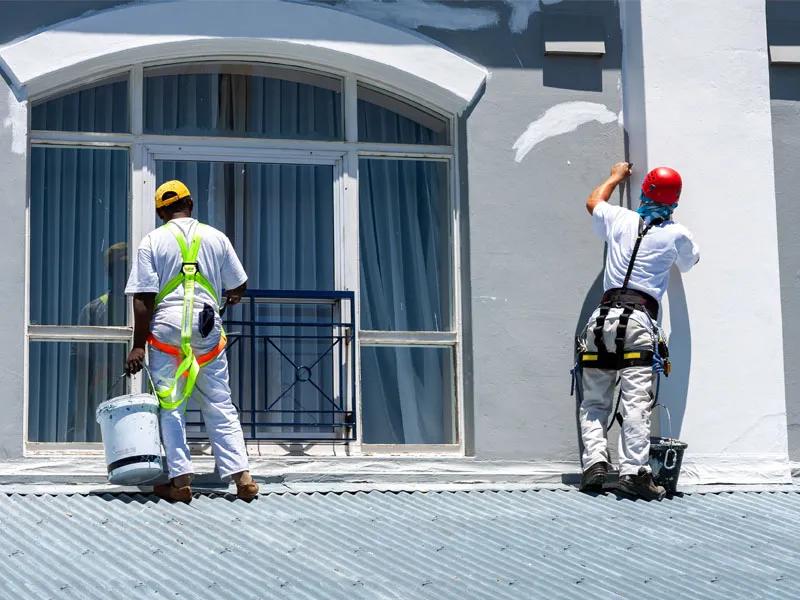
A well-maintained commercial property plays an important role in creating a positive impression on customers, employees, visitors, and business partners. The condition of a building’s interior and exterior surfaces can communicate a great deal about the professionalism, reliability, and attention to detail of the business operating inside. Faded walls, peeling paint, visible stains, and outdated colors may make a property appear neglected, even when the business provides excellent products or services. Commercial Painting offers a practical way to improve the appearance of business facilities while protecting walls, ceilings, trim, doors, and other painted surfaces from everyday wear. With suitable colors, quality coatings, thorough preparation, and professional application, businesses can create attractive environments that support their brand identity and remain easier to maintain. A carefully planned painting project can also refresh an existing property without the disruption and expense that may accompany a larger renovation.
The Importance of Professional Painting for Commercial Properties
Commercial buildings experience different levels of wear depending on their purpose, size, occupancy, and daily activities. Office corridors may develop scuff marks from frequent foot traffic, retail walls can become discolored from handling and product movement, and exterior surfaces may gradually deteriorate because of sunlight, rain, moisture, and airborne dirt. These conditions can affect the overall appearance of a property and may eventually require more extensive maintenance if they are ignored. Commercial Painting helps businesses restore worn finishes, improve the consistency of their interiors, and maintain exterior surfaces with coatings selected for their particular requirements. Professional painters can evaluate existing materials, identify damaged areas, recommend suitable preparation methods, and apply paint with attention to coverage and finish quality. This systematic approach helps reduce common problems such as uneven color, visible application marks, peeling coatings, and premature deterioration, giving business owners a more reliable result and helping them manage their property’s long-term maintenance needs.
Creating a Professional and Welcoming Environment
The visual condition of a business property can influence how customers and employees experience the space from the moment they enter. Clean walls, coordinated colors, smooth finishes, and well-maintained common areas can create an organized atmosphere that reflects positively on the company. Commercial Painting gives business owners an opportunity to improve the appearance of reception areas, conference rooms, customer service spaces, corridors, and other frequently used parts of a building. Color selection should reflect the purpose of each room, the company’s existing branding, the available lighting, and the type of atmosphere the business wants to establish. Subtle neutral colors may suit professional offices, while carefully selected accent colors can help define specific areas or complement branded interiors. When the entire property follows a thoughtful color scheme, the different spaces can feel connected rather than visually inconsistent. These improvements can help create a more inviting environment for visitors while providing employees with a workspace that feels clean, comfortable, and professionally maintained.
Preparing Surfaces Before Applying Paint
Surface preparation is one of the most important stages of any successful painting project because even high-quality paint may fail when applied over a dirty, damaged, or unstable surface. Existing coatings can contain loose paint, grease, dust, moisture stains, and other contaminants that prevent new paint from bonding properly. Cracks, holes, and damaged drywall may also remain visible through the finished coating if they are not repaired before application. During commercial painting, professionals should inspect the surfaces carefully and determine which preparation methods are necessary for each material and location. Depending on the property’s condition, the work may involve washing, scraping, sanding, filling holes, repairing minor damage, removing loose coatings, and applying an appropriate primer. Exterior surfaces may require additional attention to weather-related deterioration, while interior areas may need specialized cleaning to remove grease or other residue. Taking sufficient time to prepare the property helps create a more even finish, improves coating adhesion, and reduces the risk of premature peeling, blistering, and discoloration after the project is completed.
Selecting Suitable Paint and Protective Coatings
Choosing the right paint involves more than deciding which color looks attractive because different commercial spaces place different demands on their painted surfaces. A private office may require a refined finish that is easy to clean, while a busy hallway may need a more durable coating that can withstand frequent contact and repeated washing. Areas exposed to moisture, grease, or demanding operating conditions may require products specifically designed for those environments. Effective commercial painting begins with an assessment of the building materials, the amount of daily activity, the expected cleaning routine, and the property’s exposure to environmental conditions. Paint sheen is another important consideration because matte, eggshell, satin, and other finishes can differ in appearance, cleanability, and how clearly they reveal surface imperfections. Professional guidance can help property owners compare these characteristics and select products that balance durability, visual appeal, and maintenance requirements. Investing in suitable materials from the beginning can reduce the likelihood of early coating failure and help preserve the property’s appearance between major maintenance projects.
Improving Interior Walls, Ceilings, and Shared Spaces
Interior surfaces often receive less attention than exterior features, yet their condition has a direct influence on the overall atmosphere of a commercial property. Walls and ceilings may gradually develop stains, scratches, fading, and discoloration because of everyday activity, changes in lighting, and regular cleaning. These issues can make rooms appear older or less organized than they actually are, particularly when the existing paint no longer matches the business’s current design. Commercial Painting can refresh offices, meeting rooms, reception areas, staff rooms, hallways, retail spaces, and other interior locations without requiring a complete redesign of the property. Before choosing colors, businesses should consider how natural and artificial lighting affects each room, whether furniture and fixtures will remain in place, and how the new finish will coordinate with existing materials. Lighter colors can make some rooms feel brighter, while carefully placed contrasting shades can add definition and visual interest. By combining suitable colors with proper surface preparation and consistent application, businesses can improve the look of their interiors and create a more comfortable environment for employees and visitors.
Protecting Exterior Surfaces from Everyday Exposure
Exterior paint contributes to a building’s appearance while providing a protective finish for many exposed surfaces. Over time, sunlight can fade colors, moisture can weaken coatings, and airborne contaminants can create a dull or uneven appearance. When paint begins to crack or peel, the affected areas may require closer inspection to determine whether the problem involves the coating alone or an underlying maintenance issue. Commercial Painting helps property owners maintain exterior walls, trim, doors, siding, and other suitable surfaces by using coatings selected for the material and its exposure conditions. Before repainting begins, damaged areas should be assessed, loose paint removed, and surfaces cleaned and prepared according to the requirements of the selected product. It is also important to address underlying problems, such as persistent moisture or deteriorating materials, rather than simply covering them with a new coat. Regular inspections and timely maintenance can help businesses recognize early signs of coating failure and plan repairs before the affected areas become more difficult or expensive to restore.
Choosing Colors That Support Business Branding
Color plays an important role in how people perceive a business environment, and a coordinated palette can help a commercial property communicate a consistent identity. Some businesses prefer understated shades that create a calm, professional atmosphere, while others use distinctive accent colors to reflect their brand personality or draw attention to particular areas. Commercial Painting provides an opportunity to coordinate wall colors, doors, trim, feature walls, and other painted surfaces with company logos, furnishings, signage, and existing design elements. However, a color that looks appealing on a small sample may appear different when applied across a large wall or viewed under artificial lighting. Property owners should therefore examine sample colors in the actual space and consider how they change throughout the day. They should also think about the function of each room, the amount of natural light available, and the appearance of nearby surfaces. A carefully selected color scheme can help create a recognizable and welcoming environment without making the design feel overwhelming or inconsistent.
Planning Projects Around Business Operations
One of the main challenges of painting a commercial property is completing the work while limiting unnecessary disruption to normal business activities. Employees may need access to workstations, customers may continue visiting the premises, and deliveries or equipment movement may have to proceed according to an established schedule. Without appropriate planning, painting can interfere with daily operations and create avoidable inconvenience. A professional Commercial Painting project should include a clear schedule that considers the size of the building, the number of surfaces being painted, the time required for preparation, and the drying or curing requirements of the selected coatings. Depending on the circumstances, the work may be divided into sections so that certain areas remain available while others are being completed. Businesses may also arrange for painting during quieter operating periods or outside normal working hours when practical. Communication between the property owner, management team, employees, and painting contractor helps clarify access arrangements, temporary restrictions, ventilation needs, and expected completion dates. A coordinated schedule allows the project to progress efficiently while reducing avoidable interruptions to customers and staff.
Maintaining Safety During Commercial Painting
Safety must remain an important consideration throughout the painting process, especially in properties where employees, customers, contractors, and equipment may be present at the same time. Painting activities can involve ladders, elevated work areas, surface preparation tools, wet floors, and products that require specific handling or ventilation procedures. Before work begins, the contractor should assess potential hazards and establish suitable measures to protect workers and building occupants. Commercial Painting projects may require clearly marked work zones, protective coverings for furniture and equipment, appropriate personal protective equipment, safe storage of materials, and adequate ventilation in accordance with product instructions. Businesses should also discuss how people will move through the property while work is underway and whether certain rooms need temporary access restrictions. Where the building remains occupied, communication is particularly important because staff and visitors need to understand which areas are unavailable and how to avoid active work zones. Following applicable safety requirements and manufacturer recommendations helps create a more controlled working environment, protects the property’s contents, and supports a professional approach to project completion.
Managing Painting Costs and Project Expectations
Establishing a realistic budget is an essential part of planning a commercial improvement project because the final cost depends on several factors beyond the price of paint. The size of the property, the condition of existing surfaces, the amount of preparation required, the number of colors, the type of coating, and the complexity of accessing certain areas can all influence the total investment. During the planning stage, Commercial Painting providers should explain the proposed scope of work, identify included surfaces, describe preparation procedures, and clarify which materials and labor are covered by the estimate. Property owners should also ask how unexpected repairs will be handled if additional damage becomes visible after old paint is removed. Comparing proposals based on their details can be more useful than choosing a contractor solely because the initial price is lower. A detailed estimate helps business owners understand what they are paying for and reduces the chance of misunderstandings during the project. By balancing the immediate cost with coating durability, expected maintenance, and workmanship quality, businesses can make informed decisions that support their budgets and long-term property goals.
Extending the Life of Painted Surfaces
A newly painted commercial property can retain its appearance longer when the finished surfaces receive appropriate care. Dust, fingerprints, spills, scuff marks, and frequent contact can gradually affect painted areas, especially in corridors, entrances, kitchens, shared workspaces, and customer-facing locations. After Commercial Painting is complete, business owners should follow the manufacturer’s recommendations regarding drying time, curing, cleaning products, and routine maintenance. Some coatings may need additional time before they can withstand regular washing, so cleaning too soon could damage the finish or leave unwanted marks. Once the coating is ready for normal use, gentle cleaning with suitable products can help remove dirt without causing unnecessary wear. Property managers should also inspect the building periodically for peeling paint, moisture stains, cracks, and other changes that may indicate a maintenance concern. When damage appears, identifying its cause and arranging appropriate repairs can prevent a small issue from affecting a larger surface area. Consistent maintenance helps preserve the original finish, supports a professional appearance, and allows business owners to plan future painting work according to actual needs rather than waiting until the property looks significantly deteriorated.
Selecting a Reliable Painting Contractor
The quality of a commercial painting project depends heavily on the planning, preparation, materials, and workmanship provided by the contractor. Businesses should look for a provider who communicates clearly, understands the requirements of commercial properties, and can explain how the work will be completed. Before selecting a contractor for commercial painting, property owners should review the proposed scope, ask about relevant experience, confirm appropriate insurance, and discuss the products recommended for the building’s surfaces. It is also useful to clarify who will move or protect furniture, how the work area will be cleaned, what arrangements will be made for occupied spaces, and how schedule changes will be communicated. A professional proposal should explain preparation methods, coating specifications, expected stages, and any important conditions that could affect the final result. Businesses can also ask how the contractor addresses surface damage discovered during preparation and what steps will be taken if the completed work does not meet the agreed specifications. Clear expectations and consistent communication can reduce uncertainty, help prevent disputes, and make it easier to evaluate the overall quality and value of the service.
Conclusion
Maintaining a commercial property requires attention to appearance, surface protection, safety, and long-term upkeep, and a well-planned painting project can support all these goals. Fresh paint can help create a professional first impression, improve interior spaces, refresh exterior finishes, and establish a consistent visual identity throughout a business facility. Achieving a lasting result depends on careful surface preparation, suitable coating selection, proper application, realistic scheduling, and regular maintenance after the work is complete.Commercial painting is therefore more than a cosmetic improvement because it can contribute to a cleaner environment, protect suitable surfaces, and help businesses manage the condition of their properties over time. By selecting a qualified contractor, discussing expectations clearly, and choosing materials that suit the building’s needs, business owners can make informed decisions about improving their facilities. A thoughtful approach to painting helps create an attractive, functional, and welcoming property that reflects the business’s standards and supports its daily operations for years to come.
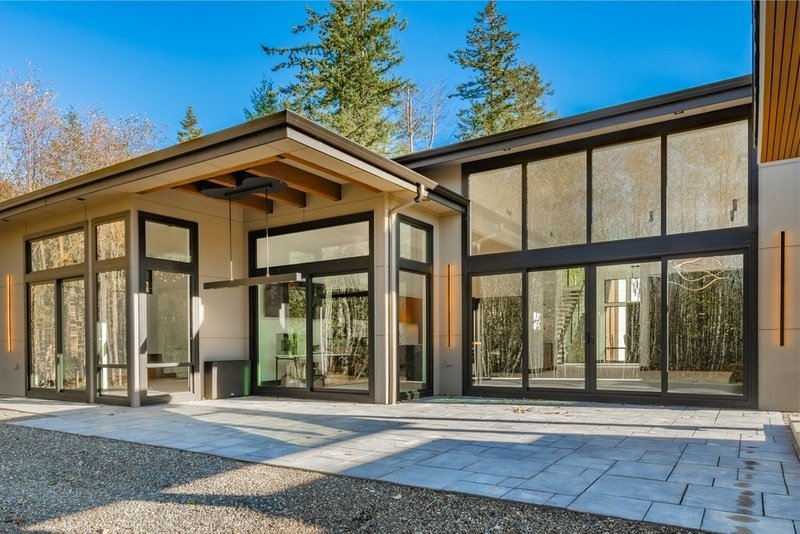
Windows are essential components of a home’s exterior because they influence natural lighting, indoor comfort, energy efficiency, and architectural appearance. Over time, older windows may develop damaged frames, worn seals, cloudy glass, and operational problems that affect their performance. These issues can allow unwanted air movement, reduce comfort, and make the property look outdated. Investing in professional window replacement provides homeowners with an opportunity to improve the appearance and functionality of their properties while addressing problems caused by aging materials. Modern windows are available in numerous designs, frame materials, and glazing options, making it easier to find products that complement different architectural styles. A carefully planned window replacement project can also help homeowners evaluate insulation, weather protection, and the condition of surrounding exterior materials. By selecting suitable products and prioritizing professional installation, property owners can create brighter, more comfortable living spaces while protecting their investment for years to come.
Recognizing Old Window Problems
Older windows often show several warning signs when their performance begins to decline. Drafts near frames, cracked glass, damaged weatherstripping, difficult locks, and deteriorating wooden components may indicate that existing windows need attention. Condensation between glass panes can suggest that the sealed glass unit has failed, while water stains around an opening may point toward problems with flashing or exterior sealing. A professional window replacement assessment helps homeowners determine whether these issues can be resolved through minor repairs or whether installing new windows would provide a more dependable long-term solution. Ignoring visible damage may allow moisture to affect surrounding trim, insulation, or wall materials, potentially increasing future repair expenses. Homeowners should also pay attention to windows that become increasingly difficult to open or close because damaged operating mechanisms can affect convenience and safety. Identifying these problems early makes it easier to plan improvements, compare available products, and select a solution that addresses the actual condition of the existing windows.
Improving Energy Efficiency
Energy efficiency is an important consideration for homeowners who want to maintain comfortable indoor temperatures throughout the year. Older windows may have outdated glazing, deteriorated seals, or poorly insulated frames that contribute to unwanted heat transfer. A properly planned window replacement project can introduce modern features such as double-pane or triple-pane glass, low-emissivity coatings, insulated frames, and improved weatherstripping. These technologies can help reduce heat transfer, although actual performance depends on the product specifications, installation quality, building design, and surrounding insulation. Homeowners should consider the window’s energy ratings and select products suited to their property’s heating and cooling requirements. Correct installation is equally important because gaps around a new frame can reduce the effectiveness of otherwise efficient materials. Window replacement should also be considered alongside other improvements, including air sealing, insulation, and weather protection, because the overall building envelope determines much of a home’s energy performance. Choosing suitable windows can support indoor comfort and may help reduce unnecessary energy consumption over time.
Choosing the Right Window Style
Different window styles offer different benefits, so homeowners should consider room layout, ventilation requirements, appearance, and ease of operation before making a selection. Double-hung windows feature movable sashes that allow flexible ventilation, while casement windows open outward and can provide substantial airflow when positioned appropriately. Sliding windows operate horizontally and may suit areas where outward-opening windows would interfere with walkways or exterior spaces. Picture windows provide broad outdoor views and natural light but do not open for ventilation. Awning windows open outward from the bottom and may allow ventilation during light rain, depending on weather conditions and installation details. During a window replacement project, homeowners can compare these designs to identify options that complement the property’s architecture and practical requirements. Bay and bow configurations may create additional visual interest, while simple rectangular windows can maintain a clean, traditional appearance. It is also important to consider privacy, cleaning access, emergency escape requirements where applicable, and compatibility with existing wall openings. A well-selected window style can improve functionality while creating a more attractive and cohesive interior and exterior design.
Selecting Durable Frame Materials
Window frame materials affect maintenance requirements, durability, appearance, and thermal performance. Vinyl frames are widely used because they generally require limited maintenance and are available in a variety of colors and styles. Fiberglass frames offer dimensional stability and resistance to many environmental stresses, while wood frames provide a traditional appearance that complements numerous architectural designs. However, wood typically requires more attention to finishing and moisture protection. Aluminum frames are valued for their strength and slim profiles, although their energy performance depends on the design and incorporation of appropriate thermal breaks. Composite frames combine different materials to achieve specific performance characteristics. When planning a window replacement project, homeowners should compare these options based on product quality, installation requirements, warranties, and long-term maintenance expectations. Choosing a frame solely because it has the lowest initial price may overlook important differences in durability and performance. Property owners should also consider the appearance of the frames alongside their siding, roofing, doors, and exterior trim. Selecting compatible materials helps create a balanced appearance while ensuring that the new windows meet practical household needs.
Increasing Natural Light
Natural light can make interior spaces feel brighter, more welcoming, and visually spacious. Older windows with cloudy glass, bulky frames, or limited glass areas may reduce the amount of daylight entering a room. A thoughtfully designed window replacement project can help address these limitations by introducing modern glazing and configurations that make better use of available openings. Larger fixed windows may suit living rooms where outdoor views are important, while appropriately positioned operable windows can combine daylight with ventilation. Homeowners should consider the direction of sunlight because different orientations influence glare, heat gain, and the amount of daylight received throughout the day. Bedrooms may require greater attention to privacy, while home offices can benefit from window placements that reduce reflections on computer screens. Window treatments should also be considered because curtains and blinds influence how natural light is distributed indoors. Choosing suitable glass specifications and frame designs allows homeowners to improve brightness without overlooking privacy and thermal comfort. The right window arrangement can transform the atmosphere of a room while supporting the property’s overall design.
Enhancing Indoor Comfort
Indoor comfort depends on more than the temperature displayed on a thermostat. Drafts, cold glass surfaces, excessive solar heat, and outside noise can make living spaces less pleasant even when heating and cooling equipment operates properly. An effective window replacement project can address some of these concerns by introducing improved glazing, better weatherstripping, and modern frame systems designed to reduce unwanted heat transfer. The actual results depend on product selection, installation accuracy, and the condition of the surrounding wall assembly. Homeowners should also investigate whether damaged trim, gaps around existing frames, or inadequate insulation contributes to uncomfortable rooms. Replacing windows without addressing these surrounding issues may limit the overall improvement. A professional assessment can help identify the source of drafts and temperature differences before new products are installed. Homeowners should establish realistic expectations because window upgrades cannot correct every comfort problem within a building. When properly selected and installed, modern windows can support more consistent indoor temperatures and help create living spaces that feel more comfortable during different seasons.
Reducing Outside Noise
Outside noise from traffic, construction, landscaping equipment, and neighboring activities can interfere with relaxation, concentration, and sleep. Although residential windows cannot eliminate every sound, the right products may help reduce noise entering the home. A window replacement project can incorporate laminated glass, insulated glazing units, or specialized acoustic products designed to improve sound reduction under suitable conditions. Performance depends on factors such as glass thickness, pane spacing, frame construction, and the airtightness of the completed installation. Gaps around the window opening can allow sound to pass through, reducing the benefit of upgraded glass. Homeowners who prioritize a quieter interior should therefore evaluate the complete window assembly instead of focusing only on the glass. Proper sealing and installation are essential for achieving the intended result. It is also important to remember that sound can enter through walls, doors, roofs, and ventilation openings, so windows may represent only one part of a broader noise-control strategy. Selecting appropriate products can nevertheless help create a more peaceful indoor environment for working, sleeping, and spending time with family.
Preventing Moisture Damage
Moisture management is an essential part of maintaining windows and the surrounding wall structure. Improper flashing, deteriorated sealants, damaged frames, and blocked drainage pathways can allow water to enter around window openings. If moisture remains trapped, it may damage wooden components, deteriorate interior finishes, or create conditions that support mold growth. A professional window replacement project provides an opportunity to inspect these vulnerable areas and correct problems before new windows are installed. Installers should follow appropriate procedures for flashing, sealing, and integrating the new frame with the surrounding weather-resistant barrier. Homeowners should also distinguish between condensation on the interior glass surface and moisture trapped between sealed panes because these problems may have different causes. Excess indoor humidity and inadequate ventilation can contribute to interior condensation, while failed glazing seals may cause moisture to appear between panes. Identifying the source is essential for selecting an effective solution. By addressing existing water damage and ensuring proper installation, homeowners can improve the reliability of their windows and reduce the risk of recurring moisture problems.
Understanding the Installation Process
Accurate measurements and careful preparation are fundamental to a successful window replacement project. Before installation begins, the existing windows should be evaluated to determine the appropriate replacement method and identify any visible deterioration around the openings. Depending on the condition of the existing frame and the selected products, installation may involve retaining part of the original frame or removing the old assembly to expose the rough opening. Damaged wood, deteriorated sheathing, and moisture-related problems should be addressed before the new unit is installed. The replacement window must then be positioned, leveled, secured, and sealed according to the manufacturer’s instructions. Appropriate insulation around the frame can help reduce unwanted air movement, while properly integrated flashing supports water management. After installation, the operating mechanisms should be tested to confirm that the windows open, close, and lock correctly. Interior and exterior trim should also be completed carefully to produce a neat finish. Following the correct installation process helps prevent common problems such as drafts, water intrusion, difficult operation, and premature wear.
Maintaining New Windows
Regular maintenance helps preserve the performance and appearance of newly installed windows. Homeowners should clean the glass and frames with suitable products and inspect the surrounding materials for signs of deterioration. Tracks and drainage openings should remain clear of dust, leaves, and debris that could interfere with movement or water drainage. Hinges, locks, and other moving components should be checked periodically, with lubrication applied when recommended by the manufacturer. Weatherstripping should also be examined for wear, compression, or damage that could affect the window’s ability to close securely. After a window replacement project, homeowners should familiarize themselves with the product’s maintenance instructions and warranty conditions. Exterior sealants may require attention over time, although any repairs should use compatible materials and appropriate application methods. Windows should never be forced when their operating mechanisms become stiff because excessive pressure may damage the frame or hardware. Persistent condensation, unusual drafts, and water stains should be investigated rather than ignored. Consistent maintenance allows property owners to identify small concerns early and helps protect their investment in modern windows.
Matching Windows With Exterior Design
Windows have a substantial influence on a home’s exterior appearance because their proportions, frame colors, and placement contribute to the overall architectural balance. A window replacement project offers an opportunity to coordinate new windows with existing siding, roofing, exterior doors, and decorative trim. Traditional homes may benefit from classic frame profiles and divided-light designs, while contemporary properties often suit clean lines and larger areas of glass. Frame colors can blend with the surrounding siding for a subtle appearance or provide contrast to highlight the window openings. Homeowners should also consider how the selected finishes will look under different lighting conditions and alongside the property’s existing materials. When siding improvements are planned at the same time, coordinating the projects may simplify trim work and help create a consistent exterior finish. However, changing window sizes or locations requires additional planning because these alterations may affect structural framing, flashing, insulation, and applicable building requirements. A cohesive design approach allows homeowners to improve the property’s appearance while preserving the practical performance of the exterior wall system.
Planning a Realistic Budget
The cost of a window replacement project depends on several factors, including the number of windows, their dimensions, frame materials, glass specifications, installation methods, and the condition of existing openings. Standard-sized products may cost less than custom windows designed for unusual shapes or architectural features. Additional expenses can arise when the existing frames must be removed or when concealed water damage requires repairs before installation. Homeowners should request detailed estimates that identify the products, labor, preparation, disposal, finishing work, and warranty coverage included in the proposal. Comparing estimates only by their final prices may be misleading when contractors offer different materials or scopes of work. It is also useful to ask how unexpected repairs will be documented and approved before additional costs are incurred. Product quality and installation standards should receive as much attention as the initial budget because poorly installed windows may require further repairs. Careful financial planning helps homeowners prioritize the most important improvements and select windows that offer an appropriate balance between affordability, appearance, and long-term performance.
Choosing a Reliable Professional
Selecting a qualified professional is an important step toward achieving dependable window performance. Homeowners should look for a company that understands window measurements, frame installation, flashing details, moisture management, and the relationship between windows and surrounding exterior materials. Before committing to a project, property owners can review previous work, request references, and confirm appropriate licensing and insurance where required. It is also important to discuss product choices, installation schedules, cleanup procedures, and warranty coverage. A knowledgeable professional should explain the advantages and limitations of different window options and provide recommendations based on the property’s actual condition. During a window replacement consultation, homeowners should ask how the installer will handle damaged framing, deteriorated trim, and unexpected moisture problems. Clear communication about these issues helps prevent misunderstandings and supports a more organized project. Roost Roofing & Siding offers exterior improvement services that homeowners can explore when considering updates to their property’s windows and other exterior components. Taking time to evaluate the available options helps ensure that the chosen solution aligns with the home’s needs and the owner’s expectations.
Increasing Long-Term Property Value
Well-maintained windows can contribute to a property’s overall appeal by improving its appearance, functionality, and perceived condition. Damaged frames, cloudy glass, difficult locks, and outdated designs may create a poor first impression and raise questions about future maintenance costs. A carefully planned window replacement project can refresh the exterior, improve the usability of individual rooms, and address visible signs of deterioration. Modern windows may also offer features that appeal to prospective buyers, such as improved glazing, easy operation, and attractive frame finishes. However, the financial return depends on the property’s condition, product quality, installation costs, and buyer expectations. Homeowners should focus on practical improvements rather than assuming that the most expensive products will always deliver the highest resale value. Maintaining invoices, product specifications, and warranty documentation can help demonstrate the quality of completed work when the property is eventually sold. Beyond resale considerations, new windows can provide immediate benefits through improved appearance, easier operation, and potentially better indoor comfort. Choosing durable materials and professional installation supports the property’s condition over the long term.
Conclusion
Modern windows play an important role in maintaining a comfortable, attractive, and functional home. A carefully planned window replacement project can address aging materials, improve natural lighting, reduce unwanted drafts, and provide opportunities to upgrade glazing and frame performance. Choosing the right window style and material requires consideration of architectural design, maintenance requirements, budget, and the property’s specific needs. Professional installation is equally important because accurate measurements, suitable flashing, and proper sealing help protect the surrounding wall structure. Regular maintenance then supports continued performance and allows homeowners to identify developing concerns before they become expensive repairs. By evaluating energy efficiency, noise reduction, moisture protection, and visual appeal together, property owners can make informed decisions about their exterior improvements. Investing in suitable products and quality workmanship can create brighter interiors, improve everyday comfort, and help maintain the property’s value for years to come.
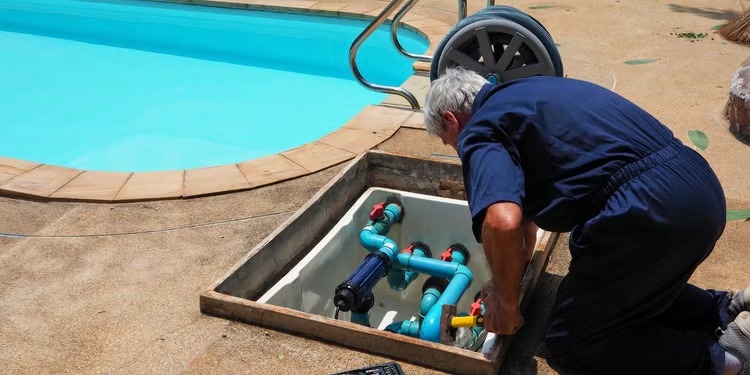
A swimming pool can become one of the most enjoyable features of a home or recreational property, providing a place to relax, exercise, entertain guests, and create memorable experiences with family and friends. However, bringing a pool back into regular use after an extended period of inactivity requires careful preparation, thorough cleaning, and attention to essential equipment. Pool opening is a comprehensive process that involves inspecting the pool structure, removing the cover, cleaning accumulated debris, checking the circulation system, testing the water, and confirming that all important components are functioning properly. Skipping these steps can lead to cloudy water, algae growth, equipment malfunctions, and unexpected repair expenses just when the swimming season begins. By following a systematic preparation plan, pool owners can identify potential problems early, improve water quality, protect their investment, and create a more enjoyable swimming environment that is easier to maintain throughout the season.
Why Careful Pool Preparation Makes a Difference
A successful pool opening provides the foundation for maintaining clean water and reliable equipment throughout the swimming season. During an extended period of inactivity, pool water can experience changes in chemical balance, debris can collect beneath the cover, and environmental conditions can affect exposed equipment and surrounding surfaces. If the pool has not received regular treatment, algae may develop, contaminants may accumulate, and filtration components may require additional cleaning before normal operation resumes. Beginning the season without inspecting these conditions can make the restoration process more complicated and increase the likelihood of maintenance problems later. A planned approach allows owners to assess the pool’s overall condition, determine which tasks require immediate attention, and complete the necessary work before swimmers return to the water.Another important reason to prioritize pool opening is that preventive inspections can help reduce avoidable equipment damage and unexpected expenses. Pumps, filters, heaters, valves, plumbing connections, automatic cleaners, and other pool components must work together to maintain suitable circulation and water quality. When one component develops a problem, the entire system may become less efficient, potentially placing additional strain on other equipment. A leaking connection, damaged seal, clogged filter, or malfunctioning pump may seem minor initially, but ignoring the warning signs can lead to more extensive repairs. Inspecting these components before regular use begins provides an opportunity to address developing issues, plan maintenance expenses, and ensure that the pool is better prepared for increased activity.
Inspecting the Pool Cover Before Removal
The pool opening process should begin with a careful examination of the pool cover and the surrounding area. Over time, leaves, branches, dust, rainwater, and other debris may accumulate on the cover, particularly when the pool is exposed to changing weather conditions. Removing these materials before taking the cover off helps prevent unwanted debris from falling into the water and creating additional cleaning work. Pool owners should follow the manufacturer’s instructions for cover removal, use appropriate tools, and obtain assistance when the cover is heavy or difficult to handle. Standing water can make covers dangerous, so nobody should walk across a pool cover or attempt to remove accumulated water using an unsafe method. Careful handling protects the cover, reduces contamination, and helps prevent avoidable accidents during the initial preparation stage.After removing the cover, owners should clean it according to the manufacturer’s recommendations before storing it in a suitable location. Dirt, moisture, and organic debris left on a cover can contribute to deterioration or create unpleasant odors during storage. Inspect the material for tears, weakened seams, damaged straps, or worn attachment points that may need repair before the next period of inactivity. Pool opening is also an appropriate time to check surrounding drainage areas and identify places where rainwater or debris may have collected. These observations can help owners understand whether changes to the surrounding area would make future maintenance easier. Properly cleaning and storing the cover preserves its condition and helps ensure that it remains useful when the pool needs to be covered again.
Cleaning Pool Water and Removing Accumulated Debris
Thorough cleaning is an essential part of pool opening because debris accumulated during inactivity can affect water clarity, filtration efficiency, and the amount of chemical treatment required. Leaves, insects, dust, pollen, and other organic material should be removed using appropriate skimming tools, while debris that has settled on the pool floor may require vacuuming. Pool walls, steps, corners, and other surfaces should also be brushed to loosen dirt and deposits that ordinary circulation may not remove. The cleaning tools must be suitable for the pool’s surface because fiberglass, vinyl, plaster, and tiled finishes have different requirements. Using an unsuitable brush or harsh cleaning product can cause scratches, discoloration, or surface damage, so owners should follow the pool manufacturer’s guidance when selecting equipment and cleaning solutions.A more detailed cleaning routine should include areas that are easily overlooked during ordinary maintenance. Corners, steps, shaded sections, fittings, and areas behind ladders can collect debris because water circulation may be limited in these locations. If organic material remains on these surfaces, it can contribute to staining or provide conditions that encourage algae growth when sanitation is inadequate. During pool opening, owners should also inspect skimmer baskets and other accessible collection points, removing debris according to the equipment manufacturer’s instructions. Once visible debris has been removed, the water and surfaces can be evaluated more accurately to determine whether further treatment is necessary. If the pool contains persistent stains, widespread algae, or unusually heavy contamination, a qualified professional can help identify the underlying cause and recommend a suitable cleaning method.
Checking Pumps and Water Circulation Equipment
The pump and circulation system play a central role in maintaining pool water because they move water through the filter and help distribute sanitizer throughout the swimming area. Before activating the equipment, pool opening should include a visual inspection of accessible pipes, valves, fittings, pump housings, and connections. Owners should look for visible leaks, cracks, corrosion, damaged seals, or other signs that may indicate a problem. Equipment that was disconnected or prepared for seasonal closure must be restored according to the manufacturer’s instructions, and all required components should be checked before startup. Operating equipment before completing these steps can result in poor circulation, leaks, or unnecessary mechanical strain. If the system has obvious damage or its preparation requirements are unclear, professional assistance is preferable to attempting an improvised repair.Once the system has been prepared correctly, owners should observe the pump during startup and check whether water flows normally through the circulation system. Unusual noises, excessive vibration, repeated loss of prime, visible leakage, or weak water return may indicate that further inspection is necessary. A pump that does not operate properly should not be left running in the hope that the problem will correct itself, because continued operation can worsen certain mechanical issues. Electrical equipment and pressurized components require particular care, and owners should never open or service them without following the appropriate safety procedures. A qualified technician can inspect the system, identify the source of the problem, and determine whether cleaning, repair, or component replacement is needed. Resolving circulation concerns during pool opening helps the filtration system perform more effectively when the pool begins receiving regular use.
Preparing the Pool Filter for Efficient Operation
A pool filter removes suspended particles from circulating water and is essential for maintaining clear, attractive swimming conditions. During pool opening, the filter should be inspected to determine whether it needs cleaning, servicing, or replacement of worn components. Sand filters, cartridge filters, and diatomaceous earth filters have different operating requirements, so the correct procedure depends on the specific equipment installed. A filter that has accumulated excessive debris may restrict water flow and reduce the effectiveness of the circulation system, while damaged internal components may allow unwanted material to pass through. Checking the filter before regular swimming begins provides an opportunity to restore its performance and identify concerns before the pool experiences increased demand.Filter maintenance should always follow the manufacturer’s instructions because the wrong cleaning method can damage equipment or reduce its effectiveness. Cartridge filters may require careful removal and cleaning, while other systems may need backwashing or specialized servicing appropriate to their design. Backwashing should be performed only when suitable for the installed system and in accordance with manufacturer recommendations and local wastewater requirements. Before opening any filter housing, the system must be shut down and safely depressurized using the correct procedure. After servicing, owners should monitor pressure readings and observe whether water circulation improves. If the filter continues to perform poorly, the problem may involve the filter media, pump, plumbing, or another part of the system. Professional inspection can help identify the actual cause and prevent repeated maintenance attempts that fail to resolve the issue.
Testing and Balancing Pool Water Chemistry
Water chemistry deserves special attention during pool opening because water that appears clear is not automatically suitable for swimming. After an extended period of inactivity, sanitizer levels may be inadequate, pH may be outside the recommended range, and other measurements may need adjustment. Owners should begin with reliable water testing rather than adding chemicals based solely on appearance or guesswork. Common measurements include sanitizer concentration, pH, and total alkalinity, while additional tests may be appropriate depending on the pool’s treatment method and equipment. Accurate testing establishes the condition of the water and helps determine which adjustments are necessary. This approach reduces the risk of unnecessary chemical use and makes it easier to restore appropriate water balance.After testing, pool opening should involve carefully measured chemical adjustments based on the results, pool volume, product instructions, and manufacturer recommendations. Adding too much of a treatment product can create further imbalances, while inadequate sanitation may allow algae and microorganisms to develop. Pool chemicals should be handled carefully, stored in their original labeled containers, and kept away from children and pets. Different products should never be mixed directly unless their manufacturers explicitly state that the procedure is safe. Once treatment has been added, water should circulate for the recommended period, and additional testing should be completed when appropriate before swimming resumes. If readings remain outside recommended limits or the correct treatment is uncertain, a professional pool service provider can help assess the water and determine the appropriate next steps.
Preventing Algae Growth and Restoring Clear Water
Algae growth and cloudy water are common concerns when a pool is reopened after an extended period of inactivity. These conditions may develop when sanitizer levels are inadequate, filtration is ineffective, circulation is limited, or organic debris remains in the water. Algae can appear as green, yellowish, or dark deposits on pool surfaces, while suspended particles can make the water look dull, hazy, or opaque. Pool opening should therefore include a careful evaluation of water clarity and visible surface deposits before the pool is considered ready for use. Cleaning, brushing, testing, and appropriate water treatment can help address these problems, but the correct combination of steps depends on the underlying cause rather than the appearance alone.Restoring clear water may require several stages of treatment and filtration instead of a single chemical adjustment. Owners should remove visible debris, clean affected surfaces, ensure that the circulation system is functioning properly, and use treatments according to reliable test results and product instructions. The water should then be monitored as the system operates, with further testing or cleaning performed when necessary. It is important not to assume that every cloudy pool needs the same treatment, because poor filtration, unsuitable water balance, and other conditions can produce similar symptoms. Swimming should not resume until the water is sufficiently clear for safe visibility and chemical measurements meet the applicable recommendations. When algae returns repeatedly or the water remains cloudy despite proper care, professional assessment can help identify and resolve the underlying problem.
Inspecting Pool Surfaces and Surrounding Deck Areas
Pool surfaces and surrounding areas contribute to both the appearance and usability of the swimming environment, making them an important part of pool opening. Owners should inspect the pool walls, floor, steps, tiles, coping, and visible joints for cracks, staining, loose materials, or other changes that may have developed during the off-season. Dirt and mineral deposits should be cleaned using methods appropriate for the surface, while damaged areas should be assessed to determine whether repair is necessary. Regular attention helps prevent small maintenance concerns from being overlooked until they become more serious. The pool’s surrounding deck should also be checked for loose paving, slippery deposits, drainage problems, and deteriorating materials that may affect movement around the water.Different pool finishes require different cleaning and care procedures, so owners should avoid using aggressive brushes or chemicals without confirming that they are suitable. During pool opening, any visible structural concern should be documented and evaluated rather than covered up with temporary cosmetic treatment. The surrounding area should be cleared of debris, and ladders, handrails, and other access points should be checked for stability. If cracks, loose tiles, or damaged fixtures create a potential hazard, the affected area should be addressed before regular swimming begins. A clean and well-maintained pool deck makes the swimming area more inviting while supporting safer movement. Paying attention to both the water and surrounding structure helps owners prepare the entire pool environment instead of focusing exclusively on chemical treatment.
Preparing Pool Heaters and Additional Equipment
Many swimming pools include heaters, automatic cleaners, saltwater systems, underwater lights, water features, and automated chemical controllers that require individual attention before the swimming season begins. Pool opening should include reviewing the manufacturer’s startup instructions and inspecting accessible components for visible damage or warning indicators. Automatic cleaners may need checks of hoses, wheels, brushes, or moving parts, while heaters may require service appropriate to their design and fuel source. Owners should not assume that equipment is ready simply because it worked correctly before the pool was closed. Confirming that each component is prepared properly can help prevent unexpected interruptions when the pool is needed.Saltwater systems and automated chemical controllers may require checks or calibration according to their manufacturer’s instructions, especially if they have remained inactive for an extended period. Their performance can depend on correct water chemistry, properly functioning sensors, and suitable operating settings. Pool opening is a good time to review system displays, identify warning messages, and arrange service if a component does not respond as expected. Electrical equipment, gas connections, and specialized pressurized components should be handled by qualified technicians whenever inspection or repair requires technical expertise. By evaluating additional equipment individually, pool owners can identify problems before regular use and avoid unnecessary strain on connected systems. Proper preparation also helps ensure that features designed to improve convenience and comfort operate reliably throughout the season.
Benefits of Hiring a Professional Pool Opening Service
Although owners can complete some basic preparation tasks themselves, professional pool opening services can provide valuable support when the pool requires extensive cleaning, technical inspection, or specialized equipment care. Experienced technicians can assess the overall condition of the pool, inspect pumps and filters, test water chemistry, identify visible leaks, and recommend suitable corrective work. Their experience can be particularly helpful when a pool has remained unused for several months, the water has developed persistent algae, or equipment does not operate correctly after startup. Professional support may also save time for owners with busy schedules and help prevent common mistakes associated with chemical treatment or equipment handling. Rather than addressing each problem separately without a clear plan, owners can benefit from a more organized evaluation of the pool’s condition.Choosing a suitable service provider involves considering experience, communication, service details, scheduling, and the specific needs of the pool. Owners should ask which tasks are included, whether routine chemicals are covered, how equipment problems are handled, and whether additional repairs require separate approval. Anyone seeking assistance can visit pool opening to explore available pool care services and determine which options may suit their requirements. Discussing the pool’s maintenance history and known equipment concerns can help the service provider understand the work involved and prioritize essential tasks. Professional preparation can also be combined with a recurring maintenance plan, helping owners maintain water quality and equipment performance after the initial opening is finished. Selecting a service that matches the pool’s needs can make seasonal preparation more convenient and predictable.
Establishing a Maintenance Routine After Opening
Completing pool opening does not eliminate the need for ongoing attention, because water quality and equipment performance can change as temperatures rise and swimming activity increases. Owners should establish a maintenance schedule that includes regular water testing, skimming, brushing, vacuuming, filter care, and visual equipment inspections. The frequency of each task depends on factors such as pool size, weather, surrounding vegetation, water temperature, and the number of swimmers. Pools exposed to heavy debris or frequent use may require more frequent cleaning and chemical testing than pools used occasionally. A consistent routine helps prevent minor issues from developing into major problems and makes it easier to keep the water clean and inviting.Maintaining a written service record can further improve the effectiveness of care after pool opening. Owners can document water test results, chemical adjustments, filter cleaning, equipment inspections, repairs, and changes in water appearance. These records may reveal recurring patterns, such as reduced circulation when a filter needs cleaning or cloudy water following heavy rainfall. Responding promptly to unusual pump noises, leaks, persistent algae, or changes in water clarity can prevent unnecessary damage and reduce interruptions to swimming activities. A dependable routine also makes it easier to plan professional service before problems become urgent. By combining careful opening procedures with regular maintenance, pool owners can protect the work already completed and keep the swimming environment in good condition throughout the season.
Conclusion
Proper pool opening requires more than removing a cover and preparing the water for immediate use. It involves thorough cleaning, careful equipment inspections, filter servicing, accurate water testing, surface checks, and attention to essential safety features. Completing these tasks systematically helps identify potential concerns before regular swimming begins, reduces the likelihood of unexpected equipment problems, and creates a stronger foundation for maintaining water quality. Owners who follow manufacturer recommendations and address developing issues early can also protect their pool components and avoid some preventable repair expenses. Whether preparation is handled independently or with assistance from an experienced service provider, a detailed approach helps ensure that the pool is ready for its intended use. Combined with consistent cleaning, chemical testing, and equipment care throughout the season, proper preparation supports a cleaner, more reliable, and more enjoyable swimming experience.
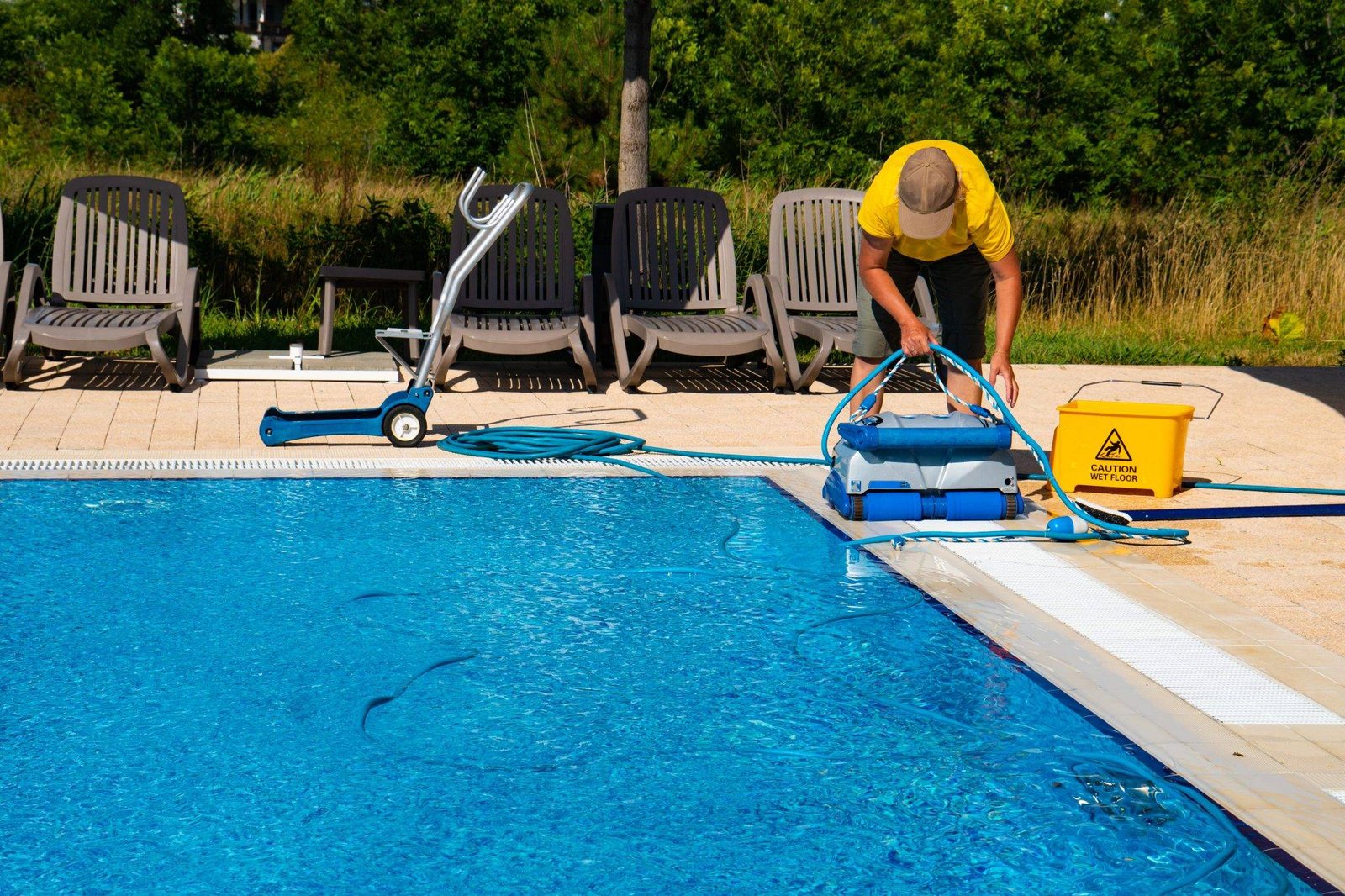
A swimming pool is an important part of a comfortable and enjoyable property, offering a place to relax, exercise, entertain guests, and spend quality time with family. However, keeping a pool in excellent condition requires more than regular cleaning and adding chemicals. Over time, pool surfaces, pumps, filters, plumbing lines, heaters, and circulation systems can develop problems that affect water quality, performance, and safety. Professional pool repair helps identify these issues early, restore proper operation, and prevent minor concerns from becoming expensive repairs. Whether a pool has cloudy water, a leaking pipe, a malfunctioning pump, damaged tiles, or inconsistent water circulation, timely attention can make a significant difference. A dependable repair approach focuses on understanding the source of the problem, choosing an appropriate solution, and ensuring that the entire system works efficiently after the repair is complete.
Understanding Common Swimming Pool Problems
Swimming pools contain several connected components that must work together to maintain clean water and dependable operation. The circulation system moves water through the pump and filter, while plumbing lines transport water between the pool and its equipment. Skimmers, drains, return jets, and chemical treatment systems also contribute to proper performance. When one component begins to fail, the effects may appear throughout the pool. For example, weak circulation can contribute to cloudy water, uneven chemical distribution, and increased algae growth. A damaged seal may allow water to escape, while a clogged filter can force the pump to work harder than necessary. Professional pool repair begins with a careful assessment of these connected systems so that the actual cause can be addressed instead of treating only the visible symptoms. Understanding the relationship between different components also helps property owners make informed maintenance decisions and protect their investment over time.
Identifying Leaks Before They Cause Serious Damage
Water loss is one of the most concerning issues a pool owner can experience because it is not always easy to determine whether the problem comes from evaporation, plumbing damage, or a structural defect. Although some water loss is normal during warm or windy conditions, a noticeable and continuing decline in water level may indicate a leak. Other warning signs can include damp areas around the pool, unusually soft ground, cracks in nearby surfaces, air entering the circulation system, or the need to refill the pool more frequently than usual. Professional pool repair services can investigate these symptoms through visual inspections, specialized leak detection methods, and examinations of plumbing connections and pool surfaces. Finding the source of a leak is essential because adding water without correcting the underlying issue can increase utility costs and allow damage to continue. Prompt repairs may also help protect surrounding landscaping, decking, and other structures from moisture-related problems.
Repairing Pumps and Circulation Equipment
The pool pump plays a central role in maintaining water movement, helping the filtration system remove debris and supporting the distribution of treatment chemicals. When a pump becomes noisy, loses pressure, overheats, or fails to start, the pool may quickly become more difficult to maintain. Some problems are associated with clogged baskets, blocked plumbing, worn seals, damaged impellers, electrical faults, or motor failure. Other symptoms may develop when air enters the system or water cannot flow freely through the intake lines. Professional pool repair can determine whether a pump needs cleaning, component replacement, seal repairs, or a more extensive solution. Addressing these issues promptly can reduce unnecessary strain on equipment and help maintain consistent circulation. Because pool pumps involve electrical components and moving parts, troubleshooting should be handled carefully, with power disconnected whenever appropriate and electrical work completed by qualified professionals.
Restoring Filters and Improving Water Circulation
A swimming pool filter removes particles that would otherwise remain suspended in the water, making effective filtration essential for maintaining clarity and hygiene. Sand, cartridge, and diatomaceous earth filtration systems each require suitable cleaning procedures and periodic maintenance. When a filter becomes clogged, damaged, or incorrectly assembled, water may circulate poorly or remain cloudy even when the chemical balance appears acceptable. High or unusually low pressure readings, repeated filter blockages, visible cracks, and water returning to the pool with debris can all indicate a problem. Professional pool repair can help identify whether the filter media needs attention, internal components require replacement, valves are malfunctioning, or the circulation system has another restriction. Correcting filtration issues improves the system’s ability to remove contaminants and supports more consistent water treatment. Property owners should also follow the equipment manufacturer’s recommendations for cleaning and servicing filters, since neglecting routine care can shorten equipment life and increase operating costs.
Addressing Cracks, Damaged Tiles, and Pool Surface Problems
The pool shell and interior finish must remain in good condition to provide a comfortable swimming environment and help protect the underlying structure. Over time, concrete, plaster, fiberglass, and tiled surfaces can develop wear caused by aging, chemical imbalance, ground movement, temperature changes, or installation-related issues. Small surface imperfections may affect appearance, while deeper cracks can indicate a more significant structural concern. Loose tiles, rough patches, flaking finishes, and damaged grout can also create discomfort or potential injury risks for swimmers. Professional pool repair involves assessing the type and extent of the damage before selecting a suitable repair method. Depending on the pool’s construction, the solution may involve patching, resurfacing, tile replacement, grout restoration, or further structural evaluation. Correct repairs should address both the visible defect and any contributing factors, such as persistent leaks or water chemistry problems, to reduce the likelihood of recurring damage.
Resolving Pool Plumbing and Valve Issues
Pool plumbing directs water through the filtration system, heater, treatment equipment, and return lines. Valves control water movement, allowing different parts of the system to operate as intended. When pipes crack, fittings loosen, valves become stuck, or connections deteriorate, the system may lose pressure or develop leaks. These problems can be difficult to identify when plumbing lines are underground or hidden behind equipment. Signs of trouble may include unexplained water loss, wet areas near the pool, inconsistent return flow, air bubbles, or equipment that struggles to maintain normal pressure. Skilled pool repair technicians can inspect accessible plumbing, test system performance, evaluate valves, and determine whether damaged components need replacement. Correcting plumbing issues helps restore reliable circulation and can prevent water loss from creating additional problems. It is also important to use suitable materials and compatible fittings, since an incorrect replacement part may fail prematurely or interfere with the system’s performance.
Maintaining Heaters and Temperature Controls
Pool heaters allow swimming to remain comfortable when outdoor temperatures change, making them valuable equipment for many residential and commercial pools. However, heaters depend on proper water flow, functioning controls, clean components, and safe energy connections. Problems may appear as inconsistent temperatures, unexpected shutdowns, error messages, unusual noises, or a complete failure to heat the water. Restricted circulation, scale buildup, sensor problems, ignition faults, and worn components may contribute to these symptoms. Professional pool repair can help establish whether the issue involves the heater itself or another part of the pool system. Technicians can inspect compatible components, assess water flow, and recommend repairs according to the equipment manufacturer’s requirements. Gas, electrical, and combustion-related work should always be handled by appropriately qualified professionals. Routine servicing can also help identify developing faults before they lead to prolonged downtime or a more costly equipment replacement.
Recognizing Problems With Pool Lights and Electrical Components
Pool lighting improves visibility and can make evening swimming more enjoyable, but electrical equipment near water requires special attention. Lights that flicker, fail to turn on, trip a circuit, or show signs of moisture may have damaged components or wiring problems. These symptoms should never be ignored because water and electricity create serious safety risks when equipment is not properly installed or maintained. Pool automation panels, timers, switches, and other electrical controls can also malfunction, affecting pumps, heaters, lighting, and water features. Professional pool repair should include a safety-conscious assessment when electrical issues are suspected, with repairs performed by qualified personnel who understand the applicable electrical requirements for swimming pools. Property owners should avoid opening submerged light fixtures, handling exposed wiring, or attempting improvised repairs. Taking unsafe equipment out of service until it has been inspected is a sensible precaution that helps protect swimmers and anyone working around the pool.
Why Timely Repairs Help Control Long-Term Costs
Delaying repairs may appear to save money initially, but unresolved equipment or structural problems can gradually increase maintenance expenses. A pump that operates under excessive strain may consume more energy or suffer additional damage. A small plumbing leak can lead to continuing water loss, while a damaged filter may leave the pool dependent on repeated cleaning and chemical adjustments. Surface defects can also worsen if the underlying cause remains unaddressed. Timely pool repair allows property owners to deal with problems while they are more manageable and to make informed choices about maintenance, component replacement, and equipment upgrades. An accurate assessment is especially important because replacing an entire system is not always necessary; in some cases, repairing a specific component can restore dependable operation. A professional service provider can explain the available options, discuss the expected benefits of each solution, and help prioritize repairs according to safety, urgency, and the condition of the equipment.
The Importance of Professional Inspection and Diagnosis
Effective repairs depend on identifying the actual cause of a problem instead of relying on assumptions. Cloudy water, for example, may result from poor filtration, inadequate circulation, incorrect chemical levels, or a combination of factors. A pump that repeatedly loses pressure may have a blockage, an air leak, or a worn internal component. Similarly, visible cracks may be cosmetic, structural, or connected to water loss. A thorough inspection considers the pool’s age, construction, equipment condition, maintenance history, and current symptoms. Professional technicians can use appropriate testing procedures to narrow down possible causes and recommend practical solutions. When arranging pool repair, owners should look for a service provider that explains the diagnosis clearly, identifies necessary work, and communicates any limitations or additional concerns discovered during the inspection. Transparent recommendations make it easier to understand the repair process, plan expenses, and avoid paying for unnecessary replacements.
Preventing Future Problems Through Consistent Maintenance
Repairs restore equipment or surfaces after a problem develops, but regular maintenance helps reduce the likelihood of recurring faults. A consistent care routine should include checking water chemistry, removing debris from skimmer baskets, inspecting visible plumbing connections, monitoring pump and filter performance, and observing changes in the pool’s water level. Filters should be cleaned according to their type and manufacturer’s instructions, while pumps, heaters, and automated controls should receive appropriate periodic inspections. Maintaining balanced water chemistry is particularly important because water that is too acidic, too alkaline, or improperly sanitized can contribute to corrosion, scaling, irritation, and surface deterioration. Property owners should also keep records of repairs and equipment servicing to recognize recurring issues and plan future maintenance. Although routine care cannot prevent every failure, it can help reveal early warning signs and reduce unnecessary wear. Combining preventive maintenance with timely professional assistance creates a more dependable approach to protecting the pool and its equipment.
Choosing a Dependable Pool Service Provider
Selecting a suitable service provider is an important step toward achieving reliable repairs and long-term pool performance. Property owners should consider the company’s experience with their particular pool type, familiarity with relevant equipment, communication practices, and ability to explain repair options. A dependable provider should inspect the reported problem, discuss the likely cause, outline the proposed work, and provide clear information about costs and expected outcomes. It is also useful to ask whether replacement components are compatible with the existing system and whether the repair will address contributing issues that could cause the problem to return. For professional assistance with swimming pool care and equipment concerns, property owners can explore pool repair. Working with a service provider that understands the relationship between cleaning, maintenance, equipment performance, and repairs can help owners maintain a pool that remains practical to operate and enjoyable to use.
Conclusion
A well-maintained swimming pool depends on reliable equipment, effective circulation, balanced water chemistry, sound plumbing, and durable surfaces. When problems arise, addressing them quickly can protect the pool’s condition, support swimmer safety, and prevent avoidable operating expenses. From leaks and pump failures to filter problems, damaged tiles, plumbing defects, and heater malfunctions, each issue requires an appropriate diagnosis and a repair method suited to the system involved. Professional pool repair helps restore performance while giving property owners a clearer understanding of their pool’s condition and future maintenance needs. By combining qualified repair services with consistent inspections and routine care, homeowners and facility managers can reduce disruption, extend equipment life, and preserve the value of their swimming pool. A proactive approach ultimately makes pool ownership easier to manage and helps ensure that the pool remains a clean, comfortable, and dependable space for recreation and relaxation.

Enhancing Home Comfort and Energy Efficiency With a Reliable Heat Pump

How Modern Window Replacement Creates a More Comfortable and Beautiful Home

Residential HVAC Installation: Creating a Comfortable and Energy-Efficient Home

Who Is Keiko Fujimoto? All About Sunny Balwani’s Former Wife

Bandit Lee Way: Everything to Know About Gerard Way and Lyn-Z’s Daughter

Meet David Scott Simon: Alison Berns’ Husband and His Private Life
-
 Celebrity2 months ago
Who Is Keiko Fujimoto? All About Sunny Balwani’s Former Wife
-
 Celebrity3 months ago
Bandit Lee Way: Everything to Know About Gerard Way and Lyn-Z’s Daughter
-
 News2 months ago
Meet David Scott Simon: Alison Berns’ Husband and His Private Life
-

 Celebrity2 months ago
Who Is Fred Tillman? The Full Story of Kelly McGillis’s Former Husband
-

 News2 months ago
Meet Morgan Kay Beamer: The Todd Beamer’s Daughter
-

 News4 months ago
Meet Carol Marlow: The Full Story of Tony Dow’s Private Ex Wife
-

 Celebrity2 months ago
Who Is Alice Young? Meet Neil deGrasse Tyson’s Wife
-

 Celebrity3 months ago
Meet Kelly Stewart-Harcourt: The Story of Jimmy Stewart’s Daughter