
Technology
Enhancing Home Comfort and Energy Efficiency With a Reliable Heat Pump

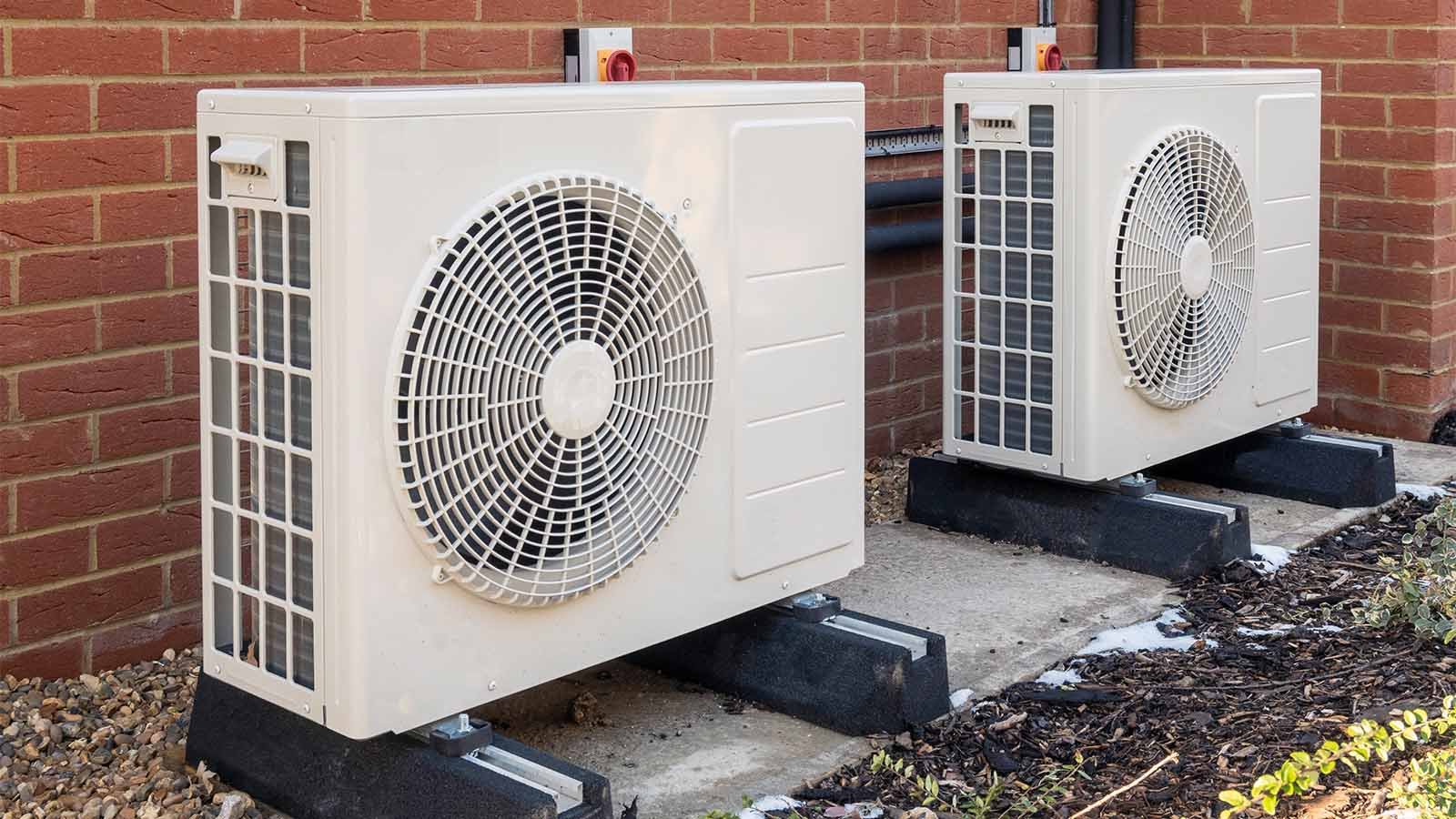
Understanding Modern Heat Pump Systems
Maintaining a comfortable indoor environment requires heating and cooling equipment that can adapt to changing temperatures while operating efficiently. A heat pump offers a practical solution because it transfers heat instead of generating warmth through conventional fuel combustion during normal heating operation. Depending on the system design, the same equipment can provide heating during colder conditions and cooling when indoor temperatures rise, making it a versatile choice for residential and commercial properties. Heat pumps use refrigerant, compressors, coils, fans, and control components to move thermal energy between indoor and outdoor spaces. Their performance depends on proper sizing, professional installation, regular maintenance, and suitable operating conditions. Homeowners considering this technology should understand how the equipment works, what benefits it can provide, and which factors influence its efficiency. Selecting an appropriate system can improve indoor comfort, support more consistent temperature control, and help manage energy consumption. Working with an experienced HVAC professional also makes it easier to evaluate equipment options, understand installation requirements, and choose a system that matches the building’s heating and cooling needs.
How Heat Pumps Provide Heating and Cooling
A heat pump works by moving thermal energy from one place to another through a refrigeration cycle. During heating operation, the system extracts heat from outdoor air and transfers it indoors, even when the outdoor temperature feels cold. During cooling operation, the process reverses, allowing the equipment to remove heat from indoor air and release it outside. A reversing valve helps change the direction of refrigerant flow, allowing one system to provide both functions. The compressor, evaporator coil, condenser coil, expansion device, and fans work together to support this process. Because a heat pump transfers heat rather than relying entirely on electrical resistance to generate warmth, it can deliver more thermal energy than the electrical energy it consumes under suitable operating conditions. Actual efficiency varies with outdoor temperatures, system design, equipment condition, and installation quality. Understanding this operating principle helps homeowners appreciate why these systems can offer an efficient alternative to separate heating and cooling equipment. Professional assessment can determine whether the technology is appropriate for the property’s climate, insulation, layout, and comfort requirements.
Improving Household Energy Efficiency
Energy efficiency is one of the most important considerations when choosing heating and cooling equipment. Traditional heating systems may generate warmth by burning fuel or using electrical resistance, while a heat pump primarily transfers existing thermal energy between indoor and outdoor environments. This process can reduce energy consumption compared with some conventional systems, although the actual savings depend on local energy prices, outdoor temperatures, insulation, and the equipment being replaced. A properly selected unit can help maintain comfortable indoor conditions without unnecessarily high energy use. However, efficiency depends on more than the equipment’s advertised ratings. Incorrect sizing, leaking ducts, restricted airflow, dirty coils, and unsuitable thermostat settings can all reduce performance. Homeowners should compare seasonal efficiency ratings, review expected operating costs, and consider the condition of their existing heating and cooling system before making a decision. Improving insulation and sealing air leaks can also reduce the amount of heating or cooling a property requires. Combining efficient equipment with thoughtful energy management helps create a more comfortable indoor environment while supporting long-term operating savings.
Choosing the Right System Size
Selecting the correct equipment capacity is essential for reliable heating and cooling performance. A system that is too small may struggle to maintain comfortable temperatures during demanding weather, while an oversized unit may cycle on and off too frequently under certain conditions. These problems can affect efficiency, comfort, humidity control, and component longevity. Before recommending a heat pump, an HVAC professional should evaluate the property’s square footage, insulation levels, window characteristics, ceiling height, air leakage, ductwork, and heating and cooling loads. The number of occupants and the layout of the building may also influence the final recommendation. A professional load calculation provides a more dependable basis for equipment selection than relying on floor area alone. The technician should also consider the system’s performance at different outdoor temperatures, especially if the property experiences extended periods of cold weather. Correct sizing helps the equipment maintain indoor temperatures more consistently while avoiding unnecessary strain. Taking the time to evaluate the building properly can improve comfort, support energy efficiency, and reduce the likelihood of performance problems after installation.
Understanding Professional Installation
Even high-quality heating and cooling equipment may perform poorly if it is installed incorrectly. Proper installation involves much more than placing the outdoor unit beside a building and connecting the indoor equipment. An HVAC professional must evaluate equipment placement, refrigerant piping, electrical connections, drainage, airflow, controls, and any existing ductwork that will be used. When installing a heat pump, the technician should follow the manufacturer’s specifications and applicable safety requirements while verifying that the system operates correctly after setup. Poor refrigerant charging, inadequate airflow, incorrect electrical connections, or improperly configured controls can affect performance and reliability. The outdoor unit also requires a stable base and suitable clearance for airflow and maintenance access. Indoor components must be positioned to support effective air distribution and convenient servicing. After installation, the technician should test operating modes, inspect connections, confirm thermostat communication, and explain the system’s basic operation. Professional installation helps protect the equipment warranty where applicable and gives homeowners greater confidence that the system is ready to provide dependable heating and cooling.
Maintaining Comfortable Indoor Temperatures
Consistent indoor temperatures are important for everyday comfort, particularly in homes with multiple rooms, different floor levels, or areas that receive varying amounts of sunlight. A properly designed heat pump can provide effective temperature control, but comfort also depends on airflow, insulation, thermostat placement, and the condition of the distribution system. If one room remains colder or warmer than another, the cause may involve blocked vents, duct leakage, an improperly balanced air distribution system, or a control issue. Homeowners should avoid assuming that the equipment itself is responsible for every temperature difference. A professional assessment can identify whether adjustments, repairs, or improvements to the building envelope are needed. Programmable thermostats may help maintain suitable settings throughout the day, while zoning systems can provide additional control in properties with different heating and cooling needs. Furniture should not obstruct supply or return vents, and filters should be replaced according to manufacturer recommendations. These simple practices can support better airflow and more even temperatures, allowing the equipment to operate under more suitable conditions.
The Importance of Routine Maintenance
Regular maintenance helps keep heating and cooling equipment operating as intended and allows developing problems to be identified before they become more serious. A heat pump contains mechanical, electrical, and refrigerant components that require appropriate inspection and care. Maintenance may include checking electrical connections, inspecting coils, evaluating airflow, examining the condensate drain, testing thermostat operation, and confirming that the system changes between heating and cooling modes correctly. Air filters should be checked regularly because accumulated dust can restrict airflow and increase the workload placed on the equipment. The outdoor unit should also remain clear of leaves, grass clippings, and other debris that could interfere with air movement. During colder weather, homeowners should monitor the outdoor unit for unusual ice accumulation or repeated performance problems. Some frost can occur during normal operation, and the system may periodically run a defrost cycle to remove it. However, persistent heavy ice or a failure to maintain indoor temperatures may require professional inspection. Following a suitable maintenance schedule can support efficiency, improve reliability, and help protect the system over its expected service life.
Improving Indoor Airflow
Airflow has a direct effect on the performance of any heating and cooling system. When air cannot move freely through filters, coils, ducts, and vents, the equipment may struggle to distribute conditioned air effectively. A heat pump depends on sufficient airflow to transfer thermal energy efficiently, so restricted air movement can lead to poor comfort and increased operating time. Dirty filters, blocked return grilles, closed supply vents, damaged ductwork, and blower problems are common issues that can interfere with circulation. Homeowners should inspect filters according to the manufacturer’s guidance and replace them when needed. They should also ensure that furniture, curtains, and household items do not block the vents responsible for moving air through the building. If airflow remains weak despite these steps, a technician can inspect the blower assembly, accessible ductwork, and other relevant components. Correcting airflow restrictions may improve temperature distribution and reduce unnecessary strain on the system. Proper airflow can also support more consistent operation and help the equipment deliver the comfort expected from a professionally designed heating and cooling solution.
Performance During Cold Weather
Cold weather can affect heating performance because a heat pump extracts heat from outdoor air, and the amount of available thermal energy generally decreases as outdoor temperatures fall. Modern cold-climate models are designed to operate effectively at lower temperatures, but their performance varies by model and environmental conditions. Homeowners should review the manufacturer’s published performance information to understand how much heating capacity the equipment can provide at different outdoor temperatures. In some properties, supplemental heating may be appropriate during particularly cold conditions or when the building’s heating requirements exceed the unit’s available output. The system’s defrost function is also important because frost can accumulate on the outdoor coil under certain temperature and humidity conditions. During a normal defrost cycle, the unit may temporarily change its operation to remove this buildup. This process can produce visible vapor or a temporary change in airflow, which does not necessarily indicate a malfunction. However, frequent shutdowns, persistent ice, unusual noises, or inadequate indoor heating deserve professional attention. Choosing suitable equipment and maintaining it correctly helps improve comfort when temperatures become challenging.
Reducing Environmental Impact
Many homeowners consider environmental impact when evaluating new heating and cooling equipment. A heat pump can reduce direct on-site emissions compared with a fossil-fuel heating system because it transfers heat rather than burning fuel to produce warmth during normal operation. The overall environmental benefit depends on the electricity supply, the system’s efficiency, refrigerant selection, and the equipment being replaced. In areas where electricity is generated from lower-emission sources, efficient electric heating may provide additional environmental advantages. However, no system is completely free of environmental considerations. Refrigerants must be handled responsibly, and equipment should be installed and serviced according to applicable regulations. Homeowners should ask about the refrigerant used by a proposed system, its efficiency ratings, and the manufacturer’s guidance for end-of-life disposal. Reducing air leakage and improving insulation can also lower the amount of energy required to maintain comfortable temperatures. By combining efficient equipment with responsible installation, regular maintenance, and practical energy-saving measures, property owners can reduce waste and make informed choices about their long-term heating and cooling needs.
Understanding Different Heat Pump Types
Several types of heating and cooling systems are available, and each offers different installation requirements and performance characteristics. Air-source systems transfer heat between indoor spaces and outdoor air, making them a common option for many residential applications. Ducted systems distribute conditioned air through existing or newly installed ductwork, while ductless mini-split systems use indoor units to serve individual rooms or zones. Ground-source systems exchange thermal energy with the ground and require specialized underground loops, making their installation more complex. When selecting a heat pump, homeowners should consider the building’s design, available space, existing ductwork, budget, and desired level of temperature control. Ductless equipment may be useful for additions, converted garages, or rooms that are difficult to serve through existing ducts. Ducted equipment may be appropriate when a building already has a suitable air distribution system. Ground-source equipment may appeal to property owners who can accommodate the installation requirements and evaluate its long-term economics. A qualified contractor can compare the available options and explain their advantages, limitations, maintenance needs, and expected operating characteristics.
Recognizing Signs of a System Problem
Even a well-maintained heating and cooling system can eventually experience mechanical or electrical problems. Recognizing unusual behavior early can help homeowners arrange service before a minor issue causes a more disruptive breakdown. If a heat pump produces insufficient heating or cooling, runs continuously, cycles frequently, makes unfamiliar noises, or causes an unexplained increase in energy use, professional inspection may be necessary. Some symptoms can result from relatively simple issues, such as a dirty filter or incorrect thermostat settings, while others may indicate refrigerant problems, failing electrical components, or damaged motors. Ice that remains on the outdoor coil for an unusually long time can also indicate a problem with airflow, defrost operation, or another system component. Homeowners can begin with basic checks, such as confirming the thermostat mode and inspecting the filter, but they should avoid dismantling electrical or refrigerant components. If the equipment repeatedly shuts down or continues to operate poorly, a qualified technician should identify the cause. Early diagnosis can help restore performance, reduce additional wear, and provide clearer information about the repairs required.
Managing Long-Term Operating Costs
The overall cost of owning heating and cooling equipment includes more than the original purchase price. Installation, electricity use, maintenance, repairs, warranty coverage, and the expected service life all influence long-term value. A properly selected heat pump may help reduce operating expenses compared with some older heating and cooling arrangements, but actual savings depend on the previous equipment, local energy rates, outdoor conditions, and building efficiency. Homeowners should compare equipment ratings and ask contractors to explain the expected performance of each proposed option. They should also consider whether the property needs improvements such as better insulation, duct sealing, or weatherstripping. These upgrades can reduce heating and cooling demand and help the system maintain comfortable temperatures with less effort. Maintenance costs should be included in the ownership plan, along with the possibility of future component repairs. Rather than choosing equipment based solely on the lowest upfront price, property owners should evaluate its suitability, installation quality, expected energy use, warranty terms, and available service support. A balanced decision can help protect the investment and make ongoing expenses more predictable.
Choosing a Reliable HVAC Contractor
The contractor responsible for selecting, installing, or servicing heating and cooling equipment plays an important role in its long-term performance. Homeowners should look for professionals who assess the building’s requirements, explain their recommendations clearly, and follow appropriate installation and safety practices. A qualified contractor evaluating a heat pump should consider heating and cooling loads, equipment capacity, airflow, duct condition, electrical requirements, and the system’s expected performance under local weather conditions. Customers can ask for an explanation of the proposed equipment’s efficiency ratings, warranty coverage, maintenance requirements, and expected operating limitations. Written estimates help clarify the scope of work, equipment specifications, labor costs, and any additional installation requirements. It is also useful to review relevant qualifications, customer feedback, and applicable licensing requirements before making a decision. After installation or repair, the contractor should explain basic controls, filter maintenance, and the circumstances that warrant professional service. Choosing an experienced provider helps reduce the risk of avoidable installation problems and gives homeowners a dependable source of support throughout the equipment’s operating life.
Conclusion
Modern heating and cooling technology offers homeowners an opportunity to improve indoor comfort while managing energy consumption more effectively. A properly selected heat pump can provide both heating and cooling, making it a versatile option for properties with suitable installation conditions and climate requirements. However, dependable performance depends on correct sizing, professional installation, regular maintenance, and prompt attention to unusual operating behavior. Homeowners should evaluate system efficiency, building insulation, airflow, thermostat settings, and long-term operating costs before choosing equipment. They should also arrange professional inspections when the system produces insufficient heating or cooling, develops persistent ice buildup, makes unusual noises, or experiences repeated shutdowns. Working with a qualified HVAC contractor helps ensure that equipment recommendations and repairs are based on the property’s actual needs. By combining suitable technology with consistent care and sensible energy practices, property owners can support reliable operation, maintain comfortable indoor temperatures, and make a well-informed investment in their heating and cooling system.
Understanding Home Comfort
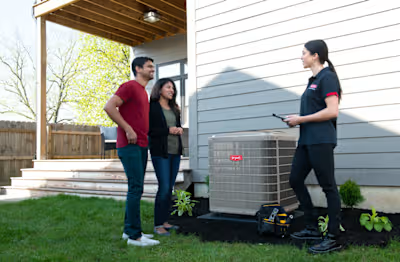
Maintaining a comfortable indoor environment is an important part of creating a healthy and enjoyable home. Temperature fluctuations, poor airflow, excessive humidity, and rising energy bills can make everyday living less comfortable, especially when an existing heating and cooling system no longer meets household needs. Professional residential HVAC installation provides homeowners with an opportunity to improve indoor comfort by selecting equipment that suits the property’s layout, insulation, and heating and cooling requirements. A properly installed system can deliver consistent temperatures throughout the home, improve air circulation, and help reduce unnecessary energy consumption. Instead of choosing equipment based only on price or brand, homeowners should consider system performance, installation quality, operating costs, and long-term reliability to make an informed decision that supports their household for years.
Choosing the Right System
Selecting suitable heating and cooling equipment is one of the most important steps in planning a new HVAC system. Homes differ in square footage, ceiling height, insulation quality, window placement, and the number of occupants, so the same equipment will not provide identical results in every property. A professional contractor evaluates these factors before recommending a furnace, air conditioner, heat pump, or ductless mini-split system. Proper equipment sizing is particularly important because an oversized system may cycle on and off too frequently, while an undersized unit may struggle to maintain comfortable temperatures during extreme weather. A carefully planned residential HVAC installation takes the home’s actual heating and cooling load into account, helping ensure that the selected equipment operates efficiently without placing unnecessary strain on its components.
Improving Energy Efficiency
Energy efficiency is a major consideration for homeowners investing in a new heating and cooling system. Older equipment may consume more electricity or fuel than modern alternatives, particularly when components have deteriorated or the system was not properly sized. Newer HVAC equipment often incorporates advanced compressors, variable-speed motors, programmable controls, and improved heat-transfer technology that can support more efficient operation. However, the equipment’s advertised efficiency does not guarantee low energy bills if the installation is poorly executed. Incorrect refrigerant charging, inadequate airflow, leaky ductwork, and unsuitable equipment sizing can all reduce system performance. Homeowners should discuss efficiency ratings and expected operating costs with their contractor before making a purchase. A well-designed system combines appropriate equipment with careful installation practices, allowing the household to benefit from improved comfort and more responsible energy use.
Evaluating Existing Equipment
Before replacing an older system, homeowners should consider its age, repair history, operating performance, and ability to maintain consistent temperatures. Frequent breakdowns, unusual noises, uneven heating or cooling, and unexplained increases in energy consumption may indicate that the equipment is approaching the end of its useful life. In some cases, a targeted repair or maintenance visit can resolve the problem, but repeated service calls may make replacement a more practical long-term investment. A qualified technician can inspect the existing equipment, assess the condition of connected components, and explain whether replacement is likely to provide meaningful benefits. During the planning stage, homeowners should also identify any comfort problems that affected the previous system, such as hot upstairs rooms, weak airflow, or excessive indoor humidity. Addressing these concerns before installation helps create a more effective heating and cooling solution.
Planning the Installation
Successful HVAC work begins with a clear installation plan rather than simply removing old equipment and connecting a replacement unit. The contractor should inspect the installation area, review existing ductwork or refrigerant lines where applicable, evaluate electrical requirements, and confirm that the proposed equipment is compatible with the property. The plan should also account for drainage, ventilation, system accessibility, thermostat placement, and manufacturer specifications. Homeowners benefit from discussing the expected schedule, preparation requirements, equipment options, and installation costs before work begins. An organized process reduces uncertainty and makes it easier to identify potential complications before they delay the project. Professional residential HVAC installation should be completed according to applicable building codes, safety requirements, and manufacturer guidelines, ensuring that the system is installed correctly and is ready for proper testing before regular use.
Understanding Ductwork
Ductwork plays a significant role in the performance of many central heating and cooling systems. Even high-quality equipment may deliver disappointing results if air cannot move freely through the home’s distribution network. Leaks, crushed sections, disconnected joints, inadequate returns, and poorly designed duct layouts can create uneven temperatures and unnecessary energy waste. Before installing a new central HVAC system, a contractor should inspect the existing ducts and determine whether repairs, sealing, modifications, or replacement are needed. The size of the ductwork should also be appropriate for the airflow requirements of the new equipment. In homes with older ducts, addressing these issues during the installation project may improve comfort and reduce the likelihood of persistent airflow problems. Properly designed and maintained ductwork helps distribute conditioned air throughout the property and allows the HVAC system to operate closer to its intended performance level.
Considering Ductless Options
Not every home has ductwork suitable for a traditional central heating and cooling system. Older properties, room additions, converted garages, and finished attic spaces may require an alternative approach. Ductless mini-split systems can provide heating and cooling without relying on an extensive network of air ducts, making them a practical option for certain layouts. These systems typically include an outdoor unit connected to one or more indoor air handlers, allowing individual areas to receive conditioned air according to their needs. Some configurations support separate temperature settings for different rooms or zones, which can be helpful when occupants prefer different comfort levels. Nevertheless, ductless equipment must still be selected and positioned carefully. The contractor should assess room dimensions, insulation, outdoor conditions, electrical capacity, and the number of indoor units required before recommending a suitable configuration.
Improving Indoor Air Quality
Indoor comfort involves more than maintaining a pleasant temperature. Dust, airborne particles, excessive moisture, and insufficient ventilation can affect the overall quality of the air inside a home. During an HVAC upgrade, homeowners have an opportunity to review filtration options, humidity control, and ventilation requirements. Standard filters help capture certain airborne particles, but they must be compatible with the equipment and replaced according to the manufacturer’s recommendations. Filters that are too restrictive for the system may reduce airflow if the equipment was not designed to accommodate them. Depending on household needs, additional solutions such as upgraded filtration, humidity management, or ventilation improvements may be worth discussing with a qualified contractor. A properly planned heating and cooling system can support a healthier indoor environment when its filtration, airflow, and moisture-control features are selected and maintained appropriately.
Selecting a Reliable Contractor
The quality of the installation is just as important as the quality of the equipment. Homeowners should look for an HVAC contractor who evaluates the property carefully, explains available options, provides a clear written estimate, and answers questions without relying on pressure-based sales tactics. It is helpful to verify relevant licensing and insurance requirements, review customer feedback, and ask about warranties covering both equipment and installation labor. Contractors should be willing to explain how the proposed system was sized, what work is included in the estimate, and whether existing ductwork or electrical components require attention. Homeowners can also ask whether startup testing and a final walkthrough are included. Working with a qualified professional helps reduce installation mistakes and provides greater confidence that the completed system will perform according to the equipment manufacturer’s specifications.
Understanding Installation Costs
The total cost of a new HVAC system depends on several factors, including equipment type, capacity, efficiency, installation complexity, and the condition of existing infrastructure. Replacing a unit with a compatible system may involve less work than installing equipment in a property that needs new ductwork, electrical upgrades, drainage improvements, or additional ventilation. Optional features such as advanced thermostats, zoning controls, and upgraded filtration can also influence the final price. Homeowners should compare estimates carefully and make sure that each proposal describes the equipment model, included labor, required modifications, warranty coverage, and any additional charges that may arise. Choosing the lowest initial price without understanding the scope of work can lead to unexpected expenses later. A transparent estimate helps homeowners compare options based on overall value, expected performance, and long-term operating costs rather than upfront cost alone.
Using Smart Thermostats
Modern thermostats can help homeowners manage indoor temperatures more conveniently and avoid unnecessary heating or cooling. Programmable thermostats allow users to establish schedules that reflect their daily routines, while compatible smart models may offer remote adjustments, usage reports, and automated temperature changes. These features can be useful when a home is unoccupied for several hours or when household schedules change frequently. However, thermostat selection should be based on compatibility with the new HVAC equipment and the household’s preferences. Some systems require specialized controls to manage multiple stages, variable-speed operation, or heat pump functions. During installation, the contractor should explain how to operate the thermostat, adjust schedules, and use any available energy-saving settings. Proper configuration helps homeowners take advantage of the equipment’s features while maintaining a comfortable indoor environment.
Preparing the Home
Homeowners can make installation day more efficient by preparing the areas where technicians will work. Furniture, stored items, and other obstacles should be moved away from the indoor unit, thermostat location, attic access, or outdoor equipment area as appropriate. Pets and children should be kept away from active work zones, and the contractor should be informed about access limitations or concerns involving the property. If the project involves replacing an existing system, homeowners may also want to protect nearby belongings from dust and ask whether power interruptions or temporary changes to indoor comfort are expected. Before work begins, it is useful to confirm the arrival time, anticipated completion schedule, and any preparation instructions provided by the installer. Clear communication helps prevent avoidable delays and supports a smoother experience for everyone involved.
Testing the New System
Installation is not complete simply because the equipment has been connected and switched on. The contractor should perform appropriate startup procedures and verify that the system operates safely and according to the manufacturer’s requirements. Depending on the equipment, this may involve checking airflow, electrical connections, refrigerant charge, drainage, thermostat communication, temperature performance, and system controls. The technician should also look for unusual noises, vibration, leaks, or other signs of improper operation. Any problems discovered during testing should be addressed before the system is considered ready for routine use. Homeowners should receive an explanation of the equipment’s operation, filter replacement schedule, basic maintenance requirements, and warranty documentation. Taking time to complete these checks helps identify installation issues early and gives the homeowner a clearer understanding of how to operate the new system confidently.
Maintaining Long-Term Performance
Regular maintenance helps protect the performance and reliability of heating and cooling equipment after installation. Homeowners should replace or clean air filters according to the manufacturer’s instructions, keep outdoor units clear of leaves and other obstructions, and make sure that indoor supply and return vents are not blocked by furniture or household items. Seasonal professional maintenance can provide an opportunity to inspect electrical components, verify system operation, examine drainage, and identify developing problems before they become more serious. The exact maintenance schedule depends on the equipment type, operating conditions, and manufacturer’s recommendations. Homeowners should also pay attention to changes in airflow, unusual sounds, persistent odors, or inconsistent temperatures. Addressing these warning signs promptly may prevent avoidable damage and help the system continue delivering reliable comfort throughout the year.
Why Installation Quality Matters
A dependable HVAC system requires a combination of suitable equipment, accurate sizing, sound design, and careful workmanship. Even advanced equipment may underperform when it is installed without considering airflow, duct conditions, electrical requirements, or the specific needs of the property. Poor installation can contribute to discomfort, increased energy use, frequent cycling, and premature component wear. By contrast, a professionally managed project considers the entire heating and cooling system rather than focusing only on the main equipment. Homeowners researching residential hvac installation should prioritize contractors who explain their recommendations, follow established installation procedures, and verify performance before completing the job. This approach can help protect the investment and support more consistent indoor comfort over the life of the equipment.
Conclusion
A new heating and cooling system is an investment in everyday comfort, energy management, and the long-term functionality of a home. Choosing the right equipment requires careful consideration of the property’s size, insulation, airflow, indoor air quality needs, and existing infrastructure. Homeowners should also evaluate contractor experience, installation costs, warranty coverage, and ongoing maintenance requirements before making a final decision. A properly planned project addresses more than equipment replacement; it creates a complete solution designed to deliver reliable heating and cooling while minimizing avoidable operating problems. For homeowners exploring residential HVAC installation, working with an experienced professional such as residential HVAC installation can help make the process more organized, from evaluating equipment options to completing installation checks and understanding ongoing system care.
Introduction
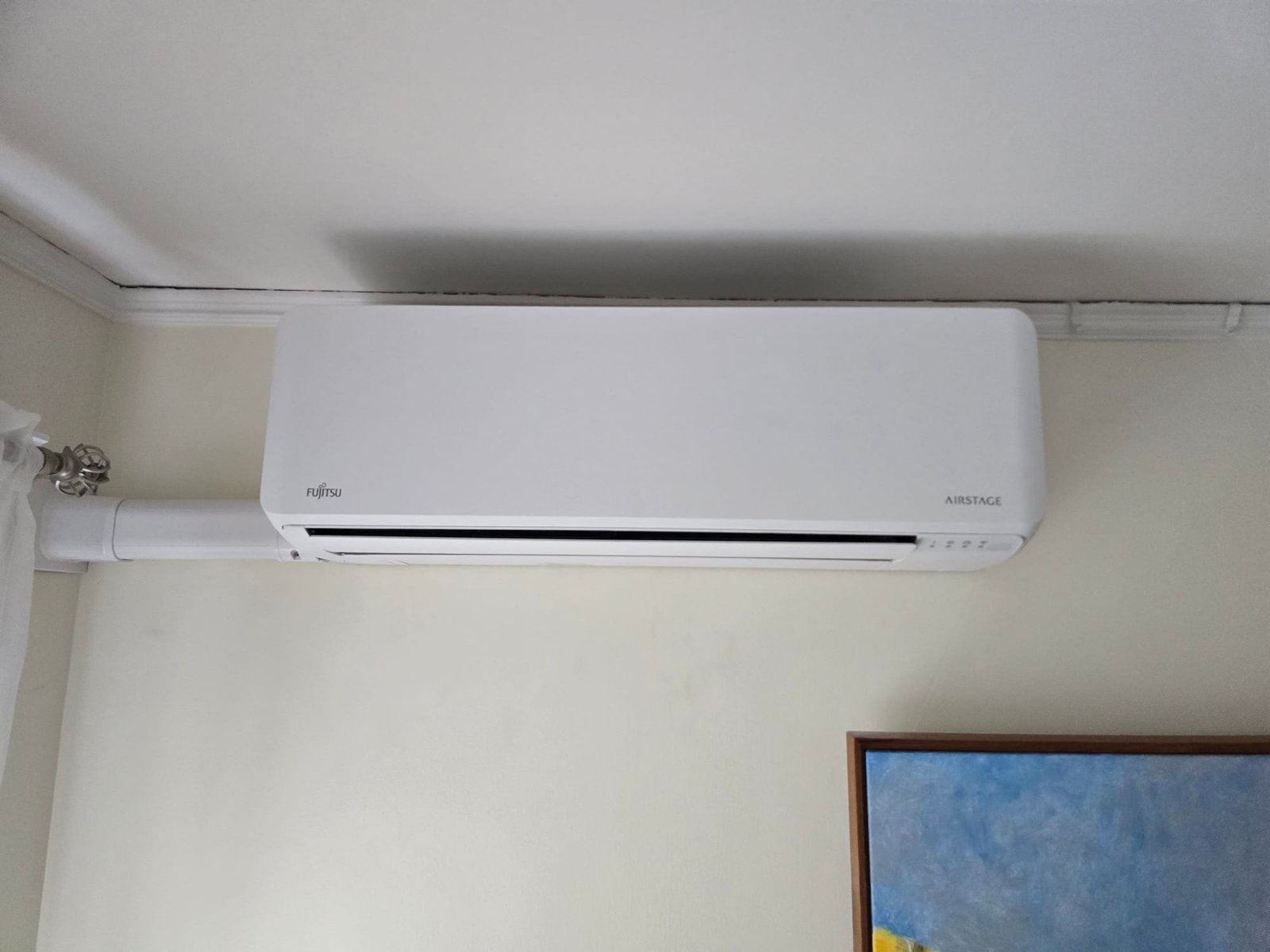
Creating a comfortable indoor environment requires a cooling system that delivers reliable performance, manages humidity, and adapts to the needs of different rooms. Traditional central air conditioning systems rely on ductwork to distribute conditioned air, but not every property has the space, layout, or infrastructure required for this approach. Ductless mini splits offer a flexible alternative by providing heating and cooling through indoor units connected to an outdoor unit without requiring extensive air ducts. These systems are suitable for many homes, additions, converted garages, offices, and other spaces where independent temperature control is desirable. Their compact design, flexible installation options, and potential for energy-efficient operation make them an attractive choice for property owners exploring modern HVAC solutions. Understanding how ductless technology works, what benefits it offers, and which factors influence system selection can help homeowners decide whether this cooling solution meets their comfort requirements.
Understanding the Technology
The operation of ductless mini splits depends on a refrigeration cycle that transfers heat between indoor and outdoor environments. A typical system includes an outdoor unit containing important components such as the compressor and condenser, along with one or more indoor units that distribute conditioned air throughout the selected spaces. Refrigerant travels between these components through insulated lines, allowing the system to move heat rather than generate cooling through a conventional air distribution arrangement. During cooling operation, heat is removed from indoor air and transferred outdoors, helping maintain comfortable temperatures inside the building. Many models also provide heating through a reversible refrigeration cycle, allowing the equipment to serve as a heat pump when outdoor conditions and system specifications permit. This combination of functions makes ductless technology useful for homeowners seeking flexible year-round comfort.Unlike conventional central air conditioning, ductless mini splits do not depend on an extensive network of supply and return ducts to deliver conditioned air. This design can be especially helpful in older homes, renovated buildings, and room additions where installing ductwork would require substantial construction. Indoor units are commonly mounted on walls, although other configurations may be available depending on the manufacturer and installation requirements. Each indoor unit connects to the outdoor equipment through refrigerant lines, electrical connections, and a condensate drainage arrangement. The installation still requires careful planning, but it can reduce the need for major modifications inside walls, ceilings, and floors. By understanding these design differences, homeowners can evaluate whether a ductless system offers a practical solution for their property’s layout and cooling requirements.
Benefits of Flexible Cooling
One of the main advantages of ductless mini splits is the ability to provide temperature control for individual rooms or designated zones. Depending on the system configuration, different indoor units may operate independently, allowing occupants to adjust comfort settings according to how each space is used. For example, a bedroom may require a different temperature from a living room or home office, particularly when occupancy and heat loads vary throughout the day. This flexibility can reduce unnecessary cooling in unoccupied areas when the system is designed and operated appropriately. It can also help address comfort differences that occur in buildings where certain rooms receive more sunlight or have different insulation characteristics. Proper system design remains essential because the benefits of independent zoning depend on equipment selection, room layout, and installation quality.Another advantage of ductless mini splits is their potential to improve overall cooling efficiency. In conventional ducted systems, conditioned air can lose energy through duct leakage or heat transfer, particularly when ducts run through unconditioned spaces. Ductless equipment avoids these particular duct losses because it delivers conditioned air directly into the spaces served by its indoor units. However, actual efficiency depends on the model, system capacity, outdoor conditions, and operating habits. Homeowners should compare manufacturer efficiency ratings and consider how frequently each room needs cooling before selecting a system. Setting reasonable temperatures, maintaining clean filters, and scheduling professional maintenance can also support efficient performance. When these factors are considered together, ductless technology can provide an effective approach to managing indoor comfort.
Ideal Applications
Ductless mini splits can be particularly useful for home additions where extending existing ductwork would be difficult or expensive. Adding a new bedroom, sunroom, converted garage, or finished attic may change the property’s cooling requirements and place additional demands on the original HVAC system. Extending the existing duct network is sometimes possible, but it may require modifications that increase installation complexity. A properly selected ductless system can provide independent temperature control for the new area without requiring extensive ductwork throughout the property. Before choosing this approach, homeowners should have the space evaluated for insulation quality, window placement, air leakage, and expected occupancy. These factors help determine the appropriate system capacity and whether additional improvements are needed to maintain consistent comfort.Older homes can also benefit from ductless mini splits when central air conditioning is unavailable or when installing ducts would interfere with architectural features. Some buildings have limited space above ceilings, narrow wall cavities, or layouts that make conventional duct installation challenging. Ductless equipment can provide a less intrusive alternative, although the outdoor unit still requires suitable placement and the indoor equipment must be positioned to distribute air effectively. These systems may also serve workshops, guest rooms, detached offices, and other spaces that have different cooling schedules from the main building. A professional assessment helps establish whether ductless equipment can meet the space’s requirements while complying with applicable electrical, building, and installation standards.
Choosing the Right Capacity
Selecting the appropriate capacity is essential for ensuring that ductless mini splits provide reliable cooling and suitable humidity control. A system that is too small may struggle to maintain the desired temperature during periods of high heat, causing extended operation and inconsistent comfort. An oversized system may cool a room quickly without operating long enough to remove sufficient moisture from the air, depending on its controls and operating conditions. For this reason, choosing equipment based only on room size or a general capacity estimate may produce disappointing results. Professional load calculations consider several factors, including floor area, ceiling height, insulation, windows, building orientation, air leakage, and the amount of heat generated by occupants and appliances. Evaluating these conditions helps determine which system can provide the necessary performance without excessive cycling or unnecessary energy consumption.The number and placement of indoor units are equally important when designing a ductless installation. A single-zone system generally serves one designated indoor area, while a multi-zone configuration can connect multiple indoor units to a compatible outdoor unit. However, a multi-zone system must be designed according to the capacity requirements of all connected spaces and the manufacturer’s equipment limitations. Poor placement may create uneven temperatures, uncomfortable airflow, or areas that remain inadequately conditioned. During the planning process, a qualified technician can recommend suitable indoor unit locations, evaluate outdoor equipment placement, and explain the differences between single-zone and multi-zone options. This approach helps homeowners choose a configuration that aligns with the property’s layout and the way each room will be used.
Installation Considerations
Professional installation plays a major role in the performance and reliability of ductless mini splits. Although these systems generally require less invasive construction than many ducted alternatives, installation still involves electrical work, refrigerant connections, condensate drainage, mounting, and equipment commissioning. The indoor unit must be securely mounted in a suitable location, while the outdoor unit needs adequate clearance for airflow and access for future maintenance. Refrigerant lines must be installed according to the manufacturer’s requirements, and drainage must be arranged to prevent unwanted moisture accumulation. Incorrect installation can contribute to leaks, reduced efficiency, drainage problems, or premature component failure. Working with a qualified HVAC professional helps ensure that these details are addressed correctly and that the equipment is appropriate for the property.Before installation begins, homeowners should discuss their comfort priorities, room usage, preferred indoor unit locations, and any limitations around the building’s exterior. Ductless mini splits require an appropriate path for refrigerant lines and electrical connections between indoor and outdoor components, so the property’s construction may influence the final design. The installer should explain the proposed equipment configuration, the scope of work, and any electrical or structural modifications that may be required. After the equipment is installed, the technician should verify proper operation, inspect relevant connections, confirm drainage, and check system performance according to manufacturer guidelines. Homeowners should also receive guidance about thermostat controls, filter cleaning, maintenance schedules, and warranty requirements so they can operate and care for the system correctly.
Energy Efficiency
Energy efficiency is an important reason many property owners consider ductless mini splits when evaluating cooling options. Modern systems may use inverter-driven compressors that adjust operating speed according to changing heating or cooling demands. Rather than relying exclusively on repeated full-capacity starts and stops, compatible inverter systems can modulate output to maintain the selected temperature more steadily. This capability may improve efficiency and comfort under suitable conditions, although results vary by model, installation quality, climate, and operating practices. Homeowners should compare the efficiency ratings of available systems and consider the capacity required for each space. Selecting equipment that matches the property’s needs is generally more useful than choosing a model solely because it advertises advanced technology or a particularly high efficiency rating.Everyday habits also influence the operating costs of ductless mini splits. Setting extremely low temperatures during hot weather can increase electricity consumption, while cooling unused rooms unnecessarily may reduce the practical benefits of zoning. Homeowners can establish reasonable temperature settings, use scheduling features where appropriate, and keep doors and windows closed while cooling is operating. Insulation, weatherstripping, window coverings, and proper ventilation can further influence how much cooling a property requires. These improvements support the performance of the equipment by reducing unwanted heat gain and limiting the workload placed on the system. Regular maintenance is equally important because dirty filters and obstructed outdoor coils can interfere with airflow and reduce operating efficiency.
Indoor Air Quality
Indoor air quality is another consideration when comparing ductless mini splits with other cooling systems. Indoor units draw air through filters that capture certain airborne particles, including some household dust and debris. Keeping these filters clean helps maintain airflow and supports normal equipment operation. However, standard air conditioning filters are not a complete solution for indoor air quality concerns and should not be expected to remove every pollutant, allergen, or microscopic particle. Homeowners who have specific air quality concerns may need to consider ventilation improvements, suitable filtration, source control, or other measures recommended by an appropriate professional. Understanding the capabilities and limitations of the equipment helps establish realistic expectations about the role it plays in creating a healthier indoor environment.Routine cleaning is particularly important because dust accumulation can interfere with the performance of ductless mini splits over time. Depending on the manufacturer’s instructions and household conditions, indoor filters may need to be cleaned or replaced regularly. Outdoor units should also remain free from obstructions that interfere with airflow, while deeper cleaning and internal maintenance should be handled according to the equipment’s requirements. Homeowners should avoid using harsh cleaning products or opening sealed components without appropriate guidance. If the system develops unusual odors, visible moisture problems, reduced airflow, or persistent performance issues, a professional inspection can help identify the cause. Combining appropriate maintenance with good indoor housekeeping supports comfortable operation and helps the equipment function as intended.
Maintenance Requirements
Consistent maintenance helps ductless mini splits deliver dependable cooling while reducing the risk of avoidable breakdowns. Homeowners can usually perform basic tasks such as inspecting accessible filters, cleaning them according to manufacturer instructions, and keeping the area around the outdoor unit clear of leaves and debris. Indoor units should remain unobstructed so air can circulate freely throughout the room. The outdoor equipment should have sufficient clearance for heat exchange, and any visible drainage concerns should be investigated rather than ignored. These simple habits can help preserve normal airflow and make it easier to identify developing problems before they affect the entire system. The manufacturer’s maintenance instructions should always take priority because procedures vary between equipment models.Professional servicing provides a more detailed assessment of ductless mini splits and their major components. Depending on the system, maintenance may include inspecting electrical connections, evaluating operating performance, checking condensate drainage, cleaning appropriate components, and examining refrigerant-related concerns when necessary. Technicians can also investigate unusual noises, inconsistent temperatures, or repeated operating interruptions. Addressing these symptoms early may reduce the likelihood of additional damage and help maintain reliable performance. Homeowners should keep records of maintenance visits and follow the recommended service schedule for their equipment. Regular professional care is particularly valuable for systems that operate frequently or serve spaces where dependable temperature control is important throughout the year.
Comparing System Options
Before purchasing ductless mini splits, homeowners should compare available configurations and consider how each option fits their cooling requirements. A single-zone system may be suitable for one room, a home office, or a small addition, while a multi-zone system can serve several separate areas using compatible indoor units connected to an outdoor unit. Other options may include different indoor unit styles, control features, heating capabilities, and efficiency levels. The best configuration depends on the property’s layout, the number of rooms requiring independent control, and the available installation space. Comparing these details helps homeowners avoid purchasing equipment that lacks the capacity or functionality needed for everyday comfort.Initial price is only one factor when evaluating ductless mini splits. Property owners should also consider installation costs, expected electricity consumption, maintenance requirements, warranty terms, and the availability of qualified service technicians. A lower-priced unit may not provide the features or performance needed for the intended application, while a more expensive model may offer advantages that are unnecessary for a particular space. Homeowners should ask for a detailed estimate that explains the proposed equipment, installation work, and any additional electrical or structural modifications. Comparing proposals according to their overall value helps ensure that the final decision reflects practical needs rather than marketing claims alone.
Selecting a Qualified Provider
Choosing an experienced HVAC provider can make a significant difference in the installation and long-term performance of ductless mini splits. A qualified contractor should assess the property, explain suitable equipment configurations, and provide recommendations based on actual cooling requirements. Homeowners should ask about system sizing, installation procedures, warranty coverage, maintenance expectations, and the testing that will be performed after installation. Clear communication is important because ductless systems involve several technical considerations, even when the visible equipment appears compact and straightforward. A professional who explains the available options and answers questions clearly can help homeowners understand what they are purchasing and what results they can reasonably expect. Island Air Cooling is a company homeowners can explore when researching air conditioning and HVAC solutions. Visiting its website can help property owners learn about its service offerings and determine whether they align with their needs. When evaluating any contractor for ductless mini splits should confirm the proposed equipment specifications, review the written estimate, and clarify which installation tasks are included. It is also useful to ask about maintenance support and the documentation provided after the work is completed. Taking time to evaluate these details helps homeowners select a service provider based on suitability, installation quality, and communication rather than focusing exclusively on the initial price.
Conclusion
Ductless mini splits provide a flexible approach to indoor comfort by combining targeted cooling, adaptable installation options, and the potential for efficient operation. These systems can be particularly useful for home additions, converted rooms, older properties without suitable ductwork, and spaces that require independent temperature control. Choosing the right equipment requires careful attention to system capacity, room layout, installation requirements, energy efficiency, and maintenance needs. Professional installation helps ensure that the equipment is correctly configured, while routine filter care and periodic servicing support reliable operation over time. By comparing available options and working with a qualified HVAC professional, homeowners can determine whether ductless technology is the right fit for their property and enjoy a more comfortable indoor environment with cooling tailored to their everyday needs.
Understanding the Importance of Heater Repair
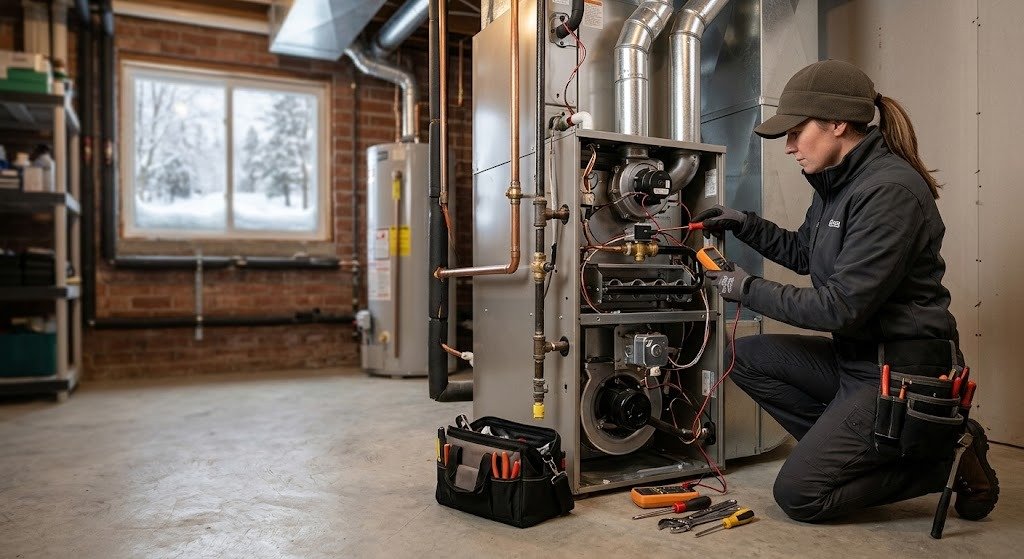
A dependable heating system plays an important role in maintaining a comfortable, safe, and welcoming indoor environment throughout the colder months. When a heater operates correctly, it helps maintain consistent temperatures, supports everyday household routines, and allows homeowners to enjoy their living spaces without worrying about unexpected cold spots or uncomfortable indoor conditions. However, heating equipment can develop problems over time because of regular use, dust accumulation, worn components, electrical faults, restricted airflow, and a lack of routine maintenance. Timely heater repair helps identify these issues before they become more serious and expensive to resolve. Even a seemingly minor problem, such as a malfunctioning thermostat or dirty air filter, can affect the performance of the entire heating system if it remains unaddressed. By recognizing early warning signs and arranging professional service when necessary, homeowners can protect their equipment, improve heating efficiency, and maintain dependable comfort throughout the season.
Common Warning Signs That a Heater Needs Repair
Heating systems frequently display noticeable symptoms when individual components begin to malfunction, and understanding these warning signs can help homeowners respond before a complete breakdown occurs. One of the most common problems is insufficient heat, which may leave rooms feeling cold even when the thermostat is set to a comfortable temperature. Other warning signs include unusual rattling, banging, squealing, frequent system cycling, weak airflow, unexpected increases in energy bills, and a heater that runs continuously without warming the property properly. Some systems may also produce inconsistent temperatures, causing certain rooms to feel warm while others remain uncomfortable. These symptoms can result from several different causes, so it is important not to assume that every heating problem requires the same solution. Professional heater repair begins with a careful inspection to determine whether the underlying issue involves airflow, electrical connections, thermostat settings, ignition components, or mechanical wear. Addressing the actual cause can restore performance more effectively than repeatedly adjusting settings or replacing parts without a proper diagnosis.
Why Professional Heater Repair Is a Smart Investment
Professional heating service provides homeowners with a practical way to address equipment problems while reducing the risk of additional damage. Modern heating systems contain interconnected electrical, mechanical, and safety components that must work together to deliver consistent warmth. When one component fails, it can affect the operation of other parts, increase energy consumption, or trigger automatic shutdowns intended to protect the equipment. An experienced technician can inspect the system, test relevant components, identify the source of the malfunction, and explain the available repair options. Professional heater repair may involve examining the thermostat, checking electrical connections, inspecting the blower motor, evaluating airflow, testing safety controls, or addressing problems with ignition systems in applicable equipment. This methodical approach helps prevent guesswork and unnecessary replacement costs while allowing homeowners to understand what their heating system needs. Working with a qualified service provider also helps ensure that repairs follow manufacturer recommendations and applicable safety requirements, which is particularly important when the equipment involves gas combustion or high-voltage electrical components.
Thermostat Problems and Inconsistent Indoor Temperatures
The thermostat is an essential part of a heating system because it measures indoor temperature and communicates when additional heat is required. If the thermostat becomes inaccurate, loses power, develops a wiring problem, or is configured incorrectly, the heater may fail to start, shut off too early, or continue operating longer than necessary. Homeowners sometimes assume that the heating equipment itself has failed when the actual problem involves temperature controls. Checking the selected operating mode, desired temperature, and thermostat batteries can help identify simple issues, but persistent problems may require professional testing. Thermostat placement can also affect performance because a device positioned near a drafty window, direct sunlight, or another heat source may receive misleading temperature readings. Reliable heater repair includes evaluating whether the thermostat is communicating correctly with the heating equipment and whether its settings accurately reflect household requirements. Correcting a control problem can improve temperature consistency, reduce unnecessary operating cycles, and help the system deliver the desired level of comfort without wasting energy.
Restricted Airflow and the Effects of Dirty Filters
Airflow is fundamental to heating performance because the system must move air effectively to distribute warmth throughout the property. When an air filter becomes clogged with dust, pet hair, and airborne particles, the heating equipment may struggle to circulate sufficient air. This restriction can reduce heating output, increase operating time, create uneven temperatures, and place additional strain on the blower motor. In certain systems, severe airflow problems may cause internal temperatures to rise and activate protective shutdown mechanisms. Homeowners can reduce the likelihood of these issues by checking filters regularly and replacing them according to the manufacturer’s recommendations, taking into account household conditions and the type of filter installed. Properties with pets, frequent indoor activity, or elevated dust levels may require more frequent filter attention. If replacing a dirty filter does not restore normal performance, further heater repair may be necessary to examine the blower assembly, ductwork, return-air pathways, and other components that influence circulation. Keeping air moving freely helps maintain comfort, supports equipment reliability, and can prevent avoidable performance problems.
Ignition Difficulties and Heating System Startup Failures
Some heating systems depend on ignition components to begin producing heat, and problems with these components can prevent the equipment from operating correctly. Modern furnaces may use electronic ignition systems, while certain older models rely on a standing pilot light. If the ignition system fails, the heater may repeatedly attempt to start, shut down shortly after startup, or operate without producing the expected warmth. Possible causes include faulty sensors, worn ignition components, electrical problems, or interruptions affecting the fuel supply. These issues require careful evaluation because fuel-burning appliances must operate with appropriate combustion, ventilation, and safety controls. Homeowners should not dismantle ignition assemblies, bypass safety devices, or attempt repairs that require specialized training. If anyone detects a gas odor, they should leave the area immediately, avoid flames and electrical switches, and contact the appropriate emergency gas service from a safe location. Qualified heater repair can help determine the cause of startup problems, restore proper operation when feasible, and verify that the system’s safety features function as intended.
Unusual Heating Noises and Mechanical Component Wear
Although heating equipment produces some normal operating sounds, sudden or persistent changes in noise should not be ignored. Rattling may indicate loose panels, fasteners, or internal components, while squealing can sometimes suggest a worn belt or a problem involving a motor or bearing. Banging sounds may occur because of expansion and contraction, airflow issues, or other mechanical conditions, depending on the type of equipment. Grinding noises can be especially concerning when they indicate that moving components are experiencing excessive friction or deterioration. The sound alone does not always reveal the precise problem, which is why a careful inspection is important. Homeowners can help the technician by noting when the noise occurs, whether it happens during startup or shutdown, and whether the heating system’s performance has changed at the same time. Timely heater repair may prevent a minor mechanical issue from damaging additional components and reduce the risk of a more expensive failure. If the equipment produces a burning smell, smoke, or severe electrical noises, homeowners should stop using it when safe to do so and seek professional assistance promptly.
Improving Energy Efficiency Through Proper Heating Maintenance
Energy efficiency is an important consideration for homeowners who want dependable warmth without unnecessary utility expenses. When a heater has dirty components, restricted airflow, inaccurate controls, or worn mechanical parts, it may need to operate longer to achieve the selected temperature. These problems can contribute to increased energy consumption and inconsistent comfort, particularly during periods of frequent system use. Timely heater repair can address faults that interfere with normal operation, while preventive maintenance helps keep the equipment in suitable working condition. Homeowners can support these efforts by replacing filters when needed, keeping vents unobstructed, sealing drafts around doors and windows, and maintaining appropriate insulation throughout the property. These building improvements matter because even an efficient heating system can struggle when substantial heat escapes through poorly insulated walls, ceilings, windows, or doors. A professional assessment can help distinguish equipment-related inefficiency from heat loss caused by the building itself. Combining appropriate repairs with practical energy improvements can support more consistent temperatures and help homeowners manage heating expenses over the long term.
Preventing Unexpected Heating Breakdowns
An unexpected heating failure can interrupt daily routines, create discomfort, and require urgent service at an inconvenient time. Preventive maintenance helps reduce these risks by giving technicians an opportunity to identify developing problems before they cause a complete system shutdown. Depending on the heating equipment, a maintenance visit may include checking electrical connections, examining the blower assembly, inspecting accessible components, evaluating filter condition, testing controls, and reviewing safety features. Fuel-burning equipment may require additional inspection of combustion-related components and ventilation systems according to manufacturer recommendations. Homeowners also play an important role in prevention by paying attention to unusual operating behavior, including repeated shutdowns, weak airflow, inconsistent heating, and unexpected changes in energy consumption. Scheduling a professional inspection before the period of heaviest heating demand can provide time to address developing concerns before they become urgent. Although maintenance cannot eliminate every possibility of equipment failure, regular attention and prompt heater repair can improve reliability, reduce avoidable strain, and help homeowners prepare for the heating season with greater confidence.
Understanding Heating Repair Costs and Service Estimates
The cost of repairing a heating system depends on the nature of the malfunction, the type and age of the equipment, the availability of replacement parts, and the amount of labor required. A relatively simple problem involving a thermostat setting or an accessible component may require less work than a failure involving a blower motor, ignition assembly, control board, or other major part. Because symptoms can have multiple possible causes, homeowners should request a professional diagnosis rather than relying exclusively on a preliminary estimate based on limited information. Before authorizing substantial work, it is helpful to ask for a clear explanation of the problem, the recommended solution, the expected cost, and any available alternatives. Homeowners should also clarify whether parts and labor are covered by warranties and whether additional charges could arise if further issues are discovered. A transparent approach to heater repair makes it easier to compare options and plan a reasonable budget. It also helps prevent misunderstandings by ensuring that homeowners know what work is being performed and why the proposed solution is appropriate for their equipment.
Safety Measures Every Homeowner Should Understand
Heating safety should always remain a priority, particularly when equipment uses natural gas, propane, electricity, or other energy sources that require appropriate handling. Fuel-burning appliances must have suitable ventilation and properly functioning safety controls to support safe operation. Carbon monoxide is an odorless and colorless gas that can pose a serious danger when combustion equipment malfunctions or ventilation becomes inadequate. Homes with fuel-burning appliances should have properly installed and maintained carbon monoxide alarms, along with functioning smoke alarms. If a carbon monoxide alarm sounds or exposure is suspected, occupants should leave the affected area immediately and contact emergency services from a safe location. Electrical heating equipment also requires attention to damaged wiring, frequently tripped breakers, overheating, smoke, or burning odors. Homeowners should never bypass safety switches, use damaged electrical equipment, or attempt complex repairs without the necessary training. Professional heater repair can help identify hazards, test relevant safety features, and address faults that may compromise reliable operation. Maintaining clear space around heating equipment and following the manufacturer’s operating instructions also contribute to a safer home environment.
Choosing the Right Heating Repair Professional
Selecting a qualified service provider is an important step toward obtaining dependable repairs and protecting the long-term performance of a heating system. Homeowners should look for technicians who have appropriate training, relevant experience, and required licensing or certifications where applicable. Experience with the specific equipment type is also valuable because different heating systems can have different components, diagnostic procedures, and maintenance requirements. A dependable provider should explain the problem clearly, answer questions patiently, and present a written estimate before beginning significant work. Homeowners may also want to ask about parts availability, expected completion times, warranties, and recommended maintenance after the repair. Professional communication is particularly important when several solutions are available or when the cost of repair raises questions about replacing the equipment instead. A trustworthy technician should explain the advantages and limitations of each option without pressuring the homeowner into unnecessary purchases. By comparing service qualifications, communication, transparency, and experience, homeowners can make a better-informed decision and feel more confident about the quality of the work.
When to Repair a Heater and When to Consider Replacement
Repairing an existing heater is often a sensible choice when the equipment is in generally good condition and the malfunction involves an isolated component. However, older systems with repeated breakdowns, declining performance, expensive parts failures, or ongoing safety concerns may require a more detailed evaluation. Homeowners should consider the system’s age, maintenance history, recent repair expenses, operating costs, and expected remaining service life before deciding how to proceed. A relatively minor repair may restore dependable operation for years, while repeated major repairs can become increasingly difficult to justify financially. Replacement may also provide an opportunity to select equipment with better efficiency, suitable capacity, and features that match the household’s needs. Nevertheless, age alone does not automatically mean a heater must be replaced, and a new system is not always the most economical option. A qualified professional can assess the equipment and explain whether continued heater repair or replacement offers the stronger long-term value. Comparing the complete costs, comfort benefits, safety considerations, and expected reliability of each option helps homeowners make a practical decision rather than reacting to a breakdown under pressure.
Maintaining Heating Performance Between Professional Visits
Simple household practices can help preserve heating performance between scheduled inspections and service appointments. Homeowners should regularly check air filters, keep supply and return vents free from furniture and other obstructions, and avoid storing combustible materials near heating equipment. It is also helpful to monitor changes in indoor temperatures, operating sounds, airflow, and energy bills because these details may reveal developing issues. Thermostat settings should be adjusted thoughtfully, taking the system’s operating characteristics and household schedule into account. Outdoor equipment, where applicable, should remain clear of leaves, snow, debris, and other obstructions in accordance with manufacturer recommendations. Homeowners should also keep maintenance records, including service dates, replaced components, recurring symptoms, and any recommendations provided by technicians. This information can help identify patterns and support more efficient troubleshooting if a problem returns. While these practices cannot replace professional inspection or complex heater repair, they encourage responsible system care and may help prevent avoidable operating problems. Consistent attention to everyday maintenance supports comfort, improves awareness of equipment condition, and makes it easier to recognize when professional assistance is needed.
Conclusion
A reliable heating system is essential for maintaining comfortable indoor temperatures, supporting household routines, and providing peace of mind throughout the colder months. From thermostat problems and restricted airflow to ignition failures, mechanical wear, and declining efficiency, many heating issues begin with warning signs that homeowners can recognize before a complete breakdown occurs. Timely professional service helps identify the actual cause of a malfunction, address safety concerns, and determine the most practical solution for the equipment. Regular maintenance, clean filters, unobstructed vents, sensible thermostat settings, and appropriate insulation can further support heating performance and help control energy expenses. Homeowners should also understand the importance of choosing qualified technicians, requesting transparent estimates, and comparing repair costs with the potential benefits of replacement when equipment becomes unreliable. By prioritizing preventive care and seeking professional heater repair when problems arise, homeowners can protect their investment, reduce avoidable disruptions, and maintain dependable warmth throughout the heating season.

Enhancing Home Comfort and Energy Efficiency With a Reliable Heat Pump

How Modern Window Replacement Creates a More Comfortable and Beautiful Home

Residential HVAC Installation: Creating a Comfortable and Energy-Efficient Home

Who Is Keiko Fujimoto? All About Sunny Balwani’s Former Wife

Bandit Lee Way: Everything to Know About Gerard Way and Lyn-Z’s Daughter

Meet David Scott Simon: Alison Berns’ Husband and His Private Life
-
 Celebrity2 months ago
Who Is Keiko Fujimoto? All About Sunny Balwani’s Former Wife
-
 Celebrity3 months ago
Bandit Lee Way: Everything to Know About Gerard Way and Lyn-Z’s Daughter
-
 News2 months ago
Meet David Scott Simon: Alison Berns’ Husband and His Private Life
-

 Celebrity2 months ago
Who Is Fred Tillman? The Full Story of Kelly McGillis’s Former Husband
-

 News2 months ago
Meet Morgan Kay Beamer: The Todd Beamer’s Daughter
-

 News4 months ago
Meet Carol Marlow: The Full Story of Tony Dow’s Private Ex Wife
-

 Celebrity2 months ago
Who Is Alice Young? Meet Neil deGrasse Tyson’s Wife
-

 Celebrity3 months ago
Meet Kelly Stewart-Harcourt: The Story of Jimmy Stewart’s Daughter