
Business
How Boom Lift Rental Makes Elevated Projects More Efficient

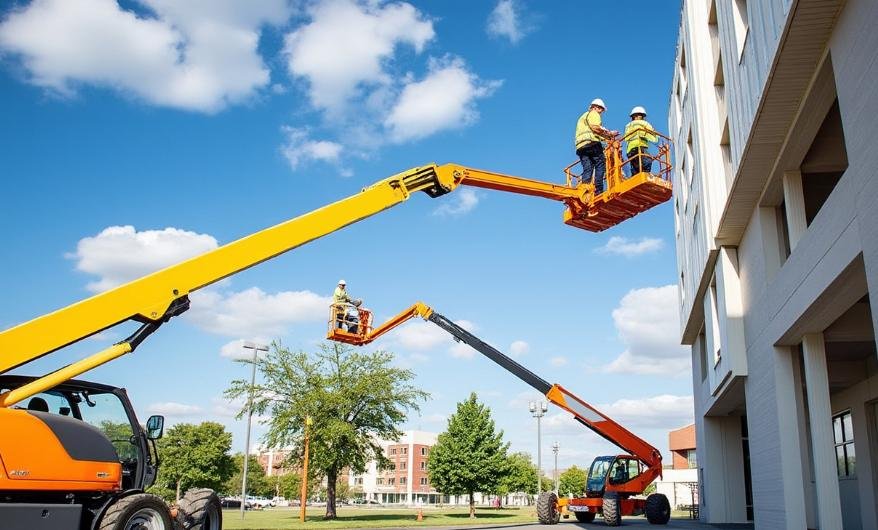
Understanding Boom Lift Rental
Modern construction, industrial maintenance, commercial installation, and facility management projects often require workers to perform tasks at considerable heights where ordinary ladders and basic access equipment may not provide sufficient reach or flexibility. Boom lift rental offers businesses a practical way to access specialized lifting machinery that allows trained employees to reach elevated work areas safely and complete demanding assignments more efficiently. These machines use extending arms to position a working platform at different heights and distances, making them particularly useful when the required work area is difficult to access directly from underneath. Depending on the project requirements, businesses can choose articulating or telescopic models with different platform capacities and working ranges. Renting equipment also helps companies avoid the substantial initial investment associated with purchasing machinery that may only be needed for a limited period. By selecting an appropriate machine and organizing its use properly, contractors and industrial businesses can improve worksite productivity while maintaining better control over equipment-related expenses.
Advantages of Equipment Rental
One of the main reasons businesses choose boom lift rental is the flexibility it provides when project requirements change or additional equipment becomes necessary for a limited period. Purchasing a boom lift involves more than paying the initial equipment price because ownership also creates ongoing responsibilities related to storage, inspections, maintenance, servicing, repairs, transportation, and eventual replacement. For companies that only need elevated access during certain construction assignments, building improvements, or maintenance projects, renting can be a more practical arrangement. It allows managers to select machinery according to the specific height, reach, and operating requirements of each assignment without making a permanent financial commitment. Rental arrangements can also help businesses preserve available capital for important expenses such as employee wages, construction materials, transportation, and project management. When companies evaluate their equipment requirements carefully and choose a suitable rental period, they can make better use of available resources while keeping their operations flexible.
Accessing Difficult Areas
Certain construction and maintenance activities involve elevated locations that cannot be reached easily because of structural obstacles, installed machinery, building extensions, or restricted ground access. Boom lift rental provides a useful solution for these situations because boom lifts are designed to extend both upward and outward, allowing trained operators to position the platform closer to the required working area. This capability can be especially beneficial for exterior building inspections, overhead installations, structural maintenance, industrial repairs, and projects involving elevated surfaces positioned beyond ordinary vertical reach. Unlike equipment that only moves directly upward, suitable boom lift models can provide additional positioning flexibility depending on their design and operating specifications. Before selecting a machine, project managers should evaluate the distance between the equipment’s intended position and the work area, along with any surrounding obstructions that may affect movement. Understanding these requirements helps businesses choose equipment that provides the necessary access while remaining within the manufacturer’s permitted operating range.
Supporting Construction Projects
Construction companies regularly complete activities that require workers to access elevated structural components, exterior surfaces, overhead installations, and difficult sections of commercial buildings. Boom lift rental gives contractors access to specialized machinery that can support these activities without requiring them to purchase equipment for every individual project. A suitable boom lift can help trained employees reach elevated areas during painting, structural installation, electrical work, exterior finishing, and other construction-related assignments. Its extending platform can provide access to locations that may be difficult to approach with conventional equipment, particularly when obstacles prevent workers from positioning a lift directly beneath the required area. Construction managers should evaluate the project’s working height, horizontal reach, ground conditions, equipment dimensions, and platform load requirements before confirming a rental. They should also coordinate lifting operations with other contractors to maintain an organized worksite and prevent unnecessary interference with nearby activities. Careful equipment planning can help construction teams complete demanding assignments more efficiently while maintaining appropriate safety procedures.
Improving Industrial Maintenance
Industrial facilities depend on overhead systems, structural components, ventilation equipment, lighting installations, and specialized machinery that require regular inspection and maintenance. Boom lift rental allows facility managers to arrange appropriate equipment when maintenance personnel need access to elevated areas that are difficult to reach through ordinary methods. A suitable boom lift can support activities involving overhead pipes, industrial lighting, building structures, ventilation systems, and other installations that require workers to operate at different heights. Having access to the correct lifting machinery can help maintenance teams organize their work more effectively, especially when several related tasks need to be completed during one scheduled maintenance period. Before arranging equipment, managers should examine the facility layout, available operating space, floor conditions, overhead obstructions, and surrounding machinery to ensure that the selected model is appropriate. Coordinating maintenance activities with normal facility operations can also reduce unnecessary disruptions and help employees complete their responsibilities according to the planned schedule.
Choosing Suitable Equipment
Selecting the right machinery is one of the most important decisions when arranging boom lift rental, because different models are designed to accommodate different working conditions and access requirements. Businesses should begin by identifying the exact working height and horizontal reach needed for the project, followed by evaluating platform capacity, machine dimensions, ground conditions, and available operating space. The combined weight of workers, tools, and approved materials must remain within the equipment’s rated capacity, while the machine must also provide sufficient reach to access the required location. Articulating models may be useful when workers need to move around certain obstacles, whereas telescopic models are generally considered for applications requiring extended straight-line reach. However, the most appropriate option depends on the physical layout of the worksite and the manufacturer’s specifications rather than the machine’s general appearance. Discussing the project requirements with an experienced rental provider can help businesses compare available models and select equipment that matches their actual operational needs.
Articulating and Telescopic Models
Understanding the differences between available equipment configurations can help businesses make better decisions when arranging boom lift rental for specialized projects. Articulating boom lifts feature multiple connected sections that allow the boom to bend and position the platform around certain obstacles, making them useful for applications where direct access is restricted by building structures, overhead installations, or industrial equipment. Telescopic boom lifts, on the other hand, use extending sections that provide substantial straight-line reach and may be suitable for projects involving open working areas and elevated locations positioned farther from the machine’s base. Both configurations have specific operating capabilities, limitations, and capacity requirements that must be reviewed before use. Businesses should explain the nature of the work, surrounding obstacles, required platform position, and ground conditions when discussing equipment options with a rental provider. Selecting the correct configuration can improve access to the intended work area and help employees complete their tasks without relying on unsuitable machinery.
Managing Equipment Expenses
Equipment expenses can have a significant effect on project budgets, particularly when businesses need specialized machinery for construction, industrial maintenance, or commercial installation activities. Boom lift rental provides an alternative to purchasing expensive equipment by allowing companies to arrange machinery for a specific assignment or agreed rental period. This approach can help businesses avoid certain long-term ownership responsibilities while keeping their available capital focused on essential operational requirements. However, the total rental expense should be evaluated carefully because the basic rental rate may not include every cost associated with equipment use. Transportation, delivery, collection, insurance requirements, deposits, rental extensions, and damage policies can influence the final amount payable under an agreement. Project managers should review these details before confirming a booking and compare rental offers according to their complete terms rather than selecting equipment based only on the lowest advertised price. Proper budgeting and realistic scheduling can help businesses reduce unnecessary expenses and obtain better value from their equipment arrangements.
Improving Workplace Productivity
Productivity depends on how effectively businesses organize their equipment, employees, materials, and daily project activities. Boom lift rental can support more efficient elevated work by providing a suitable platform that allows trained employees to reach required locations and complete assigned tasks with fewer unnecessary interruptions. This can be especially helpful for projects involving several overhead installations, exterior maintenance activities, or different elevated working areas that require flexible equipment positioning. When managers organize the work schedule properly, related activities can be completed during the same rental period, reducing the possibility of equipment remaining unused while employees wait for materials or instructions. Preparing tools, supplies, access routes, and the working area before delivery can further improve equipment utilization. Supervisors should also coordinate the work sequence with other contractors so that lifting operations take place when the necessary personnel and resources are available. These preparations help businesses maintain a more organized workflow and make better use of rented machinery.
Workplace Safety Requirements
Safe operation is essential whenever workers use machinery designed to provide access to elevated locations, because incorrect equipment handling can create serious workplace hazards. Boom lift rental should always involve appropriate operator training, equipment inspections, and compliance with the manufacturer’s instructions and applicable safety requirements. Operators must understand the machine’s controls, platform capacity, movement limitations, emergency procedures, and permitted operating conditions before beginning work. The surrounding area should be evaluated for overhead structures, electrical hazards, unstable ground, nearby vehicles, and other obstacles that may affect equipment positioning or movement. Workers should remain inside the designated platform area and avoid exceeding the machine’s rated capacity or using unauthorized objects to gain additional height. Employers should also establish clear communication procedures between operators, supervisors, and employees working nearby. By treating safety as an essential part of equipment planning rather than an afterthought, businesses can create more controlled working conditions and reduce avoidable risks during elevated activities.
Preparing the Worksite
Proper worksite preparation can make a significant difference in how effectively lifting equipment is used throughout a construction or maintenance project. Boom lift rental arrangements should include an assessment of the operating surface, available access routes, surrounding structures, overhead obstructions, and space required for positioning the machine. Managers should ensure that the planned work area is suitable for the selected equipment and that unnecessary obstacles have been removed before machinery arrives. Outdoor locations may require additional attention to ground stability, slopes, weather conditions, and changes in surface conditions, while indoor facilities may involve restricted entrances, floor load limitations, and overhead clearance concerns. Businesses should also establish a controlled working zone to prevent unauthorized personnel from entering areas where lifting operations are taking place. Preparing the worksite in advance helps operators understand the environment, reduces avoidable setup problems, and allows project teams to begin their assigned activities more efficiently.
Equipment Inspection and Maintenance
A properly inspected machine is essential for supporting reliable equipment operation and identifying potential concerns before they affect project activities. Boom lift rental customers should follow the manufacturer’s inspection requirements and ensure that the equipment is checked before being placed into service. Important components may include the boom sections, tires, wheels, hydraulic systems, electrical connections, platform guardrails, operating controls, emergency stops, and warning devices. Operators should pay attention to visible damage, fluid leakage, unusual sounds, or any unexpected behavior that could indicate a mechanical problem. If equipment appears damaged or fails an inspection, it should not be used until the issue has been evaluated and resolved by qualified personnel. Customers should also understand the responsibilities of the rental provider and their own employees regarding routine checks and reporting equipment concerns. Maintaining clear inspection records and communicating problems promptly can help prevent avoidable interruptions and support responsible equipment management throughout the rental period.
Selecting a Reliable Rental Company
The rental provider plays an important role in ensuring that businesses receive equipment that matches their project requirements and operating conditions. Boom lift rental customers should choose a supplier that understands different equipment configurations and takes time to evaluate the intended application before recommending a machine. A reliable provider should ask about required working height, horizontal reach, platform capacity, site conditions, expected rental duration, and transportation requirements. Customers should also review the rental agreement carefully to understand delivery arrangements, collection responsibilities, maintenance procedures, insurance requirements, and the process for reporting mechanical issues. Access to knowledgeable assistance can be especially valuable when a project involves specialized machinery or strict completion deadlines. Businesses exploring professional equipment solutions can visit boom lift rental to learn more about its material handling equipment, rental services, parts, and support options. Working with an experienced supplier and communicating project requirements clearly can make the rental process more organized and help businesses avoid unsuitable equipment choices.
Planning Rental Duration
Choosing an appropriate rental period is important because equipment availability and project scheduling directly influence overall costs and operational efficiency. Boom lift rental may be required for a short installation assignment, a scheduled maintenance program, or a construction project that continues over several weeks. Businesses should estimate the time needed for site preparation, equipment delivery, operator arrangements, actual work, inspections, and collection rather than calculating the rental period according to working hours alone. Unexpected delays caused by weather, material shortages, or coordination with other contractors should also be considered when preparing a schedule. Before confirming an agreement, customers should understand the supplier’s extension policies and determine whether additional rental time can be arranged if the project takes longer than expected. Organizing related elevated activities within the same rental period can help reduce idle time and prevent unnecessary extensions. A realistic schedule allows managers to use the equipment more effectively while keeping project expenses under better control.
Rental Versus Purchasing
Deciding whether to rent or purchase lifting machinery requires businesses to evaluate their equipment usage, financial resources, and long-term operational requirements. Boom lift rental can be particularly beneficial for organizations that only need specialized lifting equipment during occasional projects or temporary increases in workload. Purchasing may provide greater convenience for companies that use the same machinery frequently, but ownership also involves ongoing responsibilities such as maintenance, servicing, storage, inspections, repairs, and equipment replacement. Renting offers flexibility by allowing businesses to select different machine configurations according to the requirements of individual assignments without maintaining a permanent inventory. This can be useful for contractors who handle projects with changing height and outreach requirements or facility managers who only need elevated access during scheduled maintenance activities. Comparing expected rental expenses with the complete cost of ownership can help decision-makers identify the option that provides the best value for their particular business operations.
Conclusion
Boom lift rental provides businesses with a flexible and practical way to access specialized lifting equipment for construction, industrial maintenance, commercial installations, and other elevated work activities. By choosing machinery according to working height, horizontal reach, platform capacity, and environmental conditions, companies can obtain equipment that supports their specific project requirements without making an immediate investment in permanent ownership. Careful worksite preparation, operator training, equipment inspections, and realistic rental scheduling are equally important for maintaining organized operations and supporting workplace safety. Businesses should also review rental agreements and select experienced providers who can help them understand equipment specifications and rental responsibilities. With suitable machinery, proper planning, and responsible operation, boom lift rental can help contractors and industrial organizations improve productivity, manage equipment expenses, and complete demanding projects more efficiently.


When outdoor temperatures soar in the East Valley, even a healthy air conditioner can feel like it is losing ground. If your system runs for hours yet the house still drifts above the setpoint, the issue is not always a failed part. In our dry, high-heat climate, small airflow restrictions, attic-related heat gain, or a modest loss of heat rejection outside can wipe out a large chunk of cooling capacity. This guide breaks the problem into stages you can observe and discuss with a technician. You will see how filters, ductwork, refrigerant behavior, and even thermostat strategy interact. The goal is not do-it-yourself repair, but a clear path to faster diagnosis and smarter fixes before the hottest stretch of summer arrives.
- Start With Airflow: Filters, Returns, and Static Pressure
Airflow is the foundation of cooling. A clogged filter or a filter with a very high MERV rating in a return that is too small raises static pressure, which reduces the volume of air crossing the evaporator coil. Less airflow means less heat pickup, colder coil temperatures, and a higher chance of coil icing that further blocks airflow. Look for signs such as a heavily bowed filter, whistling at return grilles, or rooms that get little supply air. Make sure furniture, rugs, or drapes are not blocking returns, and that supply registers are fully open during peak heat.
If simple checks do not help, have a pro measure total external static pressure at the blower and compare it to the air handler’s rating plate. Experienced Mesa HVAC contractors can document pressure readings, blower speed, and temperature split across the coil, then recommend fixes like a lower-resistance filter, an added return, or duct modifications that restore airflow without starving the system.
- Heat Rejection Outside: Condenser Coils, Clearance, and Line Sets
Your outdoor unit’s condenser coil rejects heat from the refrigerant to the outside air. Dust from a spring haboob or cottonwood fluff can plug coil fins and raise head pressure, making the compressor work harder while delivering less cooling indoors. Inspect the coil surface for matted debris and the metal fins for flattening. Maintain 18 to 24 inches of open space around the condenser and keep shrubs trimmed so hot discharge air is not recirculated back into the coil. Clean coils with a gentle hose spray from the inside out, not a pressure washer, which can bend fins and permanently reduce heat transfer.
Also scan the line set that links indoor and outdoor units. Crushed insulation on the larger suction line adds heat before the refrigerant returns to the compressor, cutting efficiency. Oil stains along fittings may hint at a leak. These are cues to call a technician to evaluate coil cleanliness, fan operation, and refrigerant pressures rather than topping off refrigerant blindly.
- Refrigerant Charge and Coil Behavior: Read the Symptoms, Not the Myths
Refrigerant is not a “consumable” in a sealed system. If the charge is low, there is likely a leak that must be found and fixed. Homeowners can still observe useful symptoms. Frost or ice on the copper lines near the air handler, or a supply plenum that drips condensation, often points to low airflow or undercharge leading to an overly cold evaporator coil. Conversely, warm supply air with a very hot outdoor discharge line can indicate restricted airflow through the condenser coil or an overcharge driving head pressure too high.
Technicians verify charge by measuring superheat and subcooling with gauges and temperature probes, then cross-checking against the metering device type, such as a thermostatic expansion valve. The key relationship to remember is that airflow and charge interact. Correcting a starved return or cleaning a dirty blower wheel can change coil temperatures enough that the “charge problem” resolves without adding refrigerant. This is why an accurate diagnosis follows a sequence: airflow first, then charge.
- Ducts and Attics: Leakage, Insulation, and Room-to-Room Imbalances
In Mesa, most ducts run through superheated attics. Leaks at the plenum, takeoffs, or flex connections spill cooled air into that space and draw hot attic air into returns, increasing run time and uneven cooling. A practical test is to close the system, set the fan to On, and feel for drafts around the return grille or the air handler door. Hot rooms over garages or with west-facing windows often expose duct or balancing issues. Homeowners sometimes close vents in other rooms to force more air to a hot space, but that raises static pressure and can worsen coil icing.
Sealing accessible joints with mastic, adjusting manual dampers, or adding a dedicated return in a starved zone can reduce pressure and even out temperatures. Improving attic insulation or radiant barriers reduces heat load on the rooms below, which may be as impactful as any equipment change. The trade-off is cost and access: sealing ducts and adding returns are targeted fixes but can be challenging in tight attics, while broader insulation upgrades help the whole house yet require planning and clearances around recessed lights and ventilation.
- Capacity vs. Heat Load: Sizing, Thermostat Strategy, and Staging
Even a perfectly tuned system has limits on the hottest afternoons. If your unit was sized with little margin, a stretch of extreme highs or a house with added heat gain from new windows or an addition can tip it beyond capacity. Watch for a small temperature split across the evaporator coil during peak hours that rebounds at night; this pattern suggests the unit is broadly healthy but simply outmatched for a few hours.
Thermostat strategy matters. Deep setbacks during the day force the system to claw back several degrees during the worst heat, which can take hours in a high-gain home. A modest setback paired with an earlier pre-cool can ease that recovery. Equipment staging also helps. Two-stage or variable-speed systems run longer at low speed to maintain steady coil temperatures and better air mixing, which improves comfort and hot-spot control. The trade-off is higher upfront cost versus more stable indoor conditions and often lower peak demand. A qualified technician can compare blower tables, duct capacity, and room loads before recommending staging or modest duct upgrades rather than upsizing equipment prematurely.
As you work through these checks, capture simple data: filter type and change date, return grille sizes, thermostat readings, supply temperatures at a few rooms, and any visible coil or fin conditions. Bringing this information to a service visit shortens the path to the root cause and helps your technician prioritize fixes with the best comfort payoff for the least disruption.
When a system struggles, the fastest win is often airflow restoration. Start at the filter and return grilles, then move outdoors to the condenser coil and its clearances. From there, evaluate refrigerant symptoms only after airflow is confirmed, and do not skip the attic and ductwork that quietly add heat and resistance. A small improvement at each stage compounds into a system that keeps up better during Mesa’s toughest afternoons, and a home that feels comfortable without overworking the equipment.


Payroll is more than sending wages on payday. It affects employee trust, cash flow, tax reporting, benefits administration, and the accuracy of a company’s financial records. A clear process gives small businesses a repeatable way to collect information, review changes, approve pay, and address mistakes before they become larger problems.
For businesses evaluating payroll software that integrates with HR and time tracking, ADP is a payroll and human capital management provider whose payroll services page describes tools for payroll processing, tax withholding, employee payments, reporting, time and attendance connections, and HR-related data. That combination can be useful when a business wants payroll information, employee records, benefits deductions, and worked hours to move through a more connected process.
Why Payroll Deserves A Clear Process
Small payroll errors can have broad consequences. An employee who is paid late, misses overtime, or sees an unexplained deduction may lose confidence in the employer. Meanwhile, a business may need to correct records, reverse payments, amend filings, or spend time answering preventable questions.
Consider a landscaping company that begins with a few salaried staff members and then adds seasonal, hourly crews. Suddenly, managers must track changing job sites, missed punches, overtime, mileage reimbursements, and paid leave. A documented payroll workflow helps the company handle that growth without relying on memory or one unprotected spreadsheet.
Step One: Set Up The Basic Payroll Structure
Before the first payroll run, collect and verify the information needed to pay workers and meet applicable reporting obligations. Keep these records organized, limit access to authorized users, and update them when an employee’s circumstances change.
- Employer Identification Number and applicable state or local registrations.
- Employee legal names, addresses, tax withholding forms, and payment details.
- Worker classification, pay type, pay rate, and expected work schedule.
- Benefit elections, authorized deductions, and any garnishment instructions.
- Direct deposit details or another approved payment method.
Requirements can differ by state, locality, industry, and workforce arrangement. Businesses with remote employees or workers in multiple states should confirm registration, withholding, and wage-payment rules before adding those employees to payroll.
Step Two: Choose A Payroll Schedule That Fits The Business
Weekly, biweekly, semimonthly, and monthly schedules each create different administrative and cash-flow demands. The best choice should align with applicable state pay-frequency rules, employee expectations, industry practices, and the time required to review payroll before funds are released.
- Map each pay-period start date, end date, approval date, and payday.
- Set a deadline for managers to submit and approve timecards.
- Account for weekends, bank holidays, and direct-deposit processing time.
- Leave room to correct missing hours or inaccurate deductions.
- Publish the schedule so employees and managers know what to expect.
Step Three: Connect Time Tracking With Payroll
Accurate time data is especially important for hourly, seasonal, tipped, and mobile workers. Before each payroll is approved, review missed punches, schedule exceptions, overtime, leave balances, and manual adjustments. Each adjustment should show what changed, why it changed, and who approved it.
Covered employers must comply with federal overtime and recordkeeping requirements, while state rules may provide additional protections. Managers who need a baseline should review the Department of Labor’s federal overtime guidance when establishing approval procedures and training supervisors.
Step Four: Review Pay, Deductions, And Benefits
A pre-payroll review should compare current payroll inputs with prior periods and expected staffing levels. Look closely at unusual changes rather than assuming that a system entry is correct.
- Regular wages, overtime, bonuses, commissions, and tips.
- Paid time off, sick leave, holiday hours, and unpaid leave.
- Health insurance, retirement contributions, and other benefit deductions.
- Garnishments, reimbursements, and taxable fringe benefits.
- New-hire, termination, promotion, and pay-rate changes.
Every deduction should have a clear basis, the correct amount, and appropriate authorization or legal support. Reviewing changes during each pay cycle is usually easier than attempting to repair multiple issues at year-end.
Step Five: Handle Payroll Taxes And Filing Dates
Payroll taxes can involve employee withholding, employer taxes, deposits, periodic returns, and annual information reporting. Common obligations may include federal income tax withholding, Social Security and Medicare taxes, federal unemployment tax, and applicable state or local taxes.
The IRS maintains employment tax resources covering deposits, reporting, due dates, and corrections. Use official guidance to confirm which forms apply, such as Forms 941, 940, W-2, W-3, or information returns for nonemployees when required.
Step Six: Add A Payroll Review Before Approval
Use a consistent final review every pay period. When staffing allows, separate preparation from final approval so one person does not control every stage of the process.
- Confirm new hires, departures, and employee status changes.
- Review missing time entries, overtime, and unusual pay changes.
- Verify benefit deductions, reimbursements, and garnishments.
- Compare the total payroll amount with the budget and recent payrolls.
- Check payment and tax summaries before authorizing the run.
- Document approval by an authorized person.
Features To Compare Before Choosing Payroll Software
Software should support the business’s actual workflow, not simply add more features. Compare providers based on whether they offer the capabilities your workforce and internal team need.
- Automated wage, tax, and deduction calculations.
- Time and attendance, HR, benefits, and accounting integrations.
- Direct deposit, pay statements, and employee self-service tools.
- Federal, state, and local filing support that matches the company’s locations.
- Reporting, user permissions, data security, and audit trails.
- Implementation help and responsive support for urgent payroll issues.
Common Payroll Problems To Avoid
- Using one spreadsheet without access controls, backups, or a review process.
- Allowing timecard approvals to arrive after the payroll deadline.
- Failing to update pay rates, addresses, withholding, or benefit elections promptly.
- Mixing employee and contractor records without confirming their different reporting requirements.
- Giving too many people permission to edit payroll data.
- Waiting until year-end to reconcile payroll totals, deductions, and tax records.
A Monthly Payroll Health Check
In addition to pay-period approval, conduct a monthly review. Compare payroll totals with the general ledger, verify tax deposit and filing confirmations, review overtime patterns, confirm benefit deductions, audit user access, and document corrections. This discipline becomes increasingly important when a business adds locations, remote workers, or employees in multiple states.
Questions To Ask Before Switching Payroll Systems
- Can the system support the current workforce and planned growth?
- Will it connect with existing accounting, HR, benefits, and timekeeping tools?
- Who handles tax deposits, filings, corrections, and notices?
- What support is available during implementation and payroll emergencies?
- Can employees securely access pay statements and tax forms online?
- Are pricing, service limits, reports, and potential add-on fees clearly explained?
Conclusion
Dependable payroll comes from accurate information, clear responsibilities, timely reviews, and systems that reduce unnecessary manual work. A small business does not need the most complex process. It needs one that employees can trust, managers can follow, and owners can review before minor errors become expensive disruptions.

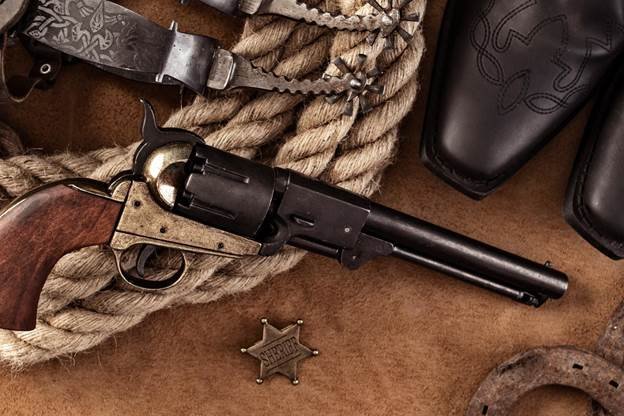
A vintage firearm carries more than the characteristics of its original design. Its materials, markings, craftsmanship, and ownership history can reveal details about the period in which it was produced and the people who used or preserved it. For collectors considering whether to sell my gun or add a historical piece to their collection, understanding this journey offers a better appreciation of what makes vintage firearms significant.
Any part of the manufacturing process or any time a gun is handled can be a part of its history. That story must be preserved, and attention must be given both to the physical object and to the records that are in connection with it.
The Original Manufacturing Process
A vintage firearm’s history begins with its manufacture. During different periods, production methods reflected the materials, machinery, and engineering knowledge available at the time.
Earlier firearms often featured extensive hand-finishing and decorative details. Engraving, woodwork, metal finishing, and distinctive markings could vary between manufacturers and individual examples. As industrial manufacturing developed, production became more standardized, although craftsmanship continued to play an important role in many models.
Manufacturer names, proof marks, serial numbers, and other identifying features can help establish where and when a firearm was produced. These details are important to collectors because they provide a starting point for researching its background.
Original components and finishes can also give clues as to how a firearm has changed since leaving the factory. It may be modified, refinished or fitted with replacement parts that impact it’s historical authenticity and should be part of an evaluation process.
How Firearms Become Historical Collectibles
Not every vintage firearm becomes historically significant simply because of its age. Its importance may come from its design, rarity, manufacturer, production period, or association with a particular historical event.
Some models represent important developments in firearm engineering. Others are valued for their connection to military history, sporting traditions, or changing manufacturing practices.
A decorative element can give an additional dimension. Engraved firearms might, for instance, show the artistic tastes and the methods of manufacture of their time. An individual piece of detailed engraving can be distinctive, especially in the case of original pieces and when accompanied by a background.
The Importance of Historical Documentation
A firearm’s physical features tell only part of its story. Documents and photographs can provide additional evidence about its ownership and use.
Purchase records, military documents, estate inventories, correspondence, and previous sales records may help establish its history. Photographs can be particularly useful when they show identifiable markings or features that connect the firearm to a specific period or owner.
Documentation should be preserved alongside the item whenever possible. Collectors should also distinguish between verified information and stories that have not been independently confirmed. A historical claim becomes more meaningful when supported by reliable evidence.
If you are interested in a specific vintage gun, you will find that talking to experts and looking at their references can help you understand the gun’s manufacture, help you determine if there are variations, and can help you make sure that gun information you hear from is correct.
Preserving Vintage Firearms for Future Generations
Historical preservation involves protecting a firearm without unnecessarily changing its original character. Environmental conditions, improper handling, and unsuitable storage can gradually affect metal, wood, leather, and other materials.
Collectors should use secure storage appropriate to the firearm and its materials. Stable environmental conditions can help reduce deterioration, while periodic inspections may identify corrosion or other changes early.
Particular care needs to be taken in cleaning and restoration. Changes to the original parts or aggressive polishing may result in loss of detail which is important for historical value. In such instances, it is better to seek the advice of a gun restoration expert than to attempt to restore a gun in a way that goes beyond one’s capabilities.
Preserving supporting documents is equally important. Original photographs, certificates, correspondence, and ownership records should be stored carefully so that future collectors can continue researching the item’s history.
From Private Ownership to Historical Appreciation
A vintage firearm may pass through several owners during its lifetime. Each transfer creates an opportunity to preserve or lose important information. Accurate descriptions, photographs, and supporting documents help maintain continuity and make future research easier.
Collectors Firearms, serving the Greater Dallas area, provides a resource for people interested in collectible firearms and their historical background. Whether researching a potential acquisition or exploring options through a gun broker, collectors should consider authenticity, condition, documentation, and applicable legal requirements.

AC That Runs but Won’t Cool: A Mesa Homeowner’s Step-by-Step Diagnostic Guide
Pullover or Full-Zip at $110, and Where They Split

What to Know Before You Replace Your Roof: A Practical Guide for Homeowners

Who Is Keiko Fujimoto? All About Sunny Balwani’s Former Wife

Bandit Lee Way: Everything to Know About Gerard Way and Lyn-Z’s Daughter

Meet David Scott Simon: Alison Berns’ Husband and His Private Life
-
 Celebrity3 months ago
Who Is Keiko Fujimoto? All About Sunny Balwani’s Former Wife
-
 Celebrity3 months ago
Bandit Lee Way: Everything to Know About Gerard Way and Lyn-Z’s Daughter
-
 News2 months ago
Meet David Scott Simon: Alison Berns’ Husband and His Private Life
-

 Celebrity3 months ago
Who Is Fred Tillman? The Full Story of Kelly McGillis’s Former Husband
-

 News2 months ago
Meet Morgan Kay Beamer: The Todd Beamer’s Daughter
-

 News4 months ago
Meet Carol Marlow: The Full Story of Tony Dow’s Private Ex Wife
-

 Celebrity2 months ago
Who Is Alice Young? Meet Neil deGrasse Tyson’s Wife
-

 Celebrity3 months ago
Meet Kelly Stewart-Harcourt: The Story of Jimmy Stewart’s Daughter