
Blog
Professional Tree Pruning in Southern Maryland: Protecting Homes, Canopy, and Shoreline

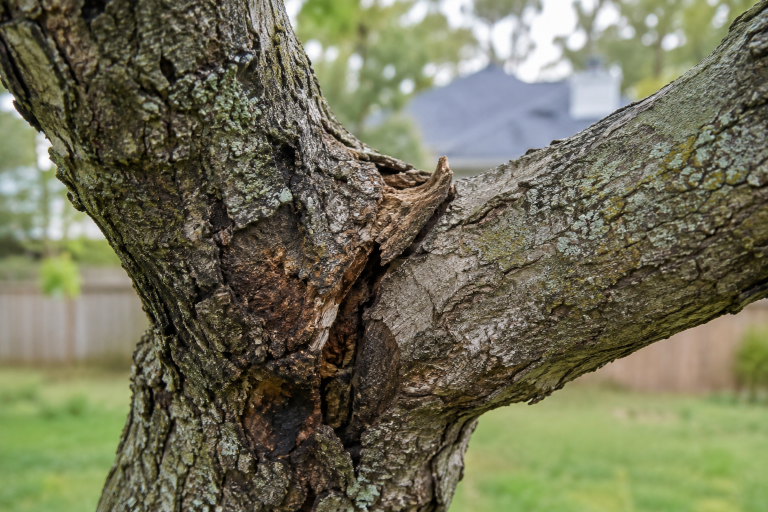
For many homeowners, the best time to address a questionable limb is before it becomes a storm emergency. Professional tree pruning in Calvert County, MD can help manage deadwood, roof clearance concerns, crossing limbs, and selected structural issues while preserving as much healthy canopy as practical. The right approach is selective and site-specific, not indiscriminate cutting.
Southern Maryland properties often combine mature trees with homes, decks, driveways, sheds, waterfront views, and wooded lot lines. From Dunkirk and Huntingtown to Prince Frederick, Lusby, Port Republic, Solomons, and Broomes Island, a tree should be evaluated in relation to its condition, its location, and what could be affected if a limb or trunk fails.
Why Local Tree Conditions Matter in Calvert County
Tree decisions are rarely one-size-fits-all. A mature oak in a protected backyard may have different needs than a pine standing on an open lot near the Bay or a tulip poplar extending over a roof. Wind exposure, soil moisture, past storm damage, branch structure, and proximity to people or property all affect the level of concern.
After periods of heavy rain, homeowners should pay attention to newly leaning trees, lifted soil near the base, exposed roots, or cracks in the ground around the trunk. Pruning can reduce the weight or length of selected branches, but it cannot repair a compromised root system or reverse serious trunk decay. An on-site assessment helps distinguish a manageable pruning need from a removal concern. Regular visual checks after storms can help document changes before they worsen.
Homeowners seeking a local Prince Frederick tree service can benefit from requesting an evaluation before branches touch the roofline, block access, or become difficult to remove safely. Early attention generally gives a crew more options for careful pruning and property protection. It may also help a homeowner plan maintenance before a limb interferes with routine use of the property. The goal is not to make a tree look artificially uniform, but to address identifiable concerns while retaining natural form, healthy foliage, and appropriate branch spacing.
Seasonal Timing Along the Bay and Patuxent Corridor
Southern Maryland’s seasons shape tree risk in ways that homeowners can plan around. Summer thunderstorms and humid afternoons can produce fast-moving gusts that snap limbs already weakened by drought or disease. Late-summer tropical systems and autumn nor’easters bring saturated soils and sustained winds, which can loosen roots in sandy or clay-heavy ground. Occasional winter ice storms can coat branches in heavy glaze, adding weight that stresses otherwise healthy wood. Each of these events can turn a minor defect into a serious hazard within a single night.
Spring leaf-out can also hide problems. Once the canopy fills in, dead branches and cracked unions become much harder to spot from the ground. Late winter or early spring, when the branch structure is still open, is often an excellent window for a thorough inspection. Scheduling work outside of peak bird nesting periods, which typically run through spring and early summer, is another practical consideration that a qualified arborist can help coordinate.
Waterfront lots along the Patuxent River, the creeks feeding into it, and the open Chesapeake shoreline face their own challenges. Salt-laden wind, shifting sandy banks, and periodic tidal flooding can undermine root zones over time. Trees on bluffs or eroding banks may begin to lean as the ground beneath them gives way, and trees near the water are often exposed to strong wind loading across open stretches of water. These conditions make an on-site evaluation especially valuable before a property owner decides between pruning and removal.
As neighborhoods across Charles, St. Mary’s, and Calvert counties have grown, many homes have been built closer to established trees that were already decades old. Clearance problems that once seemed minor now involve roof edges, driveways, detached garages, and overhead service drops. Revisiting the relationship between a tree and its surroundings every few years can help prevent a manageable situation from becoming an urgent one.
What Professional Tree Pruning Can Address
Proper pruning is the selective removal of branches or stems for a defined purpose. According to guidance on pruning trees in the home landscape, common reasons for pruning include removing hazardous branches, creating needed clearance, managing size, and improving tree appearance. A tree professional may recommend one or more of the following services.
- Deadwood removal: Removing dead, broken, or hanging branches that could fall.
- Clearance pruning: Creating space around roofs, gutters, siding, driveways, decks, and walkways.
- Structural pruning: Addressing selected crossing limbs, poorly spaced branches, or weak branch attachments.
- Crown reduction: Reducing the length of specific limbs through appropriate cuts when a limited reduction is suitable.
- Storm-damage pruning: Removing broken or partially attached limbs after severe weather has passed.
Every cut changes a tree. That is why an experienced crew should assess the full crown rather than simply remove whichever branches appear longest from the ground. A careful plan considers the tree’s health, species, size, surrounding targets, and whether the remaining structure will still be sound.
Why Topping Is Not a Solution
Tree topping is not professional pruning. It involves cutting large branches or the upper portion of a tree back indiscriminately, often leaving stubs. This practice can lead to weak new growth, large wounds, and an unnatural structure. If a tree has outgrown its available space, a professional should determine whether targeted crown reduction is appropriate or whether removal is the safer long-term choice.
For Southern Maryland homeowners, this distinction matters when a tree towers above a house, garage, or waterfront deck. Removing too much canopy at once can stress a tree without solving the underlying issue. A tree with significant decay, a split trunk, or root movement requires a broader risk assessment rather than an aggressive trimming job.
When to Call for Routine Service or Emergency Help
Routine Pruning Signs
- Branches are beginning to contact a roof, gutter, fence, or structure.
- Dead limbs are visible in the canopy.
- Low branches obstruct vehicles, foot traffic, or lawn maintenance.
- Two major stems are growing closely together with a narrow attachment.
- A storm left minor damage that does not create an immediate hazard.
Urgent Warning Signs
- A tree or large branch is leaning over a home, road, or occupied area.
- A limb is cracked, hanging, or partially detached.
- The trunk has split, or the soil and root plate have shifted.
- A tree has fallen on a building, vehicle, driveway, or access route.
- Branches or trees are in contact with energized utility lines.
When power lines are involved, keep people and pets away from the area and contact the utility provider or emergency services as appropriate. Do not attempt to cut, move, or pull branches away from electrical equipment.
Permits and Chesapeake Bay Critical Area Considerations
Southern Maryland’s waterfront and wetland-adjacent properties can involve additional planning. The Chesapeake Bay Critical Area program oversees protections for land around tidal waters and wetlands, so homeowners should confirm applicable local requirements before authorizing major removal or clearing work. Official approval comes from the relevant government authority, not from a tree service provider.
Before scheduling work, ask whether permits, replacement planting, access limitations, or other site conditions could affect the project. This is especially important for substantial removal, land clearing, or projects near sensitive shoreline areas.
What to Expect From an On-Site Assessment
A useful estimate should begin with a close look at the property. The crew can identify nearby roofs, vehicles, fences, utility lines, landscaping, and neighboring structures. They can also look for deadwood, cavities, damaged bark, cracks, weak branch unions, canopy imbalance, and clearance issues.
A local provider offers tree pruning, tree removal, emergency tree service, stump grinding, storm cleanup, land clearing, forestry mulching, and commercial tree services across Southern Maryland. A professional assessment can help determine whether selective pruning, removal, debris cleanup, stump work, or monitoring is the more suitable recommendation for the tree and site.
Choose a Tree Service With a Clear Plan
When comparing providers, ask for an explanation of the recommended work, how the crew will protect the property, what cleanup includes, and whether stump grinding is included or separate. It is also reasonable to ask about insurance, service coverage, estimated scheduling, and how the team handles trees near structures or utility lines.
Whether your property sits near the shoreline in Solomons, on a wooded lot outside Huntingtown, or along a quiet road in Port Republic, a written plan tailored to your trees and your site is the best foundation for a safe and lasting result.

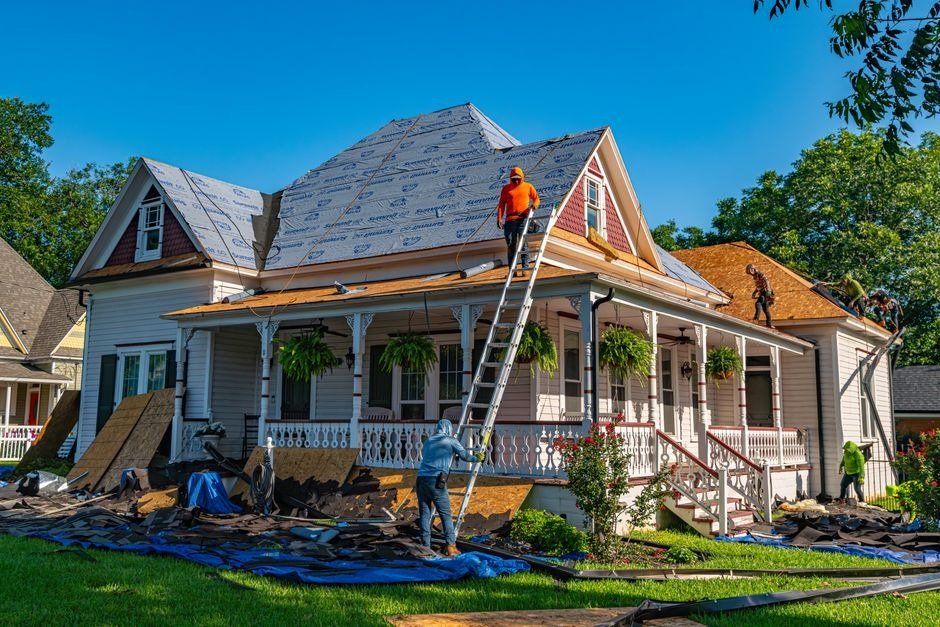
If you’re thinking about replacing your roof, you’re probably balancing cost, timing, and a lot of mixed advice. A roof replacement affects your home’s structure, energy performance, insurance profile, and resale appeal all at once. In a place like Annapolis, where coastal moisture, storms, and seasonal temperature swings put steady pressure on roofing systems, the decision gets even more important. You need clear information, realistic expectations, and a smart plan before any shingles come off.
Annapolis Homes Need Roofing Choices That Fit Local Weather Conditions
Roofing decisions should match the climate your home actually faces. In Annapolis, roofs deal with humidity, salt-laced coastal air, heavy rain, wind-driven storms, and summer heat that bakes exposed surfaces for hours.
That combination can wear down lower-grade materials faster than many homeowners expect. If you’re comparing contractors for an Annapolis replacement roof, ask specific questions about wind ratings, algae resistance, flashing methods, and attic ventilation design suited to local conditions.
You should also think about your home’s architectural style and slope. A steep roof sheds water differently than a low-slope section over a porch or addition. In older Annapolis-area homes, rooflines can be more complex, which raises the importance of installation precision around dormers, hips, and penetrations.
Start by Knowing What a Full Roof Replacement Actually Includes
A full roof replacement is more than tearing off old shingles and nailing down new ones. You’re dealing with the outer covering, underlayment, flashing, ventilation components, drip edge, and sometimes damaged roof decking underneath.
If a contractor only talks about shingle color and price per square, that’s a red flag. The real performance of your roof often depends on the less visible parts. Poor flashing around chimneys or valleys can create leaks even with premium shingles.
You should also ask whether the crew plans a complete tear-off or an overlay. Overlays cost less upfront, but they can hide moisture damage and shorten the roof’s service life. For most homes, a full replacement gives you a cleaner starting point and better long-term reliability.
Watch for the Signs That Repair Is No Longer the Smart Option
A lot of homeowners wait too long because the roof isn’t actively pouring water into the house. That delay can get expensive fast. A failing roof often gives smaller warnings first.
Look for curling shingles, granule loss in gutters, dark streaks, recurring leaks, soft spots, and moss growth that keeps coming back. Inside the house, check the attic for damp insulation, staining, or daylight showing through boards.
Age matters too. Many asphalt shingle roofs start declining around the 20- to 25-year range, though weather exposure and installation quality can speed that up. If you’re paying for repeated repairs every storm season, replacement may be the more efficient use of your money. At some point, patchwork stops being maintenance and starts becoming waste.
Material Selection Affects More Than Just How the Roof Looks
Asphalt shingles remain the most common option because they balance affordability, durability, and design flexibility. Still, not all asphalt products perform the same. Architectural shingles generally offer better dimensional stability and wind resistance than basic three-tab versions.
You may also see options like metal roofing, synthetic slate, or cedar alternatives depending on your budget and neighborhood style. Each material has trade-offs in cost, maintenance, weight, and expected lifespan.
Color matters more than people think. Darker shingles can absorb more heat, while lighter tones may help with solar reflectance. Manufacturer warranties matter too, but only if the installation meets required standards. A strong product installed badly won’t protect your home for long. Material choice should fit your structure, your climate exposure, and your long-term ownership plans.
The Estimate Should Spell Out Scope, Not Just Price
A low bid can look attractive until you realize key details were never included. You should expect a roofing estimate to break down tear-off, disposal, decking replacement terms, underlayment type, flashing work, ventilation upgrades, shingle brand, warranty coverage, and cleanup.
If the proposal feels vague, ask for clarification in writing. Ambiguity during bidding often turns into change orders later. You also want to know who is actually doing the installation. Some companies sell the job, then subcontract everything.
Ask about licensing, insurance, and permit handling. Ask how they protect landscaping, driveways, and siding during the project. A professional estimate reflects operational discipline, not just sales ability. When a contractor explains scope clearly, you get a better sense of how the work will unfold and where your money is going.
Ventilation and Decking Problems Can Change the Entire Project
Homeowners often budget for shingles and forget what’s under them. Once the old roof comes off, hidden issues can appear. Rotten decking, trapped moisture, mold, and sagging sections are common surprises, especially in aging homes.
Ventilation is another major issue. If your attic holds excess heat and moisture, your new roof can age prematurely from the inside out. Ridge vents, intake vents, and proper airflow balance help regulate temperature and reduce condensation.
This part of the project isn’t flashy, but it has a direct effect on roof longevity and indoor comfort. Better ventilation may also support energy efficiency by reducing attic heat buildup in warmer months. When a contractor checks the whole roof assembly instead of just the surface material, you’re more likely to get a roof system that performs the way it should.
Timing, Insurance, and Daily Disruption Deserve More Attention
A roof replacement usually takes only a few days, but planning still matters. Weather delays, material delivery timing, and permit approvals can affect the schedule. If you work from home, have pets, or care for young children, the noise and vibration may be more disruptive than you expect.
Insurance can also shape the process. If storm damage is involved, document everything early with photos, interior leak evidence, and notes from inspections. Don’t assume every aging roof issue qualifies for coverage. Wear and tear is treated differently from sudden damage.
You should also ask when payment is due, what deposit is required, and how final walkthroughs are handled. Good roof replacement planning includes logistics, not just construction. A smoother project usually comes from clear expectations set before the first dumpster arrives.
A Better Roof Replacement Decision Comes From Asking Better Questions
The smartest homeowners aren’t roofing experts. They just know how to slow down and ask useful questions. What materials fit the house and the climate? What hidden costs might come up? How will ventilation be handled? What warranty protection is actually meaningful?
A roof replacement is one of those home projects where shortcuts stay hidden until the next major storm. That makes contractor quality and system design more important than a flashy brochure or a fast quote.
If you approach the process with a clear checklist and realistic expectations, you put yourself in a much stronger position. You’re not only buying shingles. You’re investing in structural protection, comfort, resale value, and fewer future headaches. That’s the standard your next roof should meet.
Blog
Indoor-Outdoor Living in Austin, Texas: Designing Patios, Porches, and Balconies for Local Life
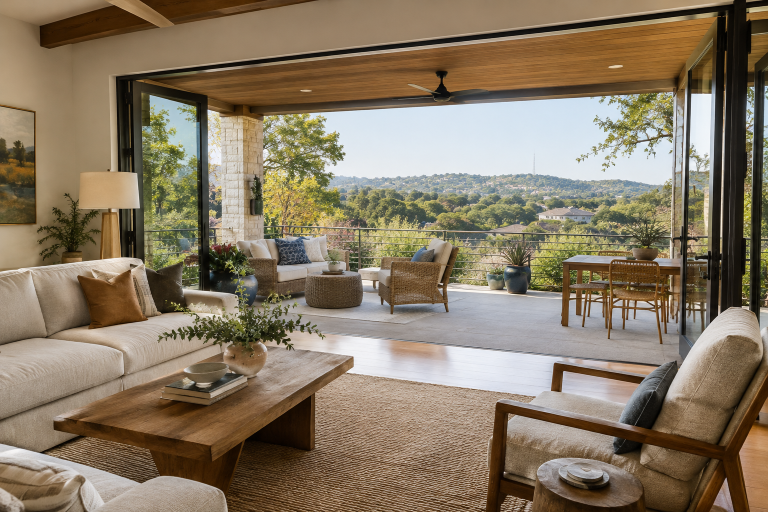
In Austin, Texas, indoor-outdoor living is less about creating a picture-perfect patio and more about making everyday life flow easily from the kitchen, living room, or home office into a porch, balcony, or backyard. Whether the home has a compact Clarksville courtyard, a shaded Central Austin deck, or a larger Hill Country-facing yard, high end furniture in Austin, TX can help establish an outdoor area that feels as welcoming and intentional as the rooms inside.
The best results begin with real habits. Think about where coffee happens in the morning, where friends gather after a concert or game, and where family members want to cool down, read, cook, or simply enjoy an evening outdoors. A useful Austin outdoor room should support those moments while standing up to bright sun, changing temperatures, wind, and rain.
Why Indoor-Outdoor Living Matters in Austin
Austin homes often serve several roles at once: a place to work, recharge, host visitors, share meals, and enjoy time outside. That makes patios and porches valuable living space rather than leftover square footage. Current design conversations emphasize comfort, adaptable rooms, wellness, and smarter use of smaller homes, themes reflected in ideas centered on flexible living. The connection does not require a major renovation. It requires a layout that naturally invites people outdoors.
Start With How the Space Will Be Used
Before choosing a sofa, dining set, or rug, identify the space’s main job. A narrow condo balcony may be ideal for two lounge chairs and a small drink table, while a covered patio may need room for family dinners. Trying to squeeze every possible activity into a modest footprint usually makes it less comfortable. Leave clear walking room from the door to the seating area, grill, garden gate, or steps.
When comparing furniture shops in Austin, TX, bring basic measurements and a simple list of priorities. Note where afternoon sun lands, where rain blows in, and where people naturally walk. Those observations make it easier to choose pieces that fit the home instead of forcing the home to fit the furniture.
Ask These Planning Questions
- Will the area be used mostly for meals, lounging, work, entertaining, or gardening?
- Does it need one focused zone or two smaller zones?
- Which times of day feel too sunny, windy, or exposed?
- Where can cushions, throws, and portable items be stored?
- Can guests move through the area without weaving around furniture?
Create a Visual Connection From Inside to Out
A strong transition feels deliberate but not overly matched. Repeat one or two elements from the adjoining room outdoors, such as warm wood tones, woven textures, soft neutrals, broad green accents, or curved silhouettes. A living room with natural fibers and relaxed upholstery might connect beautifully with a patio featuring woven chairs, ceramic planters, and weather-ready cushions in complementary colors.
Keep the threshold clear. Large planters, stacked accessories, and crowded furniture directly in front of a sliding or French door can make the outdoor area feel disconnected. Instead, let a rug, a view of foliage, or a well-placed seating group guide the eye outward. The goal is not to erase the boundary between indoors and outdoors. It is to make crossing it feel effortless.
Choose Furniture for Comfort and Flexibility
Outdoor furniture should encourage people to stay awhile. Deep seating works well for relaxed conversation, while lightweight chairs can be moved for a larger gathering. Modular seating is useful for households that alternate between quiet weekends and casual entertaining. For smaller Austin patios, consider a storage bench, nesting tables, or a compact table that can hold dinner, drinks, a laptop, or a book without consuming the whole floor.
Measure first, including the space needed to pull out chairs and pass behind them. A generous-looking sectional can feel inconvenient if it blocks the only route from the house to the yard. It is better to choose fewer comfortable pieces than to fill every corner.
Make Shade Part of the Design
Shade is one of the most important comfort features for outdoor living in Austin. An umbrella can offer flexibility around a dining table. A pergola can define an open-air room. Retractable awnings, shade sails, outdoor curtains, and planted screens can also soften direct light while adding structure. Watch the space at different times before committing to a permanent solution, because the morning and late-afternoon sun may call for different coverage.
Shade also protects the space’s experience. It can create a calmer reading corner, make a dining area more usable, and reduce the temptation to retreat indoors during the brightest part of the day. Choose the furniture layout with the shade plan in mind, not as an afterthought.
Layer Lighting for Evenings Outside
Good lighting extends a patio’s usefulness after sunset without making it feel harsh. Use task lighting near a grill, outdoor counter, steps, and dining table. Add ambient lighting through wall fixtures, lanterns, or string lighting placed with restraint. Accent lighting can draw attention to a limestone wall, a mature tree, a planter, or an architectural detail. Portable rechargeable lamps are especially helpful when the layout changes often.
Outdoor design professionals increasingly treat lighting as part of the room itself, not merely a safety add-on, and outdoor lighting plans that extend living space illustrate why a layered approach matters. Aim light downward where possible, avoid exposed glare, and keep fixtures positioned so guests can see one another comfortably.
Select Materials That Handle Real Life
Choose materials based on maintenance needs and exposure, not appearance alone. Performance fabrics, powder-coated metal, sealed wood, stone, ceramic, and weather-ready finishes can all be practical options when properly cared for. Read product guidance carefully, because water resistance, fade resistance, stain resistance, and all-weather suitability are not the same thing.
- Clean spills and pollen from cushions before stains settle.
- Keep drainage paths open beneath rugs, planters, and furniture.
- Check screws, fasteners, and finish wear at the beginning of each season.
- Use covers or indoor storage for loose items during severe weather.
Make a Small Patio or Balcony Feel Larger
Small Austin outdoor spaces benefit from editing. Select one primary purpose, keep as much floor visible as possible, and use vertical planting rather than covering every edge with pots. One substantial focal point, such as a sculptural planter, a small bistro set, or a pair of comfortable lounge chairs, often feels calmer than many decorative objects. Repeating a color or finish from the adjoining interior also helps a compact exterior feel like part of a larger whole.
Plan for Changing Seasons
A flexible setup makes the space easier to enjoy year-round. Removable cushions, weather covers, outdoor curtains, fans, heaters, and portable lighting allow the area to adapt as conditions change. Evergreen structure, seasonal containers, and easy-care plants can keep the view appealing even when the furniture is simplified. Prioritize details that make the space usable over details that only photograph well.
Common Questions About Indoor-Outdoor Design
Does outdoor furniture need to match indoor furniture?
No. A coordinated look is more important than an exact match. Shared colors, textures, shapes, or wood tones can make different pieces feel connected.
What should be chosen first, furniture or shade?
Consider shade early because it affects where people will want to sit, how long the space can be used, and which materials make sense.
How much lighting does an outdoor room need?
Most spaces need soft overall light plus focused illumination near activity areas. The right amount is enough for comfort and safety without overpowering the evening atmosphere.
Final Planning Checklist
- Measure the area and protect main walking paths.
- Track sun, shade, wind, and rain exposure.
- Choose a primary purpose for each zone.
- Select comfortable furniture that fits without crowding.
- Add shade and lighting before extra accessories.
- Choose materials that suit the level of care you can provide.
- Plan storage, drainage, and seasonal protection.
Conclusion
A comfortable indoor-outdoor home in Austin does not depend on a huge yard or a complete remodel. It comes from a clear purpose, thoughtful movement, reliable comfort, and a few details that make people want to step outside. When furniture, shade, lighting, and materials work together, a patio, porch, or balcony becomes a genuine extension of daily life.
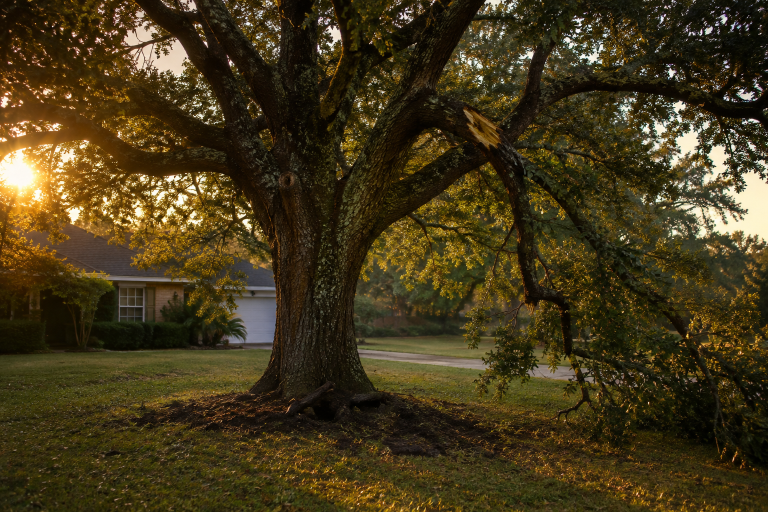
Pensacola, FL property owners can reduce tree-related storm risks by having concerning trees assessed before strong winds and heavy rain turn a manageable issue into an emergency. D’s Trees helps homeowners and commercial property owners evaluate hazardous limbs, weak tree structure, storm damage, root concerns, and trees positioned close to roofs, driveways, fences, and other important areas.
Not every mature tree needs to be removed. Healthy trees contribute shade, character, habitat, and comfort to Pensacola neighborhoods. The important question is whether a particular tree has defects, damage, or placement concerns that create an unreasonable risk. A professional assessment can help distinguish between a tree that may benefit from pruning or support and one that should be removed for safety. It can also help owners prioritize work, since a minor issue in an open portion of a yard may not require the same response as a similar defect above a frequently used driveway or entryway.
Why Tree Hazards Matter in Pensacola
Pensacola’s Gulf Coast setting brings periods of high wind, intense rainfall, lightning, and saturated ground. These conditions can expose weaknesses that may not be obvious during dry, calm weather. A large branch with internal decay, a trunk with a weak union, or roots affected by construction can become more dangerous when soil is wet and the canopy is moving in strong wind.
Research following Hurricanes Erin and Opal in the Florida Panhandle found that tree failure varied by species, size, health, and other site conditions. That is why it is unwise to judge a tree only by whether it still has green leaves. A tree can appear alive while still having structural issues that call for a closer inspection.
Pensacola’s landscape adds its own challenges. Many neighborhoods sit on sandy soils that drain quickly but offer limited anchorage for deep roots, and a high water table can leave the root zone saturated for long stretches during summer thunderstorm season. Older live oaks shading established streets often have heavy limbs that extend over roofs and power lines, while pines common across the surrounding Panhandle can be vulnerable when storms bring sustained wind through residential lots. Property owners near Escambia Bay and Pensacola Bay should also consider how salt spray and tidal flooding affect tree health over time, since stressed trees can decline more quickly after repeated exposure. Each of these factors makes a tree’s history and surroundings as important as its appearance.
Warning Signs That Should Not Be Ignored
Property owners should look over their trees from the ground after severe weather and during routine yard care. Never climb or cut a questionable tree yourself. Ask for an assessment when you notice:
- Large dead, broken, or hanging limbs over a roof, driveway, sidewalk, play area, or street.
- A tree that has recently begun leaning or has soil lifting around the base.
- Cracks in major limbs, trunk splits, cavities, soft wood, or visible fungal growth.
- Two or more trunks joined at a narrow or visibly weak attachment point.
- Roots damaged by excavation, paving, drainage changes, or nearby construction.
- Branches rubbing against a building, roofline, communications cable, or utility line.
- Unusual dieback, sudden leaf loss, insect activity, or damage remaining after a storm.
Homeowners across the bay who need coastal storm preparation can also look to this Gulf Breeze tree service option for professional tree care and hazardous-tree decisions.
Choosing Pruning, Support, or Removal
The right service depends on the whole tree and what it could strike if it fails. Tree trimming may be appropriate for deadwood, selected overextended branches, roof clearance, and damaged limbs. Proper pruning is targeted work, not indiscriminate cutting. Excessive topping or poorly planned cuts can weaken a tree and create more problems later. A qualified recommendation should also account for the tree’s species, remaining canopy, past pruning history, and whether the work can be completed without creating new clearance or stability concerns.
Cabling and bracing may be considered when a tree has a structural weakness but remains a reasonable candidate for preservation. When there is severe decay, major root failure, an uncorrectable crack, or a high likelihood of striking a home or occupied area, removal can be the safer choice. Large trees in narrow side yards or between structures may require crane service and careful rigging rather than a simple drop-and-cut approach.
Preparing Pensacola Trees Before Hurricane Season
The best time to address a hazard is before an approaching storm puts crews, residents, and nearby property at risk. A pre-storm plan may include an arborist consultation, tree risk assessment, selective trimming, removal of dead or severely compromised trees, stump grinding, land clearing, or support systems for suitable trees.
According to guidance on preparing trees for hurricanes, root damage, restricted root zones, disease, insect problems, and poor growing conditions can make trees more susceptible to toppling. The guidance also emphasizes correct pruning and professional evaluation for large trees with defects that may not be visible from the ground.
Pensacola’s residential lots often pack large trees close together, especially in older neighborhoods near the bayous and along the waterfront. When several mature trees lean on one another, a failure in one can damage neighboring trees, fences, and structures. Reviewing the entire property before a storm, including trees on adjacent lots that may overhang a fence line, helps property owners set priorities. Scheduling work early also avoids the crowded calendars that follow a major storm, when demand for emergency crews and equipment rises across the region. Clear records of each tree, its condition, and its distance from structures can also simplify insurance conversations after a storm.
What to Do After a Storm
After a Pensacola storm, prioritize personal safety and access. Keep children, pets, and visitors away from hanging limbs, split trunks, uprooted trees, and damaged structures. Photograph visible damage from a safe distance if documentation may be needed, but do not stand beneath broken branches or enter a drop zone. If a tree has shifted but remains standing, avoid assuming it is stable simply because the trunk has not fallen; movement at the base or new cracking can indicate a continuing hazard.
Assume every downed power line is energized, and stay away from the tree, fence, puddle, or object it may be touching. OSHA notes that downed electrical conductors can energize nearby objects, including trees and branches. Tree trimming near electrical lines requires qualified personnel, especially when storm damage creates uncertain conditions.
Why Professional Equipment and Planning Matter
Tree work becomes more complex when a tree is close to a home, vehicle, fence, pool enclosure, road, or utility corridor. Arborist-led planning helps identify the target, evaluate the tree’s condition, choose a work sequence, and determine whether specialized equipment is necessary. D’s Trees provides tree removal, tree trimming, stump grinding, arborist consultations, tree risk assessments, cabling and bracing, brush hogging, wood chips, lot clearing, crane service, and emergency tree response for Northwest Florida properties.
Questions to Ask When Comparing Tree Services
- Will the company evaluate the tree’s structure and the surrounding targets before recommending work?
- Can it handle a large removal in a limited-access area with appropriate equipment?
- Does the scope clearly explain whether the work is pruning, support, monitoring, or removal?
- Can the crew address storm-damaged limbs, debris, and access issues after severe weather?
- Will the company help identify when municipal permits or coordination may be needed?
Schedule a Pensacola Tree Risk Assessment
Waiting for the next major storm is rarely the best way to learn whether a tree has a serious defect. A timely inspection gives Pensacola property owners a practical plan for preserving sound trees, correcting manageable problems, and removing serious hazards before they threaten people or property.
LOCATION: D’s Trees | 4499 Woodbine Rd, Pace, FL 32571 | (850) 999-0110 | https://ds-trees.com/
Frequently Asked Questions
Should every leaning tree be removed?
No. Some trees naturally grow with a lean. However, a recent lean, lifted roots, cracked soil, trunk damage, or a lean toward a structure should be professionally evaluated.
How often should mature trees be inspected?
Inspection needs vary with a tree’s age, condition, location, previous storm damage, and nearby construction. Prompt assessment is appropriate whenever a new defect, unusual decline, or storm-related damage appears.
Can a damaged tree sometimes be saved?
Yes. Some trees can be restored through careful pruning or structural support. Others may be too compromised to manage safely, which is why a site-specific assessment is important.
Do Pensacola’s storms require a different approach to tree care?
Local conditions play a large role. Sandy soils, saturated ground during summer rains, and frequent high winds all influence how roots anchor and how limbs respond to load. A site-specific assessment that considers these conditions is more useful than a general rule applied to every tree.
Pullover or Full-Zip at $110, and Where They Split

What to Know Before You Replace Your Roof: A Practical Guide for Homeowners

Indoor-Outdoor Living in Austin, Texas: Designing Patios, Porches, and Balconies for Local Life

Who Is Keiko Fujimoto? All About Sunny Balwani’s Former Wife

Bandit Lee Way: Everything to Know About Gerard Way and Lyn-Z’s Daughter

Meet David Scott Simon: Alison Berns’ Husband and His Private Life
-
 Celebrity3 months ago
Who Is Keiko Fujimoto? All About Sunny Balwani’s Former Wife
-
 Celebrity3 months ago
Bandit Lee Way: Everything to Know About Gerard Way and Lyn-Z’s Daughter
-
 News2 months ago
Meet David Scott Simon: Alison Berns’ Husband and His Private Life
-

 Celebrity3 months ago
Who Is Fred Tillman? The Full Story of Kelly McGillis’s Former Husband
-

 News2 months ago
Meet Morgan Kay Beamer: The Todd Beamer’s Daughter
-

 News4 months ago
Meet Carol Marlow: The Full Story of Tony Dow’s Private Ex Wife
-

 Celebrity2 months ago
Who Is Alice Young? Meet Neil deGrasse Tyson’s Wife
-

 Celebrity3 months ago
Meet Kelly Stewart-Harcourt: The Story of Jimmy Stewart’s Daughter