
Health & Fitness
Nursing as a Second Career: What Really Changes When You Enter Healthcare

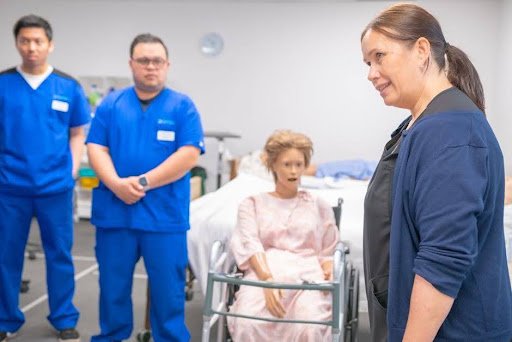
Switching careers into nursing can look dramatic from the outside, but for many people it begins with something quieter: burnout, boredom, or the feeling that work no longer connects to anything meaningful. Nursing stands out because it combines technical skill, steady demand, and direct human impact. If you’re considering a second career, look beyond generic advice and examine daily responsibilities, training, finances, and long-term fit before making the change.
Why Nursing Appeals to Mid-Career Adults
A second-career move is often less about chasing a dream job and more about correcting a mismatch. Nursing appeals to people who want tangible outcomes, structured progression, and a clearer sense of purpose.
Healthcare also offers employment across many settings. Registered nurses work in hospitals, outpatient clinics, schools, rehabilitation centers, public health, insurance review, and telehealth. That range matters when you’re not simply experimenting with a first job. You may be looking for mobility, a recognized credential, and a realistic route into a new profession.
Previous experience can help, too. Communication, judgment, reliability, and emotional control often transfer well, even when your résumé has little connection to medicine.
The Education Path May Be More Direct Than You Expect
One reason nursing appeals to career changers is that several educational routes are available. If you already hold a bachelor’s degree in another field, an accelerated Bachelor of Science in Nursing program may provide a focused route. Associate degree programs are another option, and some employers support further education after hiring.
Your first hurdle is usually prerequisite coursework, which may include anatomy, physiology, microbiology, statistics, or developmental psychology. Admission can be competitive. After acceptance, expect clinical placements, simulation labs, intensive coursework, and preparation for the NCLEX-RN licensing examination.
The process is demanding, but its stages are generally clear. You can map the sequence, estimate the timeline, and budget for expenses. If you’re weighing choosing nursing vs other jobs, consider that nursing has a defined educational and licensing pathway, even though the workload can be intense.
What Daily Nursing Work Actually Feels Like
Picture the job accurately before committing to prerequisites and tuition. Nursing involves compassion and patient advocacy, but also charting, medication administration, shift handoffs, infection prevention, triage, and constant prioritization.
A hospital shift may involve assessing several patients, noticing subtle changes in their condition, coordinating with physicians, documenting in an electronic health record, and responding to family concerns. Outpatient care may have a steadier pace, while long-term care can involve deeper relationships and demanding staffing conditions.
That combination attracts many career changers. You’re not just helping people in the abstract. You’re using clinical reasoning, procedural skills, and interpersonal judgment at the same time. The Bureau of Labor Statistics overview of registered nurses describes common duties and work settings, offering a practical picture of the profession beyond its public image.
Money, Scheduling, and the Trade-Offs
Career changes are emotional decisions, but practical details determine whether the transition remains manageable. Nursing compensation varies by specialty, location, experience, and care setting. Some positions offer shift differentials, overtime, benefits, or opportunities to move into specialized roles.
However, twelve-hour shifts can be physically demanding. New nurses may work nights, weekends, holidays, or rotating schedules. Childcare, eldercare, transportation, and recovery time all deserve attention before you enroll or accept a position.
Budget for more than tuition. Include licensing fees, uniforms, books, immunizations, background checks, exam preparation, transportation, and income you may lose while studying. Build a realistic transition budget rather than assuming that future earnings will quickly offset every expense.
Your Previous Career May Be an Advantage
A common mistake is assuming that a career changer starts from zero. Teachers may bring strengths in patient education. Hospitality professionals often understand conflict resolution and service recovery. Office managers may be comfortable with documentation, coordination, and competing priorities.
People from customer service roles may bring strong communication and situational awareness. Those with science or engineering backgrounds may feel comfortable with systems thinking and technical material. These abilities do not replace clinical training, but they can make parts of the transition easier.
Employers value professionalism, accountability, teamwork, and the ability to communicate with different people. Your previous career can provide evidence of those qualities. The challenge is learning how to apply them in a clinical environment where decisions can directly affect patient safety.
The Emotional Reality Goes Beyond Coursework
Many applicants expect science classes to be the hardest part. The emotional demands can be just as challenging. Nurses regularly encounter pain, fear, uncertainty, aging, and death. Even in lower-acuity settings, they support people during difficult moments.
That work can be meaningful, but repeated exposure to distress can also be exhausting. Compassion fatigue, moral distress, and burnout are real occupational concerns. Before entering the profession, consider how you recover after intense interactions, respond to conflict, and seek support when situations become difficult.
The American Nurses Association’s resources on nurse well-being discuss workplace health and safety issues affecting nurses. They are useful for understanding why personal resilience should be supported by healthy working conditions, adequate staffing, and access to help.
Purpose alone is not enough to protect you from exhaustion. Sustainable practice also depends on boundaries, supportive colleagues, and realistic expectations.
Test the Decision Against Your Actual Life
Admiring nurses is different from building a life around nursing. Discuss the transition with family members who may be affected by changes to your time and finances.
Then investigate the work directly. If possible, speak with nurses in acute care, ambulatory care, home health, and case management. Ask what surprised them, how documentation affects their day, and what they wish they had known before enrolling. Pay attention to workload and staffing, not only the rewarding moments.
A strong second career is one you can sustain across years, shifts, and changing responsibilities. Nursing can offer skill development, varied employment settings, and meaningful human connection. The best decision comes from understanding both its opportunities and its demands, then deciding whether they fit the life you want to build.

You can strengthen your disability claim by providing complete medical records, maintaining consistent treatment, documenting how your condition affects daily activities, and submitting accurate information during the application process. Strong supporting evidence helps demonstrate the severity of your condition and explains why it prevents you from working. Taking these steps early can reduce delays and improve your chances of receiving disability benefits.
However, preparing a disability claim can involve complicated paperwork, medical requirements, and strict deadlines. Consulting a disability denial attorney can help you understand the application process, identify missing evidence, address potential problems, and respond to a denied claim. Legal guidance can also help ensure that your application clearly explains how your medical condition affects your ability to work.
In this article, we will discuss practical steps you can take to strengthen your disability claim and avoid common mistakes that could affect your chances of approval.
1. Gather Complete Medical Records
Medical evidence is one of the most important parts of a disability claim. Your records should clearly establish your medical condition, its severity, and how it affects your ability to perform work-related activities.
Collect relevant documents, including:
- Medical reports and diagnoses.
- Hospital and treatment records.
- Test results, scans, and laboratory reports.
- Prescription and medication records.
- Notes from specialists and treating physicians.
Make sure your records are updated and cover the period relevant to your disability application.
2. Follow Your Prescribed Treatment Plan
Consistent medical treatment helps demonstrate that you are actively managing your condition. Attend scheduled appointments, follow your doctor’s recommendations, and maintain records of your treatment. If you cannot follow a particular treatment because of its cost, side effects, or other circumstances, discuss the issue with your healthcare provider. Documenting these challenges can help explain gaps in your medical history.
3. Document How Your Condition Affects Daily Life
A medical diagnosis alone may not explain how your disability limits your ability to work. You should provide specific examples of how your condition affects everyday activities and work-related responsibilities.
For example, explain whether you have difficulty:
- Standing or walking for extended periods.
- Lifting, carrying, or moving objects.
- Concentrating on tasks or remembering instructions.
- Sitting for long periods.
- Completing routine household activities.
A daily symptom journal can help you record pain levels, physical limitations, medication effects, and changes in your condition.
4. Provide Accurate and Consistent Information
Your disability application should contain accurate information about your medical history, employment, income, and daily limitations. Review every section before submitting the application.
Ensure that the information in your forms matches your medical records and other supporting documents. Inconsistent statements or missing details may raise questions during the review process and delay a decision.
5. Obtain Supporting Statements
Statements from people familiar with your condition can provide additional information about how your disability affects your daily life.
Family members, caregivers, and former coworkers may describe the physical or mental challenges they have personally observed. Your treating physician can also provide a medical opinion explaining your functional limitations and expected treatment needs.
These statements should be factual and consistent with your medical evidence.
6. Meet Important Deadlines
Disability applications and appeals often involve specific filing deadlines(statute of limitations). Missing a deadline can affect your ability to receive benefits or challenge an unfavorable decision.
Keep copies of submitted documents, note important dates, and respond promptly to requests for additional information. If your application is denied, review the decision carefully to understand the reasons and available appeal options.
Key Takeaways
- Complete and updated medical records help establish the severity of your disability and support your claim.
- Following your prescribed treatment plan demonstrates that you are actively managing your medical condition.
- Documenting daily limitations helps explain how your disability affects your ability to work.
- Accurate and consistent information reduces questions and potential delays during the application process.
- Meeting filing deadlines and seeking legal guidance can help you navigate disability applications and appeals.

When Fire Strikes Your Home: What to Do Next (And Who to Call)

When Your Backup Power Fails: Signs It’s Time for Generator Repairs

Why Dallas Homeowners Are Falling in Love With Their Kitchens Again

Bandit Lee Way: Everything to Know About Gerard Way and Lyn-Z’s Daughter

Who Is Keiko Fujimoto? All About Sunny Balwani’s Former Wife

Meet David Scott Simon: Alison Berns’ Husband and His Private Life
-
 Celebrity3 months ago
Bandit Lee Way: Everything to Know About Gerard Way and Lyn-Z’s Daughter
-
 Celebrity3 months ago
Who Is Keiko Fujimoto? All About Sunny Balwani’s Former Wife
-
 News3 months ago
Meet David Scott Simon: Alison Berns’ Husband and His Private Life
-

 Celebrity3 months ago
Who Is Fred Tillman? The Full Story of Kelly McGillis’s Former Husband
-

 News4 months ago
Meet Carol Marlow: The Full Story of Tony Dow’s Private Ex Wife
-

 News3 months ago
Meet Morgan Kay Beamer: The Todd Beamer’s Daughter
-

 Celebrity3 months ago
Who Is Alice Young? Meet Neil deGrasse Tyson’s Wife
-

 Celebrity3 months ago
Meet Kelly Stewart-Harcourt: The Story of Jimmy Stewart’s Daughter