
Business
Protecting Your Home from the Top Down: A Complete Guide to Roof Repair and Long-Term Roof Performance


A strong and dependable roof is essential for maintaining a safe, comfortable, and well-protected home. It acts as the first line of defense against rain, wind, intense sunlight, temperature changes, and other environmental conditions that can gradually weaken a building’s exterior. However, roofing materials are constantly exposed to natural wear, falling branches, moisture, and seasonal weather changes, which can eventually lead to cracks, loose shingles, damaged flashing, and water leaks. Even minor roofing defects can become serious concerns when they remain unaddressed because moisture may spread into insulation, wooden decking, ceilings, and interior walls. Professional roof repair helps homeowners identify these problems, restore damaged areas, and maintain the performance of their existing roofing systems without immediately committing to a complete replacement. Understanding the warning signs, repair methods, material options, and preventive maintenance practices can help property owners protect their investment and make informed decisions about their home’s long-term condition.
Understanding How Roofing Problems Develop
Roofing problems rarely appear without an underlying cause, and understanding how deterioration develops can help homeowners recognize the importance of regular inspections. Asphalt shingles may become brittle after years of exposure to sunlight, while strong winds can lift their edges or remove individual pieces entirely. Metal roofing systems may experience loose fasteners, damaged protective coatings, or problems around panel joints and penetrations. Flashing can deteriorate around chimneys, skylights, vents, and roof intersections, allowing water to enter areas that should remain protected. In addition, poor installation practices, blocked drainage systems, inadequate ventilation, and previous repairs that failed to address the original problem can contribute to recurring damage. Because these components work together to protect the building, a defect in one area may eventually affect other parts of the roofing assembly.Environmental conditions also influence how quickly roofing materials deteriorate. Repeated exposure to heavy rainfall can reveal weaknesses in seams and flashing, while strong winds may place additional pressure on shingles and other exposed components. Tree branches can scrape roofing surfaces, and accumulated leaves may retain moisture in valleys or interfere with proper drainage. Temperature fluctuations can cause certain materials to expand and contract, placing stress on joints and connections over time. Although homeowners cannot prevent every form of environmental damage, they can reduce avoidable risks through periodic inspections, proper drainage maintenance, and timely professional attention. Recognizing the conditions that contribute to roof deterioration makes it easier to identify vulnerable areas and address developing problems before they require more extensive work.
Early Warning Signs That Should Never Be Ignored
Recognizing early warning signs is one of the most effective ways to prevent roofing problems from becoming expensive structural concerns. Missing, cracked, curled, or displaced shingles can expose underlying layers to moisture and wind, while visible gaps around roof penetrations may indicate failing flashing or deteriorated sealing materials. Sagging areas, loose roofing components, rusted metal sections, and damaged roof edges should also be evaluated by a qualified professional. After a storm, homeowners may notice fallen branches, roofing debris, or changes in the appearance of the roof from the ground. These observations can provide useful clues about possible damage, but a professional inspection is often necessary to determine the full extent of the problem and establish which components require attention.Interior warning signs deserve equal consideration because roofing damage is not always visible from outside the property. Water stains on ceilings, peeling paint, bubbling drywall, damp insulation, and persistent musty odors may indicate moisture intrusion. Sometimes, water travels along rafters or other structural components before appearing inside a room, meaning the location of a stain may not correspond directly with the damaged roofing area. Homeowners should record when these symptoms appear, especially if they become more noticeable during or after rainfall. While condensation and plumbing leaks can produce similar symptoms, investigating the source promptly helps prevent incorrect assumptions and unnecessary repairs. Early assessment can reveal whether the problem involves roofing materials, flashing, ventilation, plumbing, or another part of the building.
Restoring Protection by Addressing Roof Leaks
Roof leaks require careful attention because even a small opening can allow water to enter the building repeatedly whenever conditions are suitable. Common causes include damaged shingles, deteriorated flashing, loose fasteners, defective valleys, damaged underlayment, and poorly sealed penetrations. Water may enter through one point and travel across the roof deck or along structural framing before reaching the ceiling, making the source difficult to identify without a systematic inspection. Simply covering a ceiling stain or applying sealant to an assumed entry point may not solve the problem if the actual defect is located elsewhere. A reliable repair begins with identifying how water enters the roofing system, evaluating the surrounding materials, and determining whether moisture has affected concealed components.The repair method depends on the type and extent of the damage. A limited leak caused by a damaged shingle may require replacing the affected material and checking nearby shingles for similar deterioration. A leak around a chimney or skylight may require repairing or replacing flashing and restoring the appropriate water-resistant connections. If water has damaged the underlying decking, the affected section should be assessed and repaired before the roofing surface is restored. Homeowners should also investigate whether blocked gutters, poor drainage, or ventilation concerns are contributing to the problem. Correcting the underlying cause is essential because temporary fixes can conceal continuing deterioration and lead to repeated service expenses. A properly completed repair should restore the intended protection of the roofing system and reduce the likelihood of the same leak returning.
Repairing Shingles and Other Damaged Roofing Materials
Shingles are exposed to changing weather throughout the year, making them vulnerable to cracking, curling, granule loss, and displacement. Wind can loosen shingles, while falling branches and other impacts may cause visible fractures or punctures. When roofing materials become damaged, water can reach the protective layers beneath them and gradually weaken the roof deck if the defect remains unresolved. The appropriate response depends on the age and condition of the surrounding roof. If damage is limited to a small area and nearby materials remain flexible, secure, and serviceable, replacing individual shingles may provide an effective solution. The replacement material should be compatible with the existing roofing system and installed according to the manufacturer’s specifications.However, replacing isolated shingles may not be sufficient when deterioration affects a large portion of the roof. Widespread curling, extensive cracking, repeated shingle loss, or substantial granule deterioration may indicate that the materials are approaching the end of their useful life. In such cases, homeowners should compare the likely cost of repeated repairs with the benefits of a more comprehensive roofing project. Metal panels, tile systems, and other roofing materials require different repair techniques, so the selected method must match the material and its installation design. Professional evaluation helps determine whether the damage is localized or part of a broader pattern of deterioration. This approach reduces the risk of investing in repairs that provide only temporary improvement while leaving more significant problems unresolved.
Why Flashing and Roof Edges Need Special Attention
Flashing protects vulnerable areas where roofing materials meet walls, chimneys, skylights, vents, and other structural features. These transitions require carefully designed connections because water can enter through gaps that would not normally exist across an uninterrupted roofing surface. Damaged flashing may become loose, corroded, separated, or improperly aligned, while deteriorated sealant can create openings around joints and penetrations. Roof edges also deserve attention because water can affect fascia boards, soffits, and underlying materials when drainage is inadequate or protective details fail. Although these components may occupy relatively small sections of the roof, their condition can have a significant effect on the performance of the entire system.Repairing these areas requires more than applying a layer of sealant over visible gaps. The professional must determine whether the flashing remains structurally sound, whether its overlaps direct water correctly, and whether adjacent roofing materials have been installed appropriately. Depending on the defect, the repair may involve securing loose components, replacing damaged metal, correcting the installation, or rebuilding part of the flashing assembly. Roof edges may also require attention if water has damaged the surrounding wood or if the existing drainage arrangement directs water toward vulnerable areas. Properly restoring these details helps reduce the risk of recurring leaks and protects the building’s exterior from avoidable moisture exposure.
Managing Storm Damage Before It Spreads
Storms can create several types of roofing damage, including lifted shingles, loose flashing, broken tiles, punctured roofing materials, and damage caused by falling branches. Heavy rainfall may expose existing weaknesses, while strong winds can displace components that previously appeared secure. Hail may also damage certain roofing products depending on the size of the hailstones, the impact conditions, and the material involved. Following severe weather, homeowners should look for visible changes from a safe location and pay attention to signs of water intrusion inside the property. They should avoid climbing onto a wet or damaged roof because unstable materials, slippery surfaces, and hidden structural weaknesses can create serious safety hazards.When storm damage is suspected, arranging a professional inspection can help determine which areas require immediate attention and whether temporary protection is necessary. Emergency measures may reduce further water entry while permanent repairs are planned, but they should not replace a proper assessment of the damaged roofing system. Homeowners may also benefit from taking photographs of visible damage and keeping records of inspection findings, repair estimates, and related expenses. These documents can help with future maintenance planning and may be useful when discussing a covered loss with an insurance provider. Prompt action is particularly important when the roof has been punctured, large sections of material are missing, or water is entering occupied areas because delays can allow the original damage to spread.
Improving Roof Ventilation and Moisture Control
Ventilation plays an important role in maintaining appropriate conditions within attic spaces and supporting the long-term performance of roofing materials. When an attic does not have a suitable ventilation arrangement, excess heat and moisture may accumulate under certain conditions. Moisture can come from indoor air escaping into the attic, building-related condensation, or leaks that have not been corrected. Over time, persistent dampness may contribute to wood deterioration, corrosion of metal components, or other material-related problems. Homeowners who notice condensation, musty odors, damp insulation, or recurring moisture concerns should consider having the attic and roofing assembly evaluated rather than assuming that the visible roofing surface is the only issue.A ventilation assessment should consider the entire roof design, existing insulation, air sealing, and applicable building requirements. Simply adding more vents does not automatically improve performance because airflow depends on how intake and exhaust openings work together. Poorly planned changes may fail to resolve the original problem or create additional airflow concerns. A professional can determine whether ventilation improvements are appropriate and identify any insulation or air-leakage issues that may contribute to moisture accumulation. Addressing these underlying conditions alongside necessary roofing work can help improve the reliability of the building envelope and reduce the chance of recurring moisture-related damage.
Maintaining Gutters and Effective Water Drainage
Gutters and downspouts form an important part of the property’s water-management system by directing rainfall away from roof edges, exterior walls, and the foundation. When gutters become clogged with leaves, twigs, roofing granules, or other debris, water may overflow and repeatedly soak fascia boards, soffits, siding, and nearby structural components. Restricted drainage can also allow water to collect around vulnerable roof edges, increasing the risk of deterioration when the problem continues. Regular gutter maintenance helps preserve proper drainage and supports the performance of the roofing system, particularly during periods of heavy rainfall.Homeowners should look for sagging gutter sections, loose brackets, overflowing water, corrosion, and signs of staining near roof edges. Downspouts should discharge water away from the building in a manner appropriate for the property’s drainage conditions. If gutters continue to overflow despite being clear, the issue may involve incorrect slope, insufficient capacity, damaged components, or an unsuitable drainage arrangement. Professional evaluation can help identify the cause and determine which repairs are needed. Keeping gutters in good condition will not correct every roofing defect, but it can reduce avoidable moisture exposure and help prevent damage that might otherwise lead to additional maintenance expenses.
Understanding the Cost of Roofing Repairs
The cost of repairing a roof depends on several factors, including the type of roofing material, the size of the damaged area, the complexity of the roof design, and the amount of labor required. Replacing a few shingles may involve relatively limited work, while repairing a complicated flashing assembly or replacing damaged decking may require additional materials and specialized labor. Roof slope, accessibility, safety requirements, and the need to protect nearby property can also influence the total expense. If moisture has spread into insulation, framing, or interior finishes, the project may involve work beyond the visible roofing surface. For this reason, a detailed inspection is important before deciding which repair approach offers the best value.A written estimate should clearly describe the problem, recommended work, materials, labor, cleanup, and any additional charges that could arise if concealed damage is discovered. Homeowners should compare estimates based on the actual scope of work rather than choosing the lowest price automatically. An inexpensive proposal may exclude important components or fail to address the underlying cause of the leak. It is also helpful to ask whether the contractor will seek approval before performing additional work that changes the original estimate. Clear communication about pricing and repair procedures can reduce misunderstandings and help property owners plan their budgets with greater confidence.
Choosing the Right Professional for the Job
A successful roofing project depends on accurate diagnosis, suitable materials, and careful workmanship. Homeowners should look for contractors with relevant experience, appropriate insurance, required licensing where applicable, and a clear process for explaining their recommendations. Customer reviews, references, examples of completed projects, and written estimates can provide useful information when evaluating potential service providers. It is also important to ask who will supervise the work, what safety measures will be followed, and how unexpected damage will be handled. A reliable contractor should explain the condition of the roof in understandable terms and distinguish between necessary repairs and optional improvements.Before work begins, homeowners should understand the expected schedule, payment arrangements, warranty coverage, and procedures for addressing concerns after completion. Written documentation should identify the work performed and any materials installed so that future inspections can be managed more effectively. Contractors should also explain whether the repair is intended to address an isolated defect or whether the remaining roofing system may require additional attention later. Selecting a qualified professional helps reduce the risk of incomplete repairs and provides a clearer understanding of the property’s roofing needs. Professional workmanship is especially valuable when damage involves concealed components, complex flashing, steep slopes, or areas that are difficult to access safely.
Preventive Maintenance for Long-Term Roof Performance
Preventive maintenance helps homeowners identify developing roofing problems before they result in extensive damage. Periodic inspections should consider shingles or panels, flashing, roof edges, gutters, visible penetrations, and areas where debris may accumulate. Inspections following severe weather can help reveal newly displaced materials or damage caused by falling branches. Homeowners should also monitor interior ceilings and accessible attic spaces for moisture stains, damp insulation, or unusual odors. Keeping a record of inspections and repairs makes it easier to identify recurring concerns and determine whether a particular section of the roof requires more detailed attention.The surrounding landscape can influence roofing performance as well. Overhanging branches may scrape roofing materials, while falling limbs can cause sudden impact damage. Trees should be maintained appropriately, and debris should be removed from gutters and other drainage areas when necessary. Homeowners should avoid walking on roofing materials unless access is handled by a suitably trained professional, as unnecessary foot traffic can damage certain surfaces and create safety risks. Following manufacturer recommendations for maintenance and cleaning can also help preserve the roofing system without exposing it to unsuitable chemicals or methods. Consistent care, timely inspections, and prompt attention to visible changes can help maintain dependable protection and reduce the likelihood of unexpected repair expenses.
Conclusion
A dependable roofing system is essential for protecting a home’s structure, maintaining indoor comfort, and preventing moisture from damaging valuable building components. Recognizing early warning signs, addressing leaks promptly, maintaining flashing and gutters, and responding quickly to storm damage can help homeowners avoid more complicated problems. Equally important are accurate inspections, appropriate repair materials, qualified workmanship, and regular preventive maintenance. Rather than relying on temporary fixes, property owners should focus on identifying the underlying cause of each defect and restoring the roofing system according to its specific requirements. Investing in professional roof repair services can help restore protection, preserve the condition of existing materials, and extend the useful life of a roof when the damage remains suitable for repair. With informed decisions and consistent maintenance, homeowners can safeguard their properties, manage long-term costs, and maintain confidence in the performance of their roofing systems.

Introduction
A well-maintained commercial property plays an important role in creating a positive impression on customers, employees, visitors, and business partners. The condition of a building’s interior and exterior surfaces can communicate a great deal about the professionalism, reliability, and attention to detail of the business operating inside. Faded walls, peeling paint, visible stains, and outdated colors may make a property appear neglected, even when the business provides excellent products or services. Commercial Painting offers a practical way to improve the appearance of business facilities while protecting walls, ceilings, trim, doors, and other painted surfaces from everyday wear. With suitable colors, quality coatings, thorough preparation, and professional application, businesses can create attractive environments that support their brand identity and remain easier to maintain. A carefully planned painting project can also refresh an existing property without the disruption and expense that may accompany a larger renovation.
The Importance of Professional Painting for Commercial Properties
Commercial buildings experience different levels of wear depending on their purpose, size, occupancy, and daily activities. Office corridors may develop scuff marks from frequent foot traffic, retail walls can become discolored from handling and product movement, and exterior surfaces may gradually deteriorate because of sunlight, rain, moisture, and airborne dirt. These conditions can affect the overall appearance of a property and may eventually require more extensive maintenance if they are ignored. Commercial Painting helps businesses restore worn finishes, improve the consistency of their interiors, and maintain exterior surfaces with coatings selected for their particular requirements. Professional painters can evaluate existing materials, identify damaged areas, recommend suitable preparation methods, and apply paint with attention to coverage and finish quality. This systematic approach helps reduce common problems such as uneven color, visible application marks, peeling coatings, and premature deterioration, giving business owners a more reliable result and helping them manage their property’s long-term maintenance needs.
Creating a Professional and Welcoming Environment
The visual condition of a business property can influence how customers and employees experience the space from the moment they enter. Clean walls, coordinated colors, smooth finishes, and well-maintained common areas can create an organized atmosphere that reflects positively on the company. Commercial Painting gives business owners an opportunity to improve the appearance of reception areas, conference rooms, customer service spaces, corridors, and other frequently used parts of a building. Color selection should reflect the purpose of each room, the company’s existing branding, the available lighting, and the type of atmosphere the business wants to establish. Subtle neutral colors may suit professional offices, while carefully selected accent colors can help define specific areas or complement branded interiors. When the entire property follows a thoughtful color scheme, the different spaces can feel connected rather than visually inconsistent. These improvements can help create a more inviting environment for visitors while providing employees with a workspace that feels clean, comfortable, and professionally maintained.
Preparing Surfaces Before Applying Paint
Surface preparation is one of the most important stages of any successful painting project because even high-quality paint may fail when applied over a dirty, damaged, or unstable surface. Existing coatings can contain loose paint, grease, dust, moisture stains, and other contaminants that prevent new paint from bonding properly. Cracks, holes, and damaged drywall may also remain visible through the finished coating if they are not repaired before application. During commercial painting, professionals should inspect the surfaces carefully and determine which preparation methods are necessary for each material and location. Depending on the property’s condition, the work may involve washing, scraping, sanding, filling holes, repairing minor damage, removing loose coatings, and applying an appropriate primer. Exterior surfaces may require additional attention to weather-related deterioration, while interior areas may need specialized cleaning to remove grease or other residue. Taking sufficient time to prepare the property helps create a more even finish, improves coating adhesion, and reduces the risk of premature peeling, blistering, and discoloration after the project is completed.
Selecting Suitable Paint and Protective Coatings
Choosing the right paint involves more than deciding which color looks attractive because different commercial spaces place different demands on their painted surfaces. A private office may require a refined finish that is easy to clean, while a busy hallway may need a more durable coating that can withstand frequent contact and repeated washing. Areas exposed to moisture, grease, or demanding operating conditions may require products specifically designed for those environments. Effective commercial painting begins with an assessment of the building materials, the amount of daily activity, the expected cleaning routine, and the property’s exposure to environmental conditions. Paint sheen is another important consideration because matte, eggshell, satin, and other finishes can differ in appearance, cleanability, and how clearly they reveal surface imperfections. Professional guidance can help property owners compare these characteristics and select products that balance durability, visual appeal, and maintenance requirements. Investing in suitable materials from the beginning can reduce the likelihood of early coating failure and help preserve the property’s appearance between major maintenance projects.
Improving Interior Walls, Ceilings, and Shared Spaces
Interior surfaces often receive less attention than exterior features, yet their condition has a direct influence on the overall atmosphere of a commercial property. Walls and ceilings may gradually develop stains, scratches, fading, and discoloration because of everyday activity, changes in lighting, and regular cleaning. These issues can make rooms appear older or less organized than they actually are, particularly when the existing paint no longer matches the business’s current design. Commercial Painting can refresh offices, meeting rooms, reception areas, staff rooms, hallways, retail spaces, and other interior locations without requiring a complete redesign of the property. Before choosing colors, businesses should consider how natural and artificial lighting affects each room, whether furniture and fixtures will remain in place, and how the new finish will coordinate with existing materials. Lighter colors can make some rooms feel brighter, while carefully placed contrasting shades can add definition and visual interest. By combining suitable colors with proper surface preparation and consistent application, businesses can improve the look of their interiors and create a more comfortable environment for employees and visitors.
Protecting Exterior Surfaces from Everyday Exposure
Exterior paint contributes to a building’s appearance while providing a protective finish for many exposed surfaces. Over time, sunlight can fade colors, moisture can weaken coatings, and airborne contaminants can create a dull or uneven appearance. When paint begins to crack or peel, the affected areas may require closer inspection to determine whether the problem involves the coating alone or an underlying maintenance issue. Commercial Painting helps property owners maintain exterior walls, trim, doors, siding, and other suitable surfaces by using coatings selected for the material and its exposure conditions. Before repainting begins, damaged areas should be assessed, loose paint removed, and surfaces cleaned and prepared according to the requirements of the selected product. It is also important to address underlying problems, such as persistent moisture or deteriorating materials, rather than simply covering them with a new coat. Regular inspections and timely maintenance can help businesses recognize early signs of coating failure and plan repairs before the affected areas become more difficult or expensive to restore.
Choosing Colors That Support Business Branding
Color plays an important role in how people perceive a business environment, and a coordinated palette can help a commercial property communicate a consistent identity. Some businesses prefer understated shades that create a calm, professional atmosphere, while others use distinctive accent colors to reflect their brand personality or draw attention to particular areas. Commercial Painting provides an opportunity to coordinate wall colors, doors, trim, feature walls, and other painted surfaces with company logos, furnishings, signage, and existing design elements. However, a color that looks appealing on a small sample may appear different when applied across a large wall or viewed under artificial lighting. Property owners should therefore examine sample colors in the actual space and consider how they change throughout the day. They should also think about the function of each room, the amount of natural light available, and the appearance of nearby surfaces. A carefully selected color scheme can help create a recognizable and welcoming environment without making the design feel overwhelming or inconsistent.
Planning Projects Around Business Operations
One of the main challenges of painting a commercial property is completing the work while limiting unnecessary disruption to normal business activities. Employees may need access to workstations, customers may continue visiting the premises, and deliveries or equipment movement may have to proceed according to an established schedule. Without appropriate planning, painting can interfere with daily operations and create avoidable inconvenience. A professional Commercial Painting project should include a clear schedule that considers the size of the building, the number of surfaces being painted, the time required for preparation, and the drying or curing requirements of the selected coatings. Depending on the circumstances, the work may be divided into sections so that certain areas remain available while others are being completed. Businesses may also arrange for painting during quieter operating periods or outside normal working hours when practical. Communication between the property owner, management team, employees, and painting contractor helps clarify access arrangements, temporary restrictions, ventilation needs, and expected completion dates. A coordinated schedule allows the project to progress efficiently while reducing avoidable interruptions to customers and staff.
Maintaining Safety During Commercial Painting
Safety must remain an important consideration throughout the painting process, especially in properties where employees, customers, contractors, and equipment may be present at the same time. Painting activities can involve ladders, elevated work areas, surface preparation tools, wet floors, and products that require specific handling or ventilation procedures. Before work begins, the contractor should assess potential hazards and establish suitable measures to protect workers and building occupants. Commercial Painting projects may require clearly marked work zones, protective coverings for furniture and equipment, appropriate personal protective equipment, safe storage of materials, and adequate ventilation in accordance with product instructions. Businesses should also discuss how people will move through the property while work is underway and whether certain rooms need temporary access restrictions. Where the building remains occupied, communication is particularly important because staff and visitors need to understand which areas are unavailable and how to avoid active work zones. Following applicable safety requirements and manufacturer recommendations helps create a more controlled working environment, protects the property’s contents, and supports a professional approach to project completion.
Managing Painting Costs and Project Expectations
Establishing a realistic budget is an essential part of planning a commercial improvement project because the final cost depends on several factors beyond the price of paint. The size of the property, the condition of existing surfaces, the amount of preparation required, the number of colors, the type of coating, and the complexity of accessing certain areas can all influence the total investment. During the planning stage, Commercial Painting providers should explain the proposed scope of work, identify included surfaces, describe preparation procedures, and clarify which materials and labor are covered by the estimate. Property owners should also ask how unexpected repairs will be handled if additional damage becomes visible after old paint is removed. Comparing proposals based on their details can be more useful than choosing a contractor solely because the initial price is lower. A detailed estimate helps business owners understand what they are paying for and reduces the chance of misunderstandings during the project. By balancing the immediate cost with coating durability, expected maintenance, and workmanship quality, businesses can make informed decisions that support their budgets and long-term property goals.
Extending the Life of Painted Surfaces
A newly painted commercial property can retain its appearance longer when the finished surfaces receive appropriate care. Dust, fingerprints, spills, scuff marks, and frequent contact can gradually affect painted areas, especially in corridors, entrances, kitchens, shared workspaces, and customer-facing locations. After Commercial Painting is complete, business owners should follow the manufacturer’s recommendations regarding drying time, curing, cleaning products, and routine maintenance. Some coatings may need additional time before they can withstand regular washing, so cleaning too soon could damage the finish or leave unwanted marks. Once the coating is ready for normal use, gentle cleaning with suitable products can help remove dirt without causing unnecessary wear. Property managers should also inspect the building periodically for peeling paint, moisture stains, cracks, and other changes that may indicate a maintenance concern. When damage appears, identifying its cause and arranging appropriate repairs can prevent a small issue from affecting a larger surface area. Consistent maintenance helps preserve the original finish, supports a professional appearance, and allows business owners to plan future painting work according to actual needs rather than waiting until the property looks significantly deteriorated.
Selecting a Reliable Painting Contractor
The quality of a commercial painting project depends heavily on the planning, preparation, materials, and workmanship provided by the contractor. Businesses should look for a provider who communicates clearly, understands the requirements of commercial properties, and can explain how the work will be completed. Before selecting a contractor for commercial painting, property owners should review the proposed scope, ask about relevant experience, confirm appropriate insurance, and discuss the products recommended for the building’s surfaces. It is also useful to clarify who will move or protect furniture, how the work area will be cleaned, what arrangements will be made for occupied spaces, and how schedule changes will be communicated. A professional proposal should explain preparation methods, coating specifications, expected stages, and any important conditions that could affect the final result. Businesses can also ask how the contractor addresses surface damage discovered during preparation and what steps will be taken if the completed work does not meet the agreed specifications. Clear expectations and consistent communication can reduce uncertainty, help prevent disputes, and make it easier to evaluate the overall quality and value of the service.
Conclusion
Maintaining a commercial property requires attention to appearance, surface protection, safety, and long-term upkeep, and a well-planned painting project can support all these goals. Fresh paint can help create a professional first impression, improve interior spaces, refresh exterior finishes, and establish a consistent visual identity throughout a business facility. Achieving a lasting result depends on careful surface preparation, suitable coating selection, proper application, realistic scheduling, and regular maintenance after the work is complete.Commercial painting is therefore more than a cosmetic improvement because it can contribute to a cleaner environment, protect suitable surfaces, and help businesses manage the condition of their properties over time. By selecting a qualified contractor, discussing expectations clearly, and choosing materials that suit the building’s needs, business owners can make informed decisions about improving their facilities. A thoughtful approach to painting helps create an attractive, functional, and welcoming property that reflects the business’s standards and supports its daily operations for years to come.
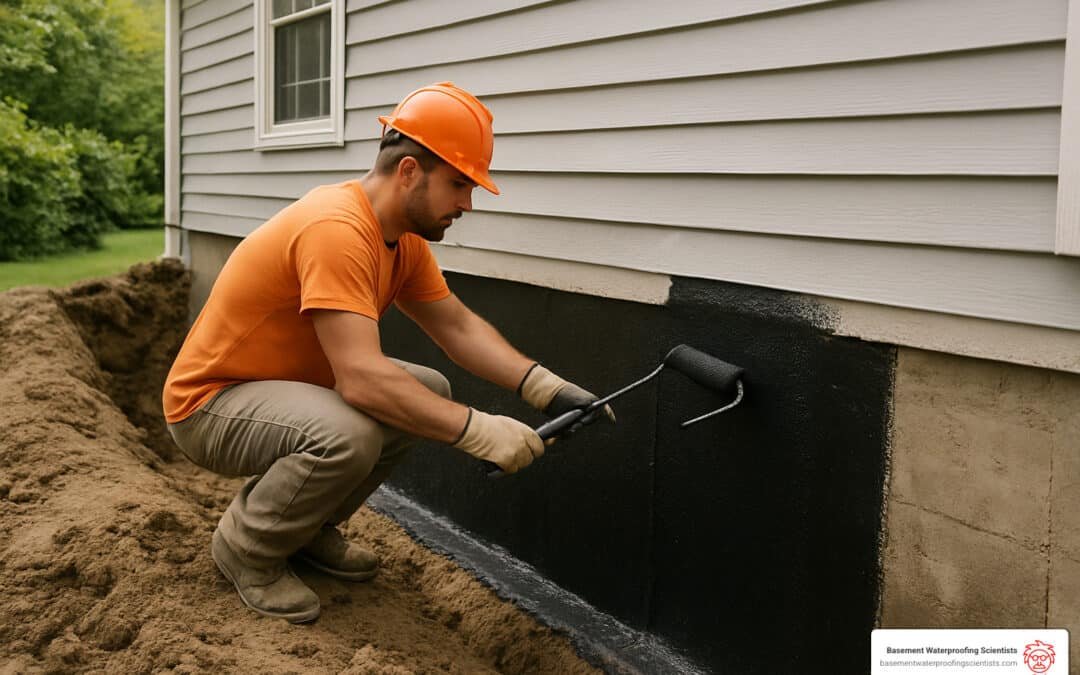
A basement provides valuable additional space for storage, recreation, home offices, laundry facilities, and other everyday activities, but its location below ground level makes it especially vulnerable to moisture problems. Rainwater, groundwater pressure, poor exterior drainage, plumbing leaks, and foundation cracks can all contribute to water entering the basement. When these issues remain unresolved, they may damage flooring, drywall, insulation, stored belongings, and other building materials while creating unpleasant odors and conditions that encourage mold growth. Even a small amount of recurring moisture can become a significant concern when water continues entering through the same area over an extended period. Homeowners who recognize these risks early can take practical steps to protect their properties and maintain a more comfortable indoor environment. Understanding the causes of basement moisture, identifying warning signs, and selecting suitable waterproofing methods can help prevent recurring problems and support the long-term condition of the foundation.
Understanding the Importance of Basement Moisture Protection
Basements are constantly influenced by the conditions surrounding a home’s foundation. Soil absorbs rainwater, groundwater levels change, and surface runoff moves across the property according to the landscape and drainage arrangements. When water accumulates near foundation walls, it may penetrate through cracks, construction joints, porous concrete, or poorly sealed openings. In some situations, moisture enters slowly and appears as damp patches or discoloration, while other properties experience noticeable leaks during heavy rainfall. Without an appropriate moisture-management strategy, these conditions can affect the basement’s usability and contribute to deterioration of the materials surrounding the affected area.Professional basement waterproofing focuses on identifying and controlling the sources of water that threaten below-grade spaces. Rather than simply covering damp walls with paint or applying sealant to visible cracks, a comprehensive approach examines the foundation, drainage system, exterior grading, and other conditions that may contribute to moisture intrusion. Depending on the property, the appropriate solution may include repairing foundation cracks, improving surface drainage, installing drainage components, applying suitable waterproofing materials, or managing groundwater with a properly designed sump system. Each basement has different characteristics, so the most effective approach depends on the cause and severity of the problem. By addressing the underlying conditions instead of relying on temporary fixes, homeowners can reduce the likelihood of recurring leaks and protect the structural components of their homes.
Recognizing the Early Signs of Basement Water Problems
Identifying moisture problems early can help homeowners arrange appropriate repairs before damage spreads to other parts of the basement. One common warning sign is visible dampness along foundation walls or where the floor meets the wall. Water may appear after rainfall, during periods of high groundwater, or when exterior drainage systems become overwhelmed. Other indicators include peeling paint, bubbling wall finishes, deteriorating drywall, rust on metal components, and white mineral deposits left behind when water evaporates from masonry. These symptoms suggest that moisture may be moving through or accumulating against the foundation, although the exact cause cannot always be determined from appearance alone.Musty odors and persistent indoor humidity can also indicate a moisture problem, particularly when there is no obvious puddle or active leak. Homeowners may notice condensation on cold pipes, damp carpeting, or stored belongings that feel moist even when the floor appears dry. In some cases, the source may be a plumbing leak rather than groundwater entering through the foundation. Keeping track of when moisture appears can provide useful information. For example, damp patches that become more noticeable after storms may suggest exterior drainage problems, while moisture near a bathroom or utility area could indicate a leaking pipe. Recording these observations and arranging a professional inspection can help narrow down the cause and determine which repairs are appropriate. Early intervention is often easier and less disruptive than waiting until the problem affects finished walls, flooring, or other interior materials.
Understanding the Main Causes of Basement Water Intrusion
Water can enter a basement through several different pathways, and understanding these pathways is essential for selecting an effective repair strategy. Poor exterior grading is a frequent contributor because soil that slopes toward the house directs rainwater toward the foundation instead of away from it. Clogged gutters and poorly positioned downspouts can create similar problems by allowing large amounts of roof runoff to collect beside basement walls. When surrounding soil becomes saturated, water may begin moving through cracks or other vulnerable areas. In properties with inadequate drainage, the problem may continue after rainfall because water remains trapped in the soil around the foundation.Groundwater pressure can also contribute to basement leaks, particularly when the water table rises or soil conditions allow water to collect beneath the building. This pressure may push moisture through foundation cracks, floor joints, and other openings. Concrete itself is not completely waterproof, and water can move through porous materials under suitable conditions. Plumbing leaks provide another possible source, especially when supply lines, drainage pipes, washing machine connections, or water heaters are located near the basement. Condensation can create damp surfaces without water entering directly from the ground, particularly when humid air contacts cold concrete or metal. Because these causes require different corrective measures, homeowners should avoid assuming that one product or repair technique will solve every moisture problem. A thorough assessment helps determine whether the priority is drainage correction, plumbing repair, foundation treatment, condensation control, or a combination of these measures.
Protecting Foundation Walls from Cracks and Water Penetration
Foundation cracks are a common concern for homeowners dealing with basement moisture, but not every crack indicates the same type of problem. Some narrow cracks form as concrete cures and shrinks, while others may result from soil movement, excessive pressure, settlement, or changes in moisture conditions. Cracks that remain stable may require a different approach from openings that continue to widen or occur alongside wall displacement. When water begins entering through a crack, the repair should address both the opening and the conditions allowing moisture to reach it. Applying a surface coating without understanding the underlying issue may provide only temporary relief.A professional assessment can help determine the appropriate treatment for the affected foundation. Depending on the crack’s characteristics and the condition of the concrete, a compatible repair compound or injection system may be suitable for sealing certain openings. More significant structural movement may require additional evaluation and stabilization before waterproofing work is completed. The exterior side of the foundation may also need attention if water is collecting against the wall or the existing protective layer has deteriorated. It is important to distinguish between repairing a crack and waterproofing the entire basement because these measures address related but different concerns. A well-planned repair considers the condition of the foundation, the source of water, and the likelihood of recurring pressure or movement. Addressing these factors together can help protect the repaired area and reduce the chance of future leakage.
Improving Exterior Drainage to Keep Water Away
Effective exterior drainage is one of the most important parts of basement moisture prevention because it reduces the amount of water reaching the foundation in the first place. During rainfall, the roof collects a substantial volume of water that must be directed away from the house. If gutters are blocked, damaged, or undersized for the roof’s drainage needs, water may overflow directly beside the foundation. Downspouts that release water too close to the building can also saturate the surrounding soil repeatedly. Over time, these conditions may increase the likelihood of seepage and place additional moisture pressure on basement walls.Homeowners can reduce these risks by maintaining gutters, checking downspout connections, and ensuring that roof runoff reaches an appropriate discharge point. The soil around the foundation should generally slope away from the building where site conditions permit, while landscaping should not create depressions that collect water. Walkways, patios, and other hard surfaces should also be evaluated if water regularly drains toward basement walls. In some cases, correcting the surface grade may not be sufficient, particularly where groundwater conditions or heavy soil restrict natural drainage. A professional may recommend additional drainage measures designed for the property’s specific conditions. Exterior drainage improvements are especially valuable when combined with foundation repairs because they help reduce repeated exposure to water after the immediate leak has been addressed. Preventing excessive water accumulation is often more effective than repeatedly repairing the same interior damp patches.
Choosing Between Interior and Exterior Waterproofing Methods
Basement waterproofing can involve interior measures, exterior treatments, or a combination of both. The appropriate option depends on where water originates, how it enters the building, the foundation’s construction, and the available access around the property. Exterior waterproofing may involve excavating around foundation walls, preparing the surfaces, repairing suitable defects, and applying a protective membrane designed to limit water penetration. A drainage layer or foundation drain may also be installed to help manage water before it builds up against the wall. Although exterior work can be more disruptive and expensive because it involves excavation, it may be appropriate when the outside of the foundation needs direct protection or existing waterproofing has failed.Interior systems can be useful when exterior excavation is impractical or when water needs to be collected and directed away from the basement. Depending on the conditions, these systems may include interior drainage channels, sump pumps, or other water-management components. They are generally designed to control water that reaches the interior side of the foundation rather than eliminate every source of moisture outside. Interior wall coatings may help with certain dampness conditions, but they should not be relied on to resist significant water pressure unless specifically designed for that purpose. Homeowners should ask contractors to explain what each proposed method is intended to accomplish and what limitations may remain after installation. Selecting a solution based on the actual water pathway can help avoid unnecessary work and improve the reliability of the finished system.
Managing Groundwater with Proper Drainage Systems
In some homes, water collects around or beneath the foundation despite reasonable surface drainage. This may occur because of groundwater conditions, soil characteristics, or the way water moves through the surrounding ground. When water pressure increases, moisture may enter through floor joints, cracks, or other weak points in the basement structure. Persistent seepage can make the basement difficult to use and may damage materials stored near the affected areas. In these situations, an appropriate drainage system may be needed to collect and redirect water before it accumulates inside the space.A drainage solution should be designed according to the property’s conditions rather than selected solely because it is commonly used in other basements. Depending on the situation, a system may involve perimeter drainage, a collection basin, and a sump pump that discharges water to a suitable location. The discharge arrangement must be planned carefully so that collected water does not simply return toward the foundation or create drainage problems elsewhere. Pump capacity, maintenance access, and the possibility of power interruptions should also be considered. In areas where pump failure could lead to flooding, a backup system or suitable alarm may provide additional protection. Homeowners should understand that drainage systems require ongoing maintenance and do not replace the need to repair structural defects or manage exterior runoff. When correctly designed and maintained, however, they can be an important part of controlling groundwater-related basement problems.
Preventing Mold Growth and Persistent Musty Odors
Excess moisture can create conditions that allow mold to grow on drywall, wood, insulation, cardboard, and other materials found in basements. Musty odors may develop before visible growth becomes apparent, especially behind furniture, inside storage areas, or within finished walls. Mold can damage susceptible materials and may aggravate symptoms in people who are sensitive to indoor allergens. The most reliable way to reduce recurring mold problems is to control the moisture that allows growth to occur rather than simply masking odors or treating visible surfaces.Homeowners should investigate damp areas, repair water leaks, and remove moisture-damaged materials when necessary. Water intrusion should be corrected promptly, and wet building materials should be dried appropriately. Persistent humidity may require a dehumidifier, improved ventilation, or other measures suited to the basement’s design. However, ventilation must be managed carefully because humid outdoor air can sometimes increase condensation in a cool basement. Small areas of surface growth may be manageable under suitable circumstances, but extensive contamination, recurring growth, or significant water damage may require professional remediation. Cleaning or painting over affected materials without fixing the underlying moisture problem is unlikely to provide lasting results. A coordinated approach that includes waterproofing, humidity management, and appropriate cleanup can help create a more comfortable basement and reduce the likelihood of recurring odor and mold concerns.
Protecting Finished Basements and Valuable Belongings
A finished basement often contains flooring, drywall, furniture, electronics, stored documents, seasonal decorations, and other belongings that can be damaged by water. Even a minor leak can become expensive when moisture spreads beneath flooring or behind finished walls. Water may remain hidden for some time, allowing materials to deteriorate before the homeowner notices a problem. This makes moisture prevention especially important for basements used as living rooms, guest spaces, entertainment areas, or home offices.Before finishing a basement, homeowners should investigate any history of water intrusion and resolve known drainage or foundation issues. Building materials selected for below-grade spaces should be suitable for the expected moisture conditions, and insulation and vapor-control details should follow applicable building requirements. Storage items should be kept off the floor where practical, particularly in areas with a history of minor seepage. Water alarms can provide an additional warning near vulnerable plumbing connections, sump pits, and other locations where leaks might occur. Homeowners may also benefit from periodically checking hidden corners, utility areas, and the lower edges of finished walls for signs of dampness. These precautions do not replace proper waterproofing, but they can help reduce the consequences of unexpected water problems. Combining prevention with regular inspection is a practical way to protect both the basement and the belongings kept inside it.
Why Professional Inspection and Maintenance Matter
Basement moisture problems are not always easy to diagnose because several different conditions can produce similar symptoms. A damp wall may indicate exterior seepage, condensation, a plumbing leak, or water entering through a foundation crack. A puddle near the floor could be associated with groundwater, an appliance leak, or a blocked drainage component. Choosing a repair without identifying the source can lead to unnecessary expenses and recurring problems. Professional inspection helps homeowners understand the relationship between the foundation, surrounding soil, drainage systems, and indoor moisture conditions. An experienced contractor can examine visible damage, review exterior drainage, and recommend further investigation where needed.
Professional basement waterproofing can help address the underlying causes of moisture intrusion and protect the foundation when the solution is suited to the property’s specific conditions. The proposed work should identify the source of moisture, explain why the selected repair is appropriate, and describe any related improvements that may be necessary. Homeowners should request a written estimate outlining the work, materials, drainage provisions, and maintenance requirements. It is also important to clarify whether the project involves structural repairs that require an engineer or permits. After waterproofing is complete, regular inspections should continue. Gutters should remain clear, downspouts should discharge water appropriately, and sump pumps or drainage equipment should be serviced according to their manufacturers’ instructions. New cracks, recurring leaks, and unusual dampness should be investigated promptly. This combination of professional guidance and consistent maintenance helps homeowners preserve the benefits of waterproofing and respond quickly if conditions change.
Conclusion
Basement moisture can affect a home’s foundation, interior materials, indoor comfort, and the usefulness of the space below ground level. Water may enter through foundation cracks, poorly managed exterior drainage, groundwater pressure, plumbing leaks, or other vulnerable areas, making it important to identify the actual source before choosing a repair. Effective waterproofing combines appropriate foundation treatment with drainage improvements, suitable water-management systems, and regular maintenance. Addressing these issues early can help reduce the risk of recurring leaks, protect stored belongings, and prevent moisture-related damage from spreading through the basement.Professional basement waterproofing offers homeowners a practical way to manage moisture and protect their properties when the system is designed for the building’s specific conditions. Correcting exterior runoff, sealing appropriate openings, managing groundwater, and maintaining suitable indoor humidity can all contribute to a more durable basement environment. Homeowners should avoid relying on temporary surface treatments when water continues to enter, because lasting results depend on addressing the underlying cause. With careful planning, suitable materials, and professional assessment when needed, a basement can remain a more comfortable and functional part of the home while the foundation receives the protection necessary for long-term performance.
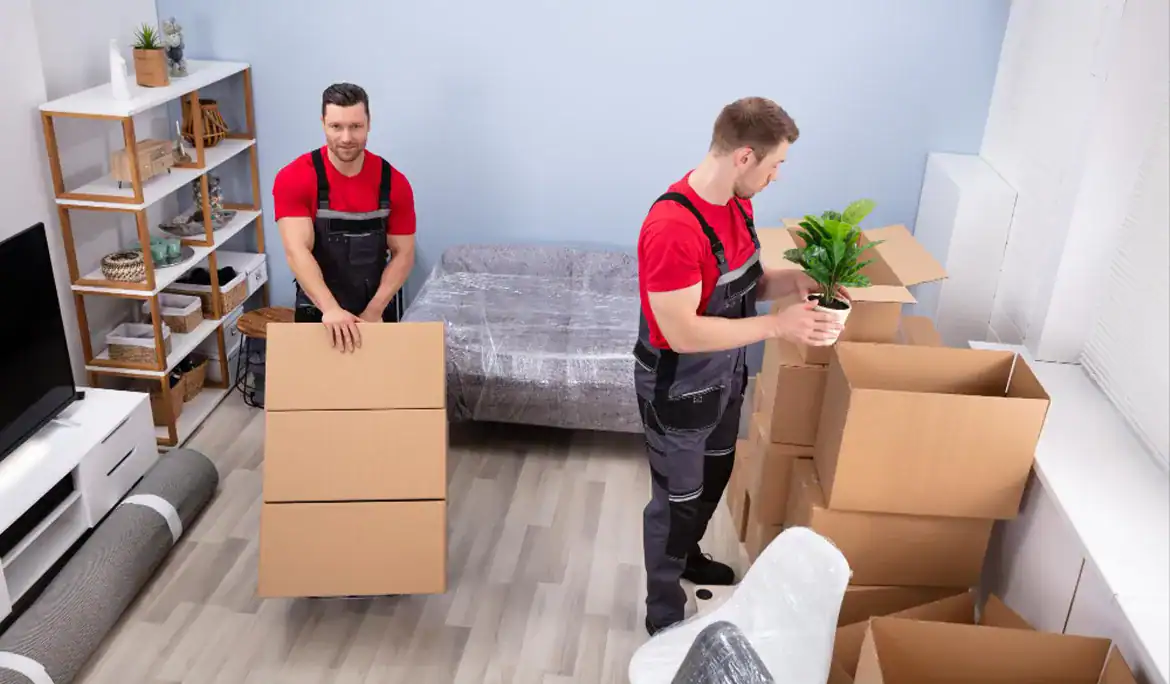
Moving to a new home is an important life transition that often brings excitement, new opportunities, and a fresh start. However, the process of packing belongings, organizing furniture, transporting household items, and preparing for a new living environment can quickly become stressful without proper planning. Even a move that appears simple at first may involve numerous responsibilities, including arranging transportation, protecting fragile possessions, coordinating schedules, and ensuring everything arrives safely. Professional moving services help simplify these responsibilities by providing organized support throughout the relocation process. With experienced assistance, homeowners, renters, and families can focus on settling into their new surroundings instead of spending all their time managing the physical and logistical demands of moving. A well-planned relocation also reduces unnecessary delays, helps protect valuable possessions, and makes the overall experience more manageable from beginning to end.
Understanding the Value of Professional Moving Services
A successful move involves much more than placing belongings into boxes and loading them into a vehicle. Every household contains items with different sizes, weights, shapes, and handling requirements, which means each possession must be prepared and transported appropriately. Large furniture may require disassembly, delicate decorations need additional cushioning, and electronic equipment should be packed carefully to prevent damage. Professional movers understand how to approach these different requirements while maintaining an organized workflow. Their experience allows them to determine which items need special attention, how furniture should be positioned during transportation, and which packing materials are suitable for particular belongings. By using established handling techniques and a systematic approach, moving professionals can reduce the likelihood of avoidable problems while helping customers complete their relocation more efficiently.Hiring experienced local movers can also make the planning process easier because professional assistance provides structure to a task that might otherwise feel overwhelming. Instead of handling every responsibility independently, customers can receive support with lifting, loading, transportation, and other essential moving activities according to the services they select. This assistance can be particularly valuable for households with heavy furniture, numerous boxes, delicate belongings, or limited time to prepare. Professional teams can help establish a practical order for moving items, keep the loading process organized, and reduce the physical demands placed on family members. When responsibilities are clearly organized and expectations are discussed before moving day, the entire relocation can proceed with greater confidence and fewer unnecessary complications.
Planning Ahead for a Smooth Relocation
Preparation is one of the most important factors in determining how smoothly a move will proceed. Beginning the planning process early gives households enough time to organize their belongings, identify transportation requirements, gather packing materials, and arrange professional assistance. A moving checklist can help keep these responsibilities manageable by dividing them into smaller tasks that can be completed over several weeks. For example, homeowners may begin by sorting storage areas, reviewing furniture arrangements, and identifying possessions that will not be needed immediately after the move. As moving day approaches, attention can shift toward packing everyday items, confirming arrangements, and preparing essential documents. A structured timeline helps prevent last-minute rushing and gives everyone involved a clearer understanding of their responsibilities.Creating a realistic moving budget is equally important because relocation expenses can include several different services and supplies. Depending on the move, customers may need to account for packing materials, labor, transportation, temporary storage, furniture protection, and additional handling requirements. Requesting a clear estimate and explaining the details of the relocation can help reduce confusion about expected costs. Customers should communicate the size of their household, the number of large items, any stairs or access limitations, and whether special handling will be necessary. Asking questions about service inclusions, scheduling, and possible additional charges allows households to compare options more effectively. A thoughtful budget does not simply focus on choosing the lowest price; it considers the overall value of the service, the reliability of the provider, and the level of assistance needed to complete the move successfully.
Organizing Belongings Before Packing
Sorting possessions before packing can make relocation considerably easier because it reduces the number of items that need to be handled, transported, and unpacked. Many households accumulate clothing, books, kitchen accessories, decorations, and other belongings that are no longer useful or necessary. Reviewing these possessions before moving provides an opportunity to donate usable items, recycle appropriate materials, or dispose of unwanted belongings responsibly. Reducing unnecessary clutter can also help customers use boxes more efficiently and avoid paying to transport things they do not intend to keep. Rather than packing every item automatically, households should consider which possessions are useful, which have sentimental value, and which would be better left behind. This process encourages more organized packing and creates a cleaner starting point in the new home.Once belongings have been sorted, packing should follow a consistent system that makes identification and unpacking easier. Each box should contain items from a similar room or category whenever practical, and its label should clearly describe the contents and destination. For example, boxes containing kitchen supplies should be marked separately from those holding bedroom accessories or office equipment. Fragile items should be identified clearly, while boxes containing essential belongings should remain easy to locate. A written inventory can provide an additional reference for important possessions, especially when a household has numerous boxes or valuable equipment. Maintaining a record of packed items helps customers monitor the relocation process and determine which boxes should be opened first after arrival.
Protecting Furniture and Fragile Possessions
Furniture protection requires careful preparation because large items can be vulnerable to scratches, dents, loose fittings, and damage during lifting or transportation. Before moving heavy furniture, customers should remove loose objects, empty drawers when appropriate, and secure movable parts according to the item’s design. Detachable legs, shelves, and other components may need to be removed to make transportation easier, provided that disassembly can be completed safely. Protective blankets, suitable wrapping materials, and corner guards can help reduce the risk of surface damage. Items should also be measured when necessary to confirm that they can pass through doorways, staircases, and hallways without unnecessary force. Proper preparation helps preserve furniture condition and makes loading and unloading more predictable.Fragile belongings require a different packing strategy because their protection depends on cushioning, stable placement, and careful handling. Glassware, dishes, decorative objects, mirrors, artwork, and electronic devices should be wrapped with appropriate materials and packed in containers that provide adequate support. Empty spaces inside boxes should be filled to prevent items from shifting during transportation, while excessively heavy boxes should be avoided because they can become difficult to lift safely. Customers should also keep valuable personal documents, jewelry, medication, and other essential items separate when appropriate rather than placing everything in general household boxes. Communicating special handling requirements to the moving team before loading begins helps ensure that delicate possessions receive the attention they need throughout the relocation.
Making Moving Day More Organized
Moving day usually involves several activities happening within a limited period, so organization can make a substantial difference. Before the moving team arrives, customers should ensure that walkways are clear, packed boxes are grouped appropriately, and items that will not be transported are clearly separated. Keeping children and pets away from active lifting areas can improve safety and allow the team to work more efficiently. Customers should also make sure that keys, paperwork, contact details, and other essential information are readily available. A designated contact person can help answer questions, confirm instructions, and communicate any changes that arise during the process. These practical steps reduce interruptions and allow the loading operation to proceed according to an organized plan.Clear communication between customers and movers is essential when handling unexpected circumstances. Parking restrictions, narrow entrances, building access rules, elevators, and stairs can influence how quickly belongings can be moved. Informing the moving company about these conditions in advance allows the team to prepare appropriate equipment and estimate the work more accurately. If an item requires special handling or should be loaded separately, those instructions should be communicated before the process begins. Customers should also confirm the destination address, preferred contact method, and expected arrival arrangements. When everyone understands the plan, misunderstandings become less likely, and the relocation can remain focused on safe handling, efficient transportation, and timely completion.
Choosing a Moving Service That Fits Your Needs
Every relocation has different requirements, which means the right moving service depends on household size, available time, transportation needs, and the amount of assistance required. Some customers need help with lifting and transporting furniture, while others prefer a more comprehensive service that includes packing, loading, transportation, and unloading. Before selecting a provider, households should determine which responsibilities they can comfortably manage themselves and which would benefit from professional support. This assessment helps prevent paying for unnecessary services while ensuring that essential tasks receive sufficient attention. A clear understanding of the scope of work also makes it easier to discuss scheduling, pricing, and any additional requirements before making a final decision.When evaluating local movers, customers should look beyond advertising claims and consider the provider’s communication, service details, experience, and transparency. A dependable company should be willing to discuss the moving process, explain the estimate, clarify what is included, and answer reasonable questions about handling procedures. Customers can review available testimonials and independent feedback to understand how other people describe their experiences. It is also sensible to ask about the company’s approach to protecting furniture, handling fragile belongings, managing delays, and addressing concerns if something goes wrong. Written confirmation of the agreed services, estimated charges, schedule, and relevant terms can help establish clear expectations. Choosing a provider based on reliability and suitability rather than price alone can contribute to a more predictable moving experience.
Managing Time and Reducing Moving Stress
Time management becomes especially important when a relocation must be completed around work schedules, school commitments, lease deadlines, or other responsibilities. Breaking the move into stages allows customers to distribute the workload rather than attempting to complete everything in one day. Nonessential belongings can be packed first, while frequently used items remain accessible until closer to the moving date. Important appointments, utility arrangements, address updates, and key collection should be added to the moving checklist so that administrative responsibilities are not overlooked. Customers should also leave sufficient time for unexpected tasks, because even a carefully organized move may involve minor delays or changes. A realistic schedule offers more flexibility and reduces the pressure associated with completing multiple activities simultaneously.Maintaining an essentials box can make the first day in a new home much more comfortable. This box may contain toiletries, basic cleaning supplies, phone chargers, a change of clothes, snacks, drinking water, essential kitchen items, and other belongings needed immediately after arrival. Important documents and personal valuables should remain secure and easy to access rather than being packed into boxes that may not be opened right away. Families with children may also want to prepare familiar items that make the new environment feel more comfortable, while pet owners can keep food, bowls, leads, and necessary supplies nearby. These small preparations prevent unnecessary searching through packed belongings and allow household members to settle in without having to unpack every box immediately.
Preparing the New Home Before Arrival
Preparing the destination property before belongings arrive can save considerable time and effort. If possible, customers should inspect the home, confirm that access is available, and identify where large furniture pieces will be placed. Cleaning floors, shelves, cupboards, and other surfaces before unloading begins is usually easier than completing these tasks after furniture has been arranged. Customers may also need to confirm that electricity, water, internet service, and other essential utilities are ready for use. Measuring important spaces in advance can help determine whether existing furniture will fit comfortably and whether alternative arrangements are necessary. A basic room layout gives movers clearer instructions and reduces the need to repeatedly shift heavy objects after they have been unloaded.On arrival, directing boxes into their intended rooms can simplify unpacking and help prevent unnecessary movement throughout the home. Labels should correspond with room names or another straightforward organizational system, making it easier to identify the correct destination for each container. Large furniture should be placed according to the agreed layout before smaller belongings are unpacked, since arranging the main pieces first establishes the structure of each room. Customers should inspect important items as they are unloaded and raise any concerns promptly according to the moving agreement. Once essential furniture is positioned and key belongings are accessible, the remaining unpacking can be completed gradually. This method helps transform a crowded collection of boxes into a functional living space without creating additional disorder.
Supporting a More Efficient and Responsible Move
An organized relocation can also provide opportunities to reduce waste and make more thoughtful use of resources. Reusing sturdy boxes, selecting appropriately sized containers, and avoiding excessive packaging can limit unnecessary material consumption. Customers can donate usable household goods instead of discarding them, while recyclable materials should be separated according to local disposal guidance. Careful packing also helps prevent damage that might otherwise result in broken possessions, replacement purchases, and additional waste. Planning transportation efficiently and consolidating belongings where practical can support a more streamlined process. These decisions may appear small individually, but together they can contribute to a more responsible moving experience while keeping the household organized.Safety should remain a priority throughout the relocation because lifting heavy items, carrying boxes on stairs, and navigating crowded spaces can create avoidable risks. Customers should not attempt to lift objects that exceed their physical capabilities, and heavy furniture should be handled with appropriate equipment and adequate assistance. Walkways should remain free from loose packaging, cords, and other obstacles that could cause trips or falls. Boxes should be packed securely without exceeding reasonable weight limits, and fragile or awkwardly shaped objects should receive suitable protection. Professional assistance can help manage physically demanding tasks, but customers should still communicate hazards and follow practical safety precautions. A move that prioritizes careful handling and organized movement is more likely to protect both people and possessions.
Conclusion
A successful relocation depends on preparation, organization, communication, and the careful handling of household belongings. From creating a realistic budget and sorting possessions to protecting furniture, coordinating transportation, and preparing the destination home, every stage contributes to the overall experience. Taking time to establish a clear plan helps reduce unnecessary stress, avoid common mistakes, and make better use of available time. Professional assistance can be especially valuable when a move involves heavy furniture, fragile possessions, complicated access arrangements, or a demanding schedule. By identifying individual needs and choosing suitable services, households can approach relocation with greater confidence and a clearer understanding of what to expect.Working with experienced moving professionals can also help customers focus on the positive opportunities associated with a new home rather than becoming overwhelmed by the work involved in getting there. Careful planning, clear expectations, and a practical unpacking strategy can make the transition easier from the first packed box to the final furniture arrangement. Selecting a dependable service provider, confirming arrangements in advance, and keeping essential belongings accessible all contribute to a more manageable process. With the right preparation and support from local movers, individuals and families can protect their possessions, maintain a more organized schedule, and begin settling into their new living environment with fewer avoidable complications.

Commercial Painting: Transforming Business Properties with Professional Paint Solutions

Protecting Your Home from Moisture with Effective Basement Waterproofing

Making Every Move Easier with Professional Moving Support

Who Is Keiko Fujimoto? All About Sunny Balwani’s Former Wife

Bandit Lee Way: Everything to Know About Gerard Way and Lyn-Z’s Daughter

Meet David Scott Simon: Alison Berns’ Husband and His Private Life
-
 Celebrity2 months ago
Who Is Keiko Fujimoto? All About Sunny Balwani’s Former Wife
-
 Celebrity3 months ago
Bandit Lee Way: Everything to Know About Gerard Way and Lyn-Z’s Daughter
-
 News2 months ago
Meet David Scott Simon: Alison Berns’ Husband and His Private Life
-

 Celebrity2 months ago
Who Is Fred Tillman? The Full Story of Kelly McGillis’s Former Husband
-

 News2 months ago
Meet Morgan Kay Beamer: The Todd Beamer’s Daughter
-

 News4 months ago
Meet Carol Marlow: The Full Story of Tony Dow’s Private Ex Wife
-

 Celebrity2 months ago
Who Is Alice Young? Meet Neil deGrasse Tyson’s Wife
-

 Celebrity3 months ago
Meet Kelly Stewart-Harcourt: The Story of Jimmy Stewart’s Daughter