
Blog
From Factory Floors to Defense Systems: How Next-Generation Components Are Shaping Technological Innovation


Technological innovation increasingly depends on the development of advanced components that improve equipment functionality, manufacturing efficiency, and operational safety. From automated production machinery to aerospace equipment and defense systems, specialized electronic and mechanical technologies are transforming how modern equipment is designed, manufactured, and maintained.
Advancements in material science, digital connectivity, miniaturization, and precision engineering have created new possibilities across numerous industries. These developments are helping manufacturers address complex engineering challenges while meeting increasingly demanding quality and safety requirements.
Enhancing Equipment Safety Through Specialized Components
Safety-critical equipment requires careful attention to component quality, engineering accuracy, and manufacturing consistency. In industrial facilities, protective switches and sensors help reduce equipment-related hazards, while defense applications require additional safety oversight due to the nature of the materials involved.
Within military fuzing applications, safe and arm device switches help prevent unintended activation and protect personnel. Mechanical, electronic, and electromechanical designs illustrate the diversity of modern safety technology. Manufacturing accuracy and consistent quality remain fundamental considerations across these categories.
Transforming Industrial Automation
Industrial automation has significantly changed manufacturing processes by reducing manual intervention and improving production consistency. Advanced sensors, electronic switches, and computerized controllers allow machinery to perform repetitive tasks with greater accuracy.
Smart components also enable manufacturing facilities to monitor equipment conditions, identify production irregularities, and collect valuable operational information. Automated inspection technologies help identify manufacturing defects before products progress to subsequent production stages.
Integrating these technologies into industrial environments supports efficient resource utilization, consistent product quality, and improved workplace safety. As automation continues to evolve, specialized components remain fundamental to the development of intelligent manufacturing facilities.
Driving Advancements in Precision Engineering
Precision engineering has become increasingly important as modern equipment requires smaller, more intricate, and highly specialized components. Even minor dimensional inconsistencies may affect product functionality, making manufacturing accuracy an essential consideration.
Advanced manufacturing technologies, including computer numerical control machining and laser-based manufacturing, enable engineers to produce complex components with greater consistency. Digital measurement technologies also support detailed quality assessments throughout production.
These developments have influenced industries ranging from medical equipment manufacturing to consumer electronics and transportation. Greater manufacturing precision allows designers to explore innovative product concepts while maintaining appropriate functionality and quality standards.
Supporting Innovation Through Advanced Materials
Material selection plays a fundamental role in determining the performance, weight, durability, and longevity of engineered products. Modern material science has introduced lightweight composites, specialized alloys, advanced polymers, and protective coatings that support diverse engineering applications.
In transportation and aerospace, lightweight materials contribute to improved energy efficiency. Manufacturing facilities benefit from corrosion-resistant materials that withstand demanding environmental conditions and prolonged industrial usage.
Research into sustainable and recyclable materials has also encouraged manufacturers to evaluate the environmental impact of component production. Continued advancements in material science create opportunities to develop products that balance functionality, resource efficiency, and environmental responsibility.
Expanding the Capabilities of Smart Sensors
Smart sensors have introduced new possibilities for collecting and interpreting information across industrial environments. These components monitor variables such as temperature, pressure, humidity, vibration, and equipment condition.
Manufacturing facilities use sensor-generated information to evaluate machinery performance and identify maintenance requirements. In healthcare, specialized sensing technologies support patient monitoring and diagnostic equipment. Environmental monitoring applications also rely on sensors to assess air quality and changing environmental conditions.
Combining sensing technologies with digital analytics allows organizations to make more informed operational decisions. As sensing capabilities continue to develop, these components are becoming increasingly important across connected technological environments.
Improving Maintenance Through Digital Monitoring
Traditional maintenance practices often depend on scheduled inspections or responses to unexpected equipment failures. Digital monitoring technologies offer a more proactive approach by providing continuous information about machinery condition.
Connected monitoring devices allow maintenance professionals to identify unusual operating conditions and investigate potential technical concerns. Historical performance information also supports maintenance scheduling and equipment lifecycle assessments.
These capabilities may reduce unnecessary equipment downtime, prevent premature component replacement, and improve resource allocation. Digital monitoring is particularly valuable in large manufacturing facilities, where equipment interruptions may affect multiple production processes.
Enabling Compact and Lightweight Product Designs
Miniaturization has become a prominent trend in technological development. As electronic components become smaller, manufacturers have greater flexibility to create compact products without sacrificing essential functionality.
Portable medical devices, wearable technologies, communication equipment, and consumer electronics have benefited significantly from advancements in component miniaturization. Smaller designs also create opportunities to reduce material consumption and improve portability.
However, developing compact components requires careful attention to heat management, structural integrity, and electrical compatibility. Continued research and manufacturing improvements help address these challenges while expanding the possibilities for product design.
Strengthening Manufacturing Quality Through Advanced Testing
Quality assurance remains essential as engineered products become increasingly complex. Advanced inspection technologies allow manufacturers to identify inconsistencies, evaluate material integrity, and assess compliance with approved specifications.
Automated visual inspections, computerized measurement equipment, and non-destructive examination methods contribute to more comprehensive quality assessments. Digital documentation also improves traceability by preserving records of inspections, manufacturing processes, and corrective actions.
In highly regulated industries, these practices are particularly important for maintaining accountability and protecting end users. Incorporating quality assessments throughout the manufacturing lifecycle supports consistent product development and helps reduce preventable defects.
Encouraging Sustainable Technological Development
Environmental considerations are increasingly influencing how next-generation components are developed and manufactured. Engineers are exploring opportunities to reduce energy consumption, minimize material waste, and extend product lifespans.
Energy-efficient electronic components help reduce electricity requirements, while durable materials may decrease the frequency of equipment replacement. Manufacturing innovations also support more efficient material utilization and responsible production practices.
Designing products with maintenance, repair, and recyclability in mind contributes to a more sustainable technological lifecycle. These considerations highlight how component-level innovation can support broader environmental objectives without compromising essential product functionality.
Shaping the Future of Technological Innovation
Next-generation components are transforming industries by introducing new possibilities in automation, precision manufacturing, digital monitoring, equipment safety, and sustainable product development. Continued advancements in engineering and material science allow manufacturers to address increasingly complex technological requirements.
As industries adopt emerging technologies, maintaining appropriate quality standards, ethical manufacturing practices, and comprehensive safety assessments will remain essential. Collaboration between engineers, researchers, and manufacturing professionals also supports the responsible development of new products.
From factory floors to specialized defense environments, the future of technological innovation will continue to depend on carefully engineered components that balance functionality, safety, resource efficiency, and environmental responsibility.

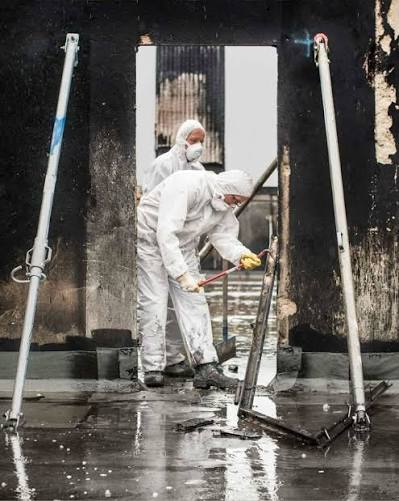
A house fire is one of the most disorienting experiences a homeowner can face. One moment, life is normal — the next, you’re standing outside watching smoke curl from windows that used to frame your living room. Even after the flames are out, the real work is just beginning. Soot clings to walls, water from the fire hoses pools in the basement, and the smell of smoke seems to settle into every fiber of your home.
If you’ve just experienced a fire, you’re probably wondering what to do first. This guide walks through the immediate steps to take after a fire, what the restoration process actually looks like, and how choosing the right team can mean the difference between a stressful ordeal and a smooth recovery.
What Should You Do Immediately After a House Fire?
Safety comes first. Before you step back into your home, wait for the fire department to confirm it’s structurally safe to enter. Fires weaken floors, ceilings, and walls in ways that aren’t always visible to the eye.
Once you’re cleared to go back in, here’s what matters most:
- Contact your insurance company right away. The sooner you file a claim, the sooner the recovery process can begin.
- Document everything. Take photos and videos of the damage before anything is moved or cleaned.
- Avoid cleaning on your own. Soot and smoke residue can be deceptively harmful, and improper cleaning can actually drive stains deeper into surfaces.
- Secure the property. Boarding up broken windows and tarping damaged roofing prevents further damage from weather or intruders.
These steps protect both your safety and your insurance claim. But what comes after matters just as much — and that’s where professional restoration makes all the difference.
Why Does Fire Damage Require Professional Restoration?
Fire damage isn’t just about charred materials. Heat, smoke, and the water used to extinguish the flames combine to create a uniquely destructive aftermath. Smoke particles can travel through HVAC systems and settle into rooms that never saw flames. Water used during firefighting efforts often seeps into subfloors and drywall, creating the perfect environment for mold within 24 to 48 hours.
This is why DIY cleanup rarely solves the real problem. A professional restoration team doesn’t just clean visible soot — they assess structural integrity, test air quality, and address hidden moisture before it becomes a secondary disaster.
How Does the Restoration Process Work?
A thorough restoration typically follows several key phases:
- Inspection and damage assessment. Technicians evaluate the extent of fire, smoke, and water damage throughout the property.
- Water removal and drying. Since firefighting efforts often leave standing water, this step prevents mold growth and further structural damage.
- Smoke and soot removal. Specialized equipment and cleaning agents lift soot from walls, ceilings, and belongings without causing further staining.
- Deodorization. Smoke odor can linger long after visible damage is gone, requiring professional-grade air scrubbers and ozone treatments.
- Cleaning and repair. This final phase restores the property to its pre-fire condition, repairing structural elements and refinishing surfaces as needed.
Each of these steps requires specialized equipment and training. Attempting even one of them without the right tools can lead to incomplete restoration or long-term damage that surfaces months later.
How Long Does Fire Damage Restoration Take?
The restoration timeline depends on the extent of the damage. A small kitchen fire confined to one room might take a few days to a week to fully restore. A larger fire affecting multiple rooms or the structure itself can take several weeks to months, particularly if rebuilding is required.
Working with an experienced team speeds up this process considerably. Established restoration companies have relationships with contractors, access to industrial-grade drying equipment, and the experience to spot problems before they escalate — all of which shortens the time between disaster and normalcy.
Choosing a Restoration Partner You Can Trust
When your home has been damaged by fire, you need more than a cleanup crew — you need a team that understands the full scope of recovery, from the first phone call to the final walkthrough. Fire damage restoration is a deeply personal process, and having a team that treats your home with the same care they’d give their own makes all the difference during one of the hardest moments a family can face.
Tennessee Water and Fire specializes in exactly this kind of full-circle recovery. Their technicians are trained to handle every stage of the restoration process, from emergency water extraction to structural repairs, with the urgency and compassion that comes from years of hands-on experience. Rather than treating your home as just another job site, the team works closely with homeowners and insurance adjusters alike to make sure nothing gets overlooked.
What sets Tennessee Water and Fire apart is their responsiveness. Fire damage doesn’t wait for business hours, and neither does their team. Rapid response limits secondary damage from smoke and moisture, which can be the deciding factor between a manageable repair and a far more costly rebuild.
Moving Forward After the Fire
Recovering from a house fire is rarely simple, but it doesn’t have to be something you face alone. Understanding the restoration process — from the first call to your insurance company through the final repair — helps you feel more in control during a time that can otherwise feel chaotic.
If your home or business has recently experienced fire damage, don’t wait to start the recovery process. Reach out to Tennessee Water and Fire today to schedule an inspection and take the first step toward getting your space back to normal.
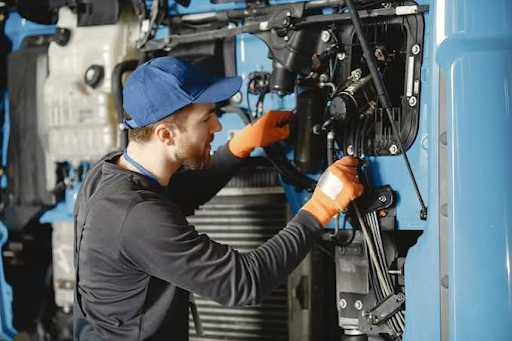
Power outages rarely announce themselves. One minute your lights are on, and the next, you’re relying on your standby generator to keep your home or business running. But what happens when that generator doesn’t start, stalls out, or runs rough right when you need it most? That’s the moment homeowners and business owners alike realize just how critical proper generator maintenance really is.
Generator Supercenter of the Triangle has spent years helping property owners across the region keep their backup power systems in peak condition. Whether you’re dealing with a residential standby unit or a commercial-grade system, understanding the warning signs of generator trouble can save you from costly downtime and unexpected headaches.
This post breaks down the most common generator issues, what causes them, and why timely professional service makes all the difference between a quick fix and a full system failure.
Why Generators Fail When You Need Them Most
Generators are mechanical systems, and like any machine, they experience wear over time. Fuel system issues, battery degradation, and clogged filters are among the leading culprits behind unexpected generator failure. Many of these problems develop slowly, which means a unit can appear to be working fine during routine testing but still fail during an actual power outage under full load.
Environmental factors play a role too. Humidity, temperature swings, and even small animals nesting near outdoor units can all contribute to performance issues. Add in the natural aging of internal components, and it becomes clear why even well-built generators need consistent attention.
The good news is that most generator problems are preventable or fixable with the right expertise. Catching small issues early typically costs far less than waiting for a complete breakdown.
Common Warning Signs Your Generator Needs Attention
Your Generator Won’t Start
A generator that fails to start is often dealing with a dead or weak battery, a faulty starter, or a fuel delivery problem. Since standby generators sit idle for long stretches between uses, batteries can lose charge without regular exercising cycles. If your unit’s self-test feature reports an error or simply stays silent, it’s time to have a technician take a closer look.
Unusual Noises During Operation
Grinding, knocking, or excessive rattling noises usually point to mechanical wear, loose components, or issues with the engine itself. Ignoring these sounds can lead to more significant internal damage, turning a manageable repair into a major overhaul.
Fuel Leaks or Strong Odors
Any noticeable fuel smell near your generator warrants immediate attention. Leaks not only pose safety hazards but also indicate deteriorating hoses, connections, or fuel lines that need prompt replacement.
Frequent Shutdowns or Inconsistent Power Output
If your generator starts but shuts off unexpectedly, or if it produces fluctuating power levels, this often signals problems with the voltage regulator, control board, or cooling system. Inconsistent output can also damage sensitive electronics connected to your home or business, making this an issue worth addressing quickly.
Visible Corrosion or Physical Damage
Outdoor generators are exposed to the elements year-round. Rust, corroded wiring, or cracked housing components compromise both performance and safety. Routine inspections help catch this kind of wear before it becomes a bigger problem.
The Value of Professional Maintenance and Service
Generators are complex systems that combine mechanical, electrical, and fuel components, all of which need to work together seamlessly. Attempting DIY fixes on a standby generator can be risky, both for the equipment and for personal safety, especially when dealing with fuel systems or electrical components.
Working with trained technicians means your generator gets inspected by people who understand manufacturer specifications, local code requirements, and the specific demands of residential and commercial power systems. Scheduled maintenance visits typically include battery testing, oil and filter changes, fuel system inspections, and load testing to confirm the unit performs as expected under real-world conditions.
This proactive approach doesn’t just extend the life of your equipment. It also provides genuine peace of mind, knowing your backup power source will perform when you need it most, whether that’s during a summer storm or an unexpected winter outage.
Trusted Generator Repairs From a Team You Can Rely On
Count on expert generator repairs whenever your backup power system shows signs of trouble, because waiting too long to address a small issue can turn into an expensive and stressful situation down the road. Generator Supercenter of the Triangle specializes in diagnosing and resolving the full range of generator issues, from simple battery replacements to more involved engine and control board repairs.
Our technicians bring hands-on experience working with a wide variety of generator brands and models, which means you get accurate diagnostics and lasting solutions rather than temporary patches. We understand that every outage situation is different, so we tailor our service approach to match the specific needs of your home or business.
Choosing a team with deep local knowledge also means faster response times and a better understanding of the power challenges specific to the Triangle area, from seasonal storms to grid reliability concerns.
Keep Your Power Running When It Matters Most
A generator is only as reliable as the maintenance behind it. Staying alert to warning signs like unusual noises, inconsistent power output, or failed start attempts can help you address small issues before they become major disruptions.
If your generator hasn’t been serviced recently, or if you’ve noticed any of the warning signs mentioned above, now is the time to schedule an inspection. Reach out to Generator Supercenter of the Triangle to keep your backup power system ready for whatever comes next.


An executive assistant plays a central role in managing the daily operational demands of modern corporate leaders. Choosing the wrong person for this demanding position leads to diary errors, travel delays, and added executive stress. Evaluating an applicant’s real competence requires practical testing that goes well beyond a basic conversational interview.
Specialist recruitment consultancies use practical testing to ensure candidates can handle the fast-paced demands of corporate life. Read on to discover how headhunters find top administrative talent using five core skills.
1. Advanced Diary Management
Managing an executive’s diary involves complex planning that changes regularly due to commercial demands and travel delays. An ea recruitment agency runs timed scenario tests to assess how candidates manage complicated diary challenges.
Candidates are asked to reschedule a busy day of appointments when a key flight is cancelled at short notice. The test measures their ability to prioritise vital meetings, communicate changes diplomatically, and keep the executive informed. Passing this test proves the applicant can maintain order and adapt calmly to changing corporate priorities.
2. Professional Writing and Documentation Standards
An executive assistant regularly prepares emails, reports, and meeting summaries on behalf of company directors and board members. A poorly phrased sentence or typing error undermines the executive’s professional image when dealing with external stakeholders.
Examine the specific writing standards agencies evaluate during candidate assessments:
- Test Proofreading Accuracy: Recruiters run spelling and grammar tests to verify an applicant’s attention to detail
- Assess Tone and Diplomacy: Candidates draft responses to delicate corporate emails, showing tact and business etiquette
- Check Typing Speed: Consultants measure typing speed and accuracy to ensure fast, dependable document production
- Evaluate Document Formatting: Candidates format board reports and presentations to meet corporate brand standards
3. Logical Problem-Solving Under Workplace Pressure
Executive support is unpredictable, and workplace challenges are common. If a presentation file corrupts or a conference venue cancels, an assistant must find an alternative solution quickly. Recruitment consultants use scenario-based questions to assess how applicants respond in challenging situations.
Interviewers present real-world business problems and ask the candidate to explain their resolution plan step by step. Capable candidates stay calm, think methodically, and use their professional network to find practical solutions without panicking.
4. Complex International Travel Coordination
Arranging corporate travel involves far more than simply booking a flight and a hotel room through a website. An assistant must coordinate multi-leg international journeys, secure travel visas, and arrange dependable ground transport on schedule.
Review the travel planning capabilities that recruitment consultants assess during the screening process:
- Coordinate Multiple Time Zones: Candidates plan itineraries that align meeting schedules across several time zones cleanly
- Manage Transport Disruptions: Applicants rebook travel arrangements during simulated airline delays or transport strikes
- Prepare Detailed Itineraries: Candidates compile comprehensive travel files, including hotel details, transport links, and local contacts
- Apply Travel Budget Policies: Recruiters test how well an applicant balances executive preferences with company travel policies
5. Discretion and Professional Confidentiality
Any lapse in confidentiality can damage company performance and weaken trust among senior leadership. Recruitment consultancies treat professional integrity seriously, conducting detailed background and reference checks on every applicant.
During interviews, consultants ask probing questions to see if an applicant shares confidential details about past employers. Should a candidate speak carelessly about previous directors or reveal proprietary information, they will be removed from the process. This thorough screening ensures your private business affairs remain secure and protected at all times.
Appoint a Qualified Executive Assistant With Confidence
Appointing an executive assistant is too important a decision to base on simple resumes and standard interview questions. Dedicated agencies use practical tests to evaluate diary coordination, business writing, and problem-solving skills accurately. This assessment process ensures you only interview candidates who are prepared for the demands of the boardroom.
Hire experienced administrative staff who can handle executive workloads to protect your productivity. Working with a specialised recruitment agency means you will find a skilled, discreet, and reliable executive assistant.

When Fire Strikes Your Home: What to Do Next (And Who to Call)

When Your Backup Power Fails: Signs It’s Time for Generator Repairs

Why Dallas Homeowners Are Falling in Love With Their Kitchens Again

Bandit Lee Way: Everything to Know About Gerard Way and Lyn-Z’s Daughter

Who Is Keiko Fujimoto? All About Sunny Balwani’s Former Wife

Meet David Scott Simon: Alison Berns’ Husband and His Private Life
-
 Celebrity3 months ago
Bandit Lee Way: Everything to Know About Gerard Way and Lyn-Z’s Daughter
-
 Celebrity3 months ago
Who Is Keiko Fujimoto? All About Sunny Balwani’s Former Wife
-
 News3 months ago
Meet David Scott Simon: Alison Berns’ Husband and His Private Life
-

 Celebrity3 months ago
Who Is Fred Tillman? The Full Story of Kelly McGillis’s Former Husband
-

 News4 months ago
Meet Carol Marlow: The Full Story of Tony Dow’s Private Ex Wife
-

 News3 months ago
Meet Morgan Kay Beamer: The Todd Beamer’s Daughter
-

 Celebrity3 months ago
Who Is Alice Young? Meet Neil deGrasse Tyson’s Wife
-

 Celebrity3 months ago
Meet Kelly Stewart-Harcourt: The Story of Jimmy Stewart’s Daughter