
Business
Irrigation Warning Signs: What Your Sprinkler System Reveals Before It Fails

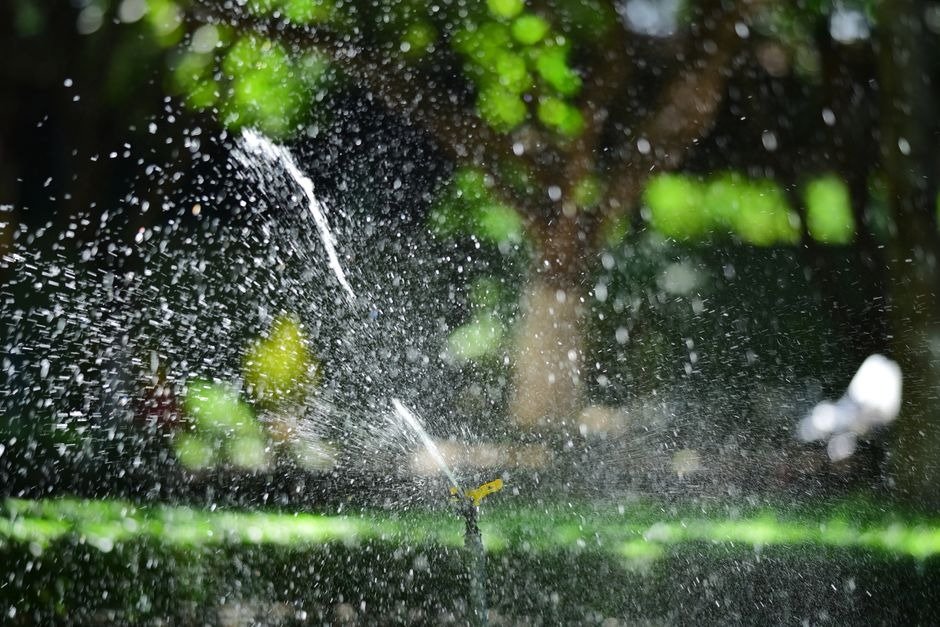
Whether you manage a yard, storefront landscape, or rental property, irrigation problems can go unnoticed until plants suffer. In Crystal Springs, heat, changing rainfall, and soil conditions can strain a system that distributes water unevenly. Brown patches, muddy areas, weak spray, and rising bills are early warnings. Recognizing them gives you time to act before a small repair becomes a costly replacement. A few minutes spent observing a watering cycle can reveal more than waiting for visible landscape damage.
Uneven Grass Color Often Signals Poor Coverage
When one section of a lawn stays green while another fades, water may not be reaching the area evenly. A clogged nozzle, tilted head, low-pressure zone, or damaged lateral line can leave dry patches as turf loses moisture.
Check driveways, fences, corners, and narrow strips where spacing matters. A rotor that no longer completes its arc can leave a coverage gap. Heads may shift after mowing, foot traffic, or soil movement.
If you have been searching for sprinkler repair in Crystal Springs, you may already notice uneven color, thinning grass, or a zone that never catches up. Note whether the pattern repeats after each cycle; this can help identify the cause. Also check whether nearby heads overlap as intended; uneven spacing can create dry strips even when every sprinkler appears to be working.
Persistent Wet Spots May Point to a Leak
A muddy patch that stays wet long after irrigation stops may indicate a cracked fitting, broken riser, faulty valve, or split underground pipe. Reducing runtime can leave other areas underwatered while the leak continues.
Look for wet areas that return in the same location, including when the system is off. Clay-rich or compacted soil can hold water near the surface and slow drainage.
The Environmental Protection Agency’s watering tips explain how pooling, runoff, and excessive pressure can signal inefficient irrigation. The guidance also recommends adjusting schedules to suit weather and landscape conditions rather than relying on a fixed timer throughout the year.
Weak or Misty Spray Can Reveal Pressure Problems
Sprinklers should distribute water in a consistent pattern. If a head produces a fine mist instead of a clear spray, pressure may be too high. Water can drift away or evaporate before reaching the ground. Low pressure creates a different problem: heads may fail to rise fully, rotate properly, or reach the intended distance.
Compare heads in the same zone. If some spray normally while others barely reach the lawn, check valves, clogged nozzles, obstructions, mismatched components, and the pressure regulator.
New planting beds, nozzles, or sprinkler heads can alter water demand. Replacing one damaged part will not fix a wider pressure imbalance.
Your Water Bill Can Provide an Early Warning
A higher water bill may reveal trouble before the landscape looks unhealthy. Compare similar months and account for weather or new planting. Unexplained increases may indicate a stuck valve, underground leak, or controller running too often.
Commercial properties feel the impact through operating expenses, while homeowners may not notice waste until the bill arrives. Record monthly use and watering schedules to establish a baseline. Check for water use during periods when irrigation should be inactive, if your meter provides that level of detail.
Seasonal Changes Affect How Quickly Problems Become Visible
Rain can temporarily hide poor coverage, while hot, dry weather may expose it within days. During growing periods, a failed zone can quickly stress turf and plants.
A problem that seems sudden may have been developing for weeks. Inspect before hotter weather, after storms, and when schedules change. Prompt attention can prevent sod replacement, plant loss, or erosion work.
Fix the Cause, Not Just the Visible Symptom
Replacing a broken sprinkler head may be straightforward, but it only works when the head is actually the source of the problem. If excessive pressure is damaging nozzles, another replacement may fail soon afterward. If an entire zone is inactive, the cause could be a solenoid, damaged wiring, controller fault, or valve problem.
A reliable diagnosis considers the whole system. Inspect the affected zone and test electrical or pressure issues with appropriate equipment. Avoid random replacements, especially on older systems with mixed brands or undocumented changes.
Utah State University’s irrigation system maintenance guidance describes practical checks for clogged or misaligned heads, leaks, misting, and pressure problems. Its recommendations reinforce the value of inspecting each zone rather than assuming every symptom has the same cause.
Changing Landscapes Need Updated Irrigation
A layout that once worked may no longer suit the property. Growing trees, shifting roots, larger shrubs, patios, and walkways can change coverage, leaving sprinklers watering pavement while plants go dry.
Treat irrigation as property infrastructure. Review coverage after landscaping changes or when plants outgrow their layout. Adjusting heads and zones may improve efficiency without a redesign.
A Simple Inspection Routine Can Prevent Surprises
You do not need to be a technician to spot warning signs. Run each zone and watch for heads that fail to pop up, sputtering nozzles, pooling, irregular rotation, or spray hitting pavement. Check the controller’s schedule, seasonal settings, power, and rain sensor.
Inspect before peak heat, after major weather changes, and when water use or plant health shifts. For underground piping, electrical faults, or persistent pressure issues, arrange a qualified assessment.
For larger properties, assign a staff member to record inspection dates and report recurring faults. A brief log noting the zone, symptom, and date can distinguish a one-time obstruction from a recurring problem. After repairs, compare water use and run the affected zone again. Confirming the improvement helps prevent repeat visits and gives future maintenance a useful record for managers.
Protect the Whole Landscape, Not Just the Sprinklers
An irrigation system affects plant health, water consumption, maintenance costs, and the overall appearance of a property. Its warning signs often appear gradually, but ignoring them can turn a small malfunction into a larger expense.
Take dry patches, persistent wet areas, weak spray, and unexplained water use seriously. Look for patterns, identify the affected zone, and investigate the underlying cause. Timely maintenance helps preserve the landscape, control waste, and keep the system working as the property changes.


Introduction
Raising a puppy in Los Angeles comes with a strange mix of freedom and pressure. You’ve got parks, patios, busy sidewalks, apartment buildings, and constant distractions, all packed into one city. That environment shapes how your dog learns from day one. If you want a calm adult dog later, it helps to understand what early training actually involves, what city life changes, and where owners usually get tripped up.
City Life Changes the Training Timeline
A puppy raised in a quiet suburban street deals with a very different learning environment than one growing up near traffic, delivery scooters, elevators, and crowded sidewalks. In Los Angeles, overstimulation can show up fast. Your dog may seem fine at home, then unravel outside because the sensory load is too high.
That changes your timeline. Socialization isn’t just meeting people and dogs. It includes hearing buses hiss, standing near skateboards, waiting at crosswalks, and settling near outdoor dining. Those things take repetition and recovery time.
A lot of owners expect obedience first, then exposure. In practice, those two happen together. A sit in your living room is basic. A sit outside a coffee shop while another dog passes is a completely different behavior with a much higher difficulty level.
Socialization Is Not the Same as Free Play
People often use the word socialization when they really mean “letting puppies interact.” That’s only one small part of it. Real socialization is controlled exposure that teaches your puppy to stay neutral, curious, and recover quickly from novelty.
Free play can help, but it can also build bad habits. A puppy that rushes every dog on sight may look friendly, yet that pattern often turns into leash frustration later. You end up with barking, lunging, and a dog that can’t think clearly once excited.
Good early training includes thresholds, arousal levels, and reinforcement timing. That sounds technical, but it matters in simple ways. You want your puppy to notice a distraction without immediately losing focus. You want engagement before chaos.
That’s one reason some owners look into a structured dog school in los angeles instead of relying only on dog park exposure or occasional playdates.
Apartment Puppies Need Different Skills
A lot of training advice online still assumes you have a backyard. Many city owners don’t. If your dog lives in an apartment, your training plan needs to include management skills that matter indoors and in shared spaces.
Elevator behavior is a big one. Hallway reactivity is another. Puppies also need to learn how to settle while hearing doors slam, neighbors walk by, or maintenance crews work nearby. Those aren’t glamorous skills, but they shape your day more than flashy tricks ever will.
House training can also take longer in a high-rise or dense building. You may need to carry the puppy downstairs, wait for the elevator, and navigate other dogs before reaching a relief area. That delay can lead to accidents unless your routine is extremely consistent.
For city dogs, impulse control inside the building is often as important as obedience outside it.
The Human Side of Training Is Usually the Hard Part
Most puppy problems are not just dog problems. They’re timing problems, consistency problems, and expectation problems. You may know the cue your dog is supposed to follow, but if you repeat it five times, reward too late, or ask for too much in a difficult setting, learning gets muddy.
That’s frustrating because progress rarely looks linear. One day your puppy walks politely for ten minutes. The next day they grab tissues, ignore recall, and scream at a passing husky. That doesn’t always mean training failed. It often means the environment got harder, sleep was off, or adolescence is starting to show.
Handlers need clean mechanics. That includes marker use, leash handling, reinforcement schedules, and knowing when to end a session. If your dog only succeeds when everything is quiet, the skill isn’t finished. It just hasn’t been generalized yet.
Not Every Training Method Fits Every Dog
Los Angeles owners have access to almost every style of training, from reward-based group classes to highly structured behavior programs. That variety can be helpful, but it also creates confusion. People often pick methods based on branding, not on the dog in front of them.
Temperament matters. Breed tendencies matter. So does age. A soft, cautious puppy may shut down under pressure. A bold, high-drive adolescent may need more clarity, better structure, and tighter reinforcement criteria. One-size-fits-all training usually falls apart once distractions increase.
You should also pay attention to what a trainer is actually teaching. Are they building neutrality, handler focus, and practical leash skills? Or are they just running dogs through commands in low-distraction conditions?
In a city environment, the useful benchmark is function. Can your dog recover, settle, and respond outside the house when something unexpected happens?
Public Behavior Starts Long Before You Need It
One of the biggest mistakes owners make is waiting until there’s a problem before teaching public manners. They don’t work on café settling until they want brunch with the dog. They don’t teach loose-leash walking until pulling becomes exhausting. By then, the unwanted behavior is rehearsed.
Public access-style skills for pet dogs don’t need to be extreme. You’re not preparing for a competition field. You’re preparing for normal life. That means your puppy should learn to lie down under a table, ignore dropped food, stay calm when strangers talk to them, and move through a doorway without dragging you.
These behaviors are built through short reps in realistic places. Parking lots, sidewalks, pet-friendly stores, and building lobbies all count. City dogs need environmental fluency. If they only perform at home, they’re not actually reliable yet.
Training Should Reduce Friction in Daily Life
The most useful training outcome is not a perfect heel. It’s less friction. Fewer stressful walks. Fewer embarrassing moments with guests. Less chaos when the doorbell rings. More freedom to include your dog in normal routines without scanning for disaster.
That practical lens matters because a lot of owners chase visible obedience while ignoring emotional regulation. A dog that downs on command but melts down around triggers is not easy to live with. A dog that can relax, recover, and make decent choices under pressure often is.
If you’re raising a puppy in a city, think beyond commands. Build patterns that make everyday life smoother: check-ins on walks, calm exits through doors, quiet waiting before meals, and short decompression periods after exciting outings.
Those habits don’t look dramatic online. They’re the ones that hold up in real life, especially when your dog is growing up in a place as stimulating as Los Angeles.
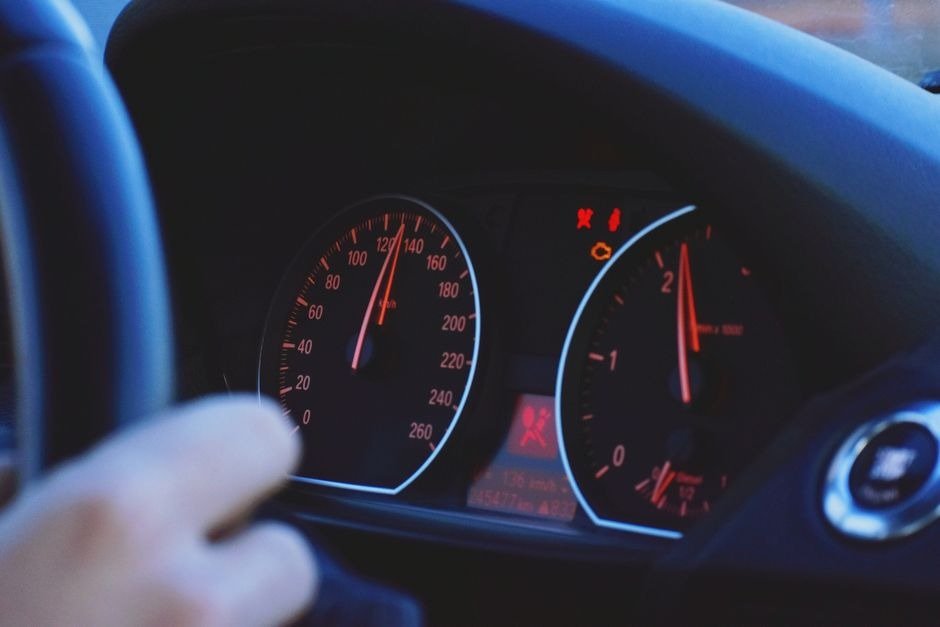
Getting a driver’s license can feel like gaining independence. But owning a car involves much more than learning to steer, park, and navigate traffic. It also means managing costs, understanding maintenance, choosing insurance, keeping records, and recognizing problems before they become expensive. Building reliable habits early makes ownership safer, more predictable, and easier to budget for.
Your first car is a financial education
A vehicle costs money even when it is parked. Fuel is only one expense. Registration, insurance, routine servicing, tires, inspections, and unexpected repairs all contribute to the true cost of ownership.
The purchase price can be misleading, especially with an older used car. Deferred maintenance may mean a battery, brake pads, belts, or fluids need attention soon after purchase. A newer vehicle may need fewer immediate repairs but can cost more to insure or maintain.
Create a simple record of every expense. A spreadsheet or notes app is enough. Track fuel, service dates, mileage, repairs, and renewal deadlines. The record helps estimate costs and identify recurring problems.
Learn the language used during maintenance
Repair conversations can be confusing when basic terms are unfamiliar. A tire rotation moves tires between wheel positions to encourage even wear. Wheel alignment adjusts suspension angles so the tires meet the road correctly. Coolant helps regulate engine temperature, while engine oil lubricates moving parts.
Learning the basic terminology for new drivers makes it easier to understand a service recommendation, read the owner’s manual, and compare repair estimates. You need enough knowledge to ask what was inspected, what was found, and how soon the work is necessary.
Check tires and basic safety items regularly
Tires affect braking, handling, comfort, and fuel economy. Check pressure at least monthly when tires are cold, and use the recommended pressure listed in the owner’s manual or on the vehicle information label—not the maximum pressure printed on the tire. Look for cuts, bulges, uneven tread wear, or objects lodged in the rubber.
The National Highway Traffic Safety Administration’s tire safety guidance explains pressure checks, tread condition, and routine tire care. Check headlights, brake lights, turn signals, and wipers regularly.
Insurance is a major part of the budget
Insurers assess risk using factors such as driving history, vehicle type, location, and coverage choices. New drivers may face higher premiums because they have less experience behind the wheel. Get quotes before choosing a car; insurance can change what looks affordable.
Understand the main coverage types. Liability generally covers injury or damage you cause to others. Collision helps pay for damage to your vehicle after a crash, while comprehensive coverage applies to certain non-collision events, such as theft or storm damage. A deductible is the amount you pay toward a covered claim before insurance pays the rest.
Ask insurers about available discounts, usage-based programs, and the effect of different deductibles. Choose coverage based on what you could afford after an accident, not just the monthly price.
The cheapest car may cost more over time
A low purchase price does not guarantee affordability. Before buying a used vehicle, review its service records, check its history, and arrange an independent inspection. Look for fluid leaks, unusual noises, warning lights, tire wear, rust, and signs of previous damage.
A history report cannot replace a mechanic’s inspection. The Federal Trade Commission’s guide to buying a used car from a dealer explains why buyers should review the vehicle’s history, understand warranty terms, and seek an independent inspection.
Research typical maintenance needs and parts availability for the model. Compare fuel consumption, insurance, service intervals, and likely repairs—not just the asking price.
Driving habits influence wear and repair costs
Hard acceleration, repeated harsh braking, speeding over potholes, and ignoring tire pressure can increase wear. Frequent short trips may also affect some vehicles differently from longer drives. Smooth acceleration and steady braking reduce unnecessary wear.
Avoid carrying unnecessary heavy items, and pay attention to changes in how the car feels. Investigate new vibrations, pulling, squeals, or unusual smells. Good driving habits support safety and can help keep running costs under control.
Treat dashboard warnings seriously
Warning lights are not decorations. The check engine light can indicate a range of issues, from an emissions fault to an engine problem. Oil-pressure and engine-temperature warnings can signal conditions that require you to stop safely and switch off the engine. A flashing warning light or sudden change in performance should never be ignored.
Keep the owner’s manual accessible and learn the symbols for your vehicle. If a warning appears, consult the manual and seek qualified advice rather than assuming it will disappear. Continuing to drive with a serious fault can turn a manageable repair into major damage.
Keep digital and paper records organized
Use your phone to store invoices, inspection reports, registration details, insurance documents, and maintenance reminders. Digital tools make records easier to retrieve, but check information against the manufacturer’s schedule and your owner’s manual. Online advice may not fit your vehicle.
Also check for safety recalls using the vehicle identification number. If a recall applies, contact the manufacturer or an authorized service center for instructions. Organized records can help with future repairs and demonstrate responsible maintenance when you sell the vehicle.
Build habits that make ownership manageable
Responsible ownership is mostly consistent attention, not complicated expertise. Check tires, listen for unfamiliar sounds, follow the service schedule, keep documents current, and ask questions when a repair recommendation is unclear. Set aside money regularly for maintenance instead of waiting for an unexpected bill.
Your first car will teach you about budgeting, planning, and accountability. You do not need to know everything immediately. Learn the basics, keep useful records, and respond early when something changes. Keep a basic emergency kit with a flashlight, first-aid supplies, warning equipment, and a phone charger. Know where the spare tire and jack are stored before you need them. Those habits make car ownership more manageable and help you enjoy the independence that came with earning your license.
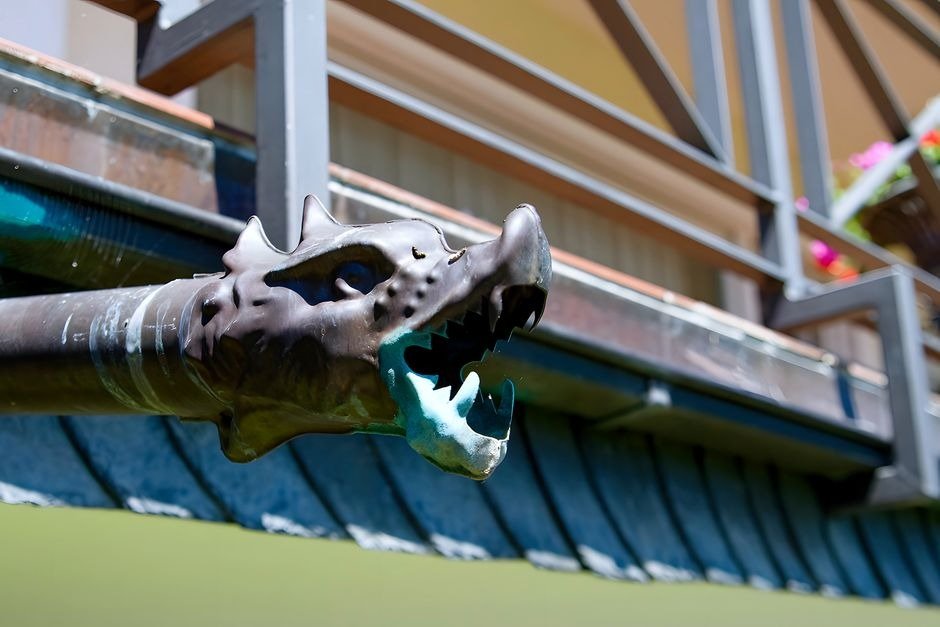
If you run or manage a commercial property, drainage probably sits low on your priority list until something goes wrong. In a place like Tampa, where intense rain, flat terrain, and high groundwater can combine fast, that delay gets expensive. Water problems rarely stay hidden for long. They move from soggy landscaping to cracked pavement, from pooling near entryways to insurance headaches, tenant complaints, and repair bills that land at the worst possible time.
Tampa’s weather and ground conditions make water management more technical
Tampa properties face a specific mix of drainage pressure points. Heavy seasonal downpours can overwhelm grading that seemed adequate during dry months. Some sites also deal with compacted soil, low-slope lots, or older stormwater layouts that no longer match current runoff patterns.
That means water management often needs more than a quick trench or a few catch basins. You may need regrading, French drains, downspout extensions, yard drains, sump systems, or a coordinated runoff plan based on how water moves across the full parcel. If you’re comparing drainage services in Tampa, it helps to look for a company that understands the local rainfall intensity, soil behavior, and the practical constraints of built-up commercial lots rather than treating every property the same way.
Drainage problems usually start small, then spread into operations
Most drainage failures don’t begin with a dramatic flood. You’re more likely to notice standing water near a loading zone, mulch washing into walkways, or soil erosion around the building perimeter. Those signs look manageable, so many property owners delay action.
That hesitation can hurt daily operations. Employees track mud indoors, customers avoid entrances, and moisture starts affecting hardscape, foundations, and exterior finishes. On commercial sites, even minor pooling creates slip-risk exposure and opens the door to premises liability concerns. If you own retail, office, hospitality, or multifamily property, drainage isn’t just a maintenance issue. It affects uptime, curb appeal, safety, and the long-term value of the asset.
The hidden costs often show up far beyond the wet area
When business owners think about drainage costs, they usually picture excavation and installation. The bigger losses often come later and in places that seem unrelated. Repeated moisture intrusion can shorten the life of pavement, fencing, retaining walls, and landscaped areas. Water near foundations may also trigger structural movement, especially if soil expands, erodes, or settles unevenly.
Then there are the indirect costs. Tenants notice recurring site issues. Customers notice poor access during storms. Maintenance teams spend more time on cleanup than prevention. Insurance claims may rise, and property managers end up reacting to each storm instead of solving the underlying problem. A drainage issue that looks cosmetic on day one can become a budget leak that keeps draining time and money across several departments.
A proper assessment should focus on water movement, not guesses
A good drainage evaluation goes beyond spotting puddles. You want someone who can read grade transitions, roof runoff discharge points, gutter output, low spots, soil saturation patterns, and where water exits or gets trapped. On commercial properties, that assessment should also account for traffic flow, ADA access, landscaping plans, parking layout, and utility conflicts.
This matters because the wrong fix can make conditions worse. For example, redirecting runoff away from one problem zone may send it toward a neighboring structure or create erosion along a fence line. Adding drains without adequate discharge planning can leave the system overloaded during major storms. The goal isn’t just to remove visible water. The goal is to control the entire drainage pathway from collection to discharge with minimal disruption to the site.
Smart property owners treat drainage as part of asset protection
Drainage work tends to get approved only after visible failure, but stronger operators view it as part of capital preservation. That approach changes decision-making. Instead of asking how little can be done, you start asking which intervention best protects the building envelope, hardscape, landscaping, and occupancy experience over time.
For example, a commercial property with recurring overflow near the entrance may benefit from a combination of grading corrections and subsurface drainage rather than repeated surface patch jobs. A multifamily complex with persistent soggy lawn areas may need redesigned runoff collection to protect both irrigation zones and resident walkways. These aren’t cosmetic upgrades. They reduce future repairs, preserve appearance standards, and make site performance more predictable during severe weather.
Vendor selection should be based on site logic and execution detail
If you’re hiring a drainage contractor, the proposal should tell a clear story. You should be able to understand where water enters the problem, how the system will collect it, where it will discharge, and how the work fits your site conditions. Vague promises like “improved runoff” aren’t enough when you’re spending serious money on exterior infrastructure.
Ask specific questions. What type of drain system is being installed? How will slope be established and verified? What materials are being used underground? How will the plan prevent clogging or backup? What maintenance will the system need after installation? Strong contractors can answer these without dodging into generalities. On commercial properties especially, execution details matter because one design error can affect landscaping, pavement integrity, and pedestrian safety all at once.
Maintenance and monitoring decide whether the solution keeps working
Even a well-designed drainage system needs periodic attention. Leaves, sediment, roots, and debris can slowly reduce performance until the original issue starts creeping back. If your site has multiple drainage inlets, landscaped swales, or underground piping, regular inspection should be part of your maintenance calendar rather than something you remember after a storm.
A practical approach is to check known low points before and during the rainy season, inspect discharge areas after major downpours, and document any recurring saturation zones with photos. That gives you a performance record instead of relying on memory. For business owners and property managers, drainage maintenance is less about perfection and more about catching changes early. The earlier you identify reduced flow or new pooling, the less likely you are to face major remediation later.
Water control is one of the least glamorous and most important investments
Drainage doesn’t attract attention the way a renovated lobby or new signage does. Still, it protects almost every visible part of your property from avoidable wear. In Tampa, where heavy rain can test a site fast, ignoring runoff patterns can turn minor nuisances into operational and structural problems.
If your property already shows signs of poor drainage, waiting usually raises the final price. The smarter move is to assess the site thoroughly, choose a solution that matches how water actually behaves on the lot, and treat drainage as essential infrastructure. When you do that, you’re not only fixing puddles. You’re protecting access, safety, appearance, and the long-term performance of the business asset you depend on.

What Puppy Training Really Looks Like in a Big City

Save Story Online: 9 Best Instagram Story Downloaders for 2026

Why Hoodie Design Is More Complicated Than It Looks: Construction, Weight, and Fit Explained

Who Is Keiko Fujimoto? All About Sunny Balwani’s Former Wife

Bandit Lee Way: Everything to Know About Gerard Way and Lyn-Z’s Daughter

Meet David Scott Simon: Alison Berns’ Husband and His Private Life
-
 Celebrity3 months ago
Who Is Keiko Fujimoto? All About Sunny Balwani’s Former Wife
-
 Celebrity3 months ago
Bandit Lee Way: Everything to Know About Gerard Way and Lyn-Z’s Daughter
-
 News3 months ago
Meet David Scott Simon: Alison Berns’ Husband and His Private Life
-

 Celebrity3 months ago
Who Is Fred Tillman? The Full Story of Kelly McGillis’s Former Husband
-

 News4 months ago
Meet Carol Marlow: The Full Story of Tony Dow’s Private Ex Wife
-

 News3 months ago
Meet Morgan Kay Beamer: The Todd Beamer’s Daughter
-

 Celebrity2 months ago
Who Is Alice Young? Meet Neil deGrasse Tyson’s Wife
-

 Celebrity3 months ago
Meet Kelly Stewart-Harcourt: The Story of Jimmy Stewart’s Daughter