
Blog
Wash Fold Service: The Laundry Day Fix You Didn’t Know You Needed


Laundry has a strange way of piling up faster than life slows down. One minute your hamper is manageable, the next it’s a mountain threatening to take over the bedroom floor. For busy households, students, professionals, and anyone who’d rather spend their weekend doing literally anything else, Wash Fold service from Farmingdale Laundry Co offers a refreshingly simple solution.
This isn’t about dropping off a bag and hoping for the best. It’s about handing over a chore that eats hours of your week and getting back clean, neatly folded clothes without lifting a finger. If you’ve never used a professional wash and fold service before, or you’re wondering whether it’s worth the switch from doing laundry at home, this post breaks down exactly what to expect and why so many people are making the change.
What Does a Wash Fold Service Actually Include?
A wash fold service typically covers everything between the moment your dirty clothes leave your hands and the moment they return, clean and folded, ready to be put away. At Farmingdale Laundry Co, that means sorting by color and fabric type, washing with care, drying at appropriate temperatures, and folding each item with precision.
No more guessing which setting is safe for your favorite sweater. No more separate loads for whites, darks, and delicates taking over your entire Saturday. The team handles the sorting logic so you don’t have to think twice about it.
Many services also offer add-ons like stain treatment, fabric softener preferences, or special packaging for items like bedding and towels. It’s worth asking about these details upfront so your expectations line up with what’s delivered.
Why More People Are Switching to Professional Laundry Services
Doing laundry at home sounds simple in theory. In practice, it swallows time that could go toward work, family, or simply resting. Between sorting, washing, drying, folding, and putting everything away, a single laundry cycle can take two to three hours of active attention, not counting the time clothes spend sitting in the machine.
Outsourcing that process frees up a meaningful chunk of the week. For parents juggling school drop-offs and work deadlines, for professionals working long hours, or for anyone who simply dislikes the chore, that time adds up fast.
There’s also a quality argument. Professional equipment often handles larger loads more efficiently than a standard home washer and dryer, which can mean fewer wrinkles, more even drying, and consistent results load after load. Clothes come back smelling fresh, folded neatly, and ready to wear or store immediately.
How Farmingdale Laundry Co Makes Laundry Day Effortless
Farmingdale Laundry Co was built around a simple idea: laundry shouldn’t dominate anyone’s schedule. The process is designed to be as low-effort as possible from start to finish.
Customers drop off their laundry, or schedule a pickup, and specify any preferences for detergent, fabric softener, or special handling of delicate items. From there, the team takes over. Clothes are weighed, sorted, washed, dried, and folded according to those preferences, then packaged for return.
Turnaround times are kept fast without sacrificing care. Most orders are ready within 24 to 48 hours, which means laundry no longer has to be planned around an entire weekend. For recurring customers, Farmingdale Laundry Co also offers subscription options that build laundry service directly into a weekly or biweekly routine, removing the chore from the to-do list entirely.
Who Benefits Most From Wash Fold Services?
Not everyone’s laundry needs look the same, but several groups tend to see the biggest benefit from switching to a professional service.
Busy professionals often find that outsourcing laundry gives back hours each week that can go toward work or rest instead. Parents and large families dealing with higher laundry volume benefit from not having to run multiple loads every few days. Students balancing coursework and part-time jobs appreciate not having to find time for laundromat trips between classes. And anyone recovering from injury or illness can lean on the service when physical tasks like lifting heavy baskets or standing at a machine aren’t realistic.
Even people who don’t fall into these categories often use wash fold services occasionally, especially during busy seasons, after travel, or when life simply gets overwhelming.
Making the Most of Your Wash Fold Experience
Wash Fold services make laundry day easier by taking care of your everyday washing needs while allowing you to enjoy fresh, clean clothes with less effort. Farmingdale Laundry Co values clear communication and accommodates special instructions whenever possible, whether you’re bringing delicate fabrics, stained garments, or items that require low-heat drying to help preserve their quality.
It also helps to separate items you don’t want included, like dry-clean-only garments, so everything that goes through the wash and fold process gets treated appropriately. Being upfront about preferences the first time around sets the stage for a smoother experience with every future order.
Ready to Reclaim Your Weekends?
Laundry doesn’t have to be the thing standing between you and a free Saturday. Farmingdale Laundry Co takes the sorting, washing, drying, and folding off your plate, so you can spend that time on something that actually matters to you. Whether it’s a one-time drop-off or a recurring subscription, getting started is as simple as scheduling your first pickup and letting the team handle the rest.
Frequently Asked Questions
How much does a wash fold service typically cost?
Pricing usually depends on weight, with most services charging per pound of laundry. Rates vary based on location and any add-on services requested, such as stain treatment or special folding instructions.
How long does a wash fold order take to complete?
Most wash fold orders are completed within 24 to 48 hours, depending on volume and any special requests included with the order.
Can I request specific detergents or fabric softeners?
Yes. Most wash fold services, including Farmingdale Laundry Co, allow customers to specify detergent and fabric softener preferences, including options for sensitive skin or fragrance-free products.
Is wash fold service suitable for delicate fabrics?
Delicate items can often be included with the right instructions provided upfront. It’s best to flag any garments that need special care so they’re handled appropriately during washing and drying.
Is a subscription cheaper than one-time orders?
Subscription plans are typically more cost-effective for regular users, since they build laundry service into a routine and often come with discounted per-pound rates compared to one-off orders.
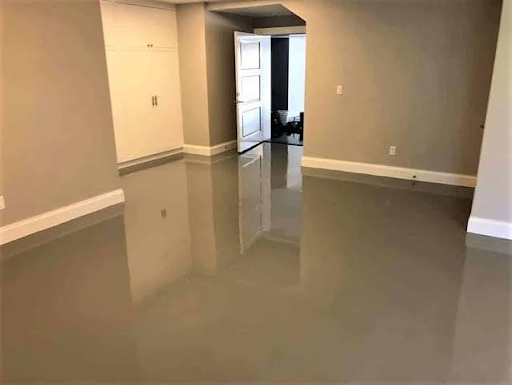
Basements have a bad reputation. Damp, dark, and often treated as storage purgatory, they’re the most underutilized square footage in most New England homes. Yet with the right flooring solution, that same space can become a home gym, a media room, or even a rental unit that pays for itself. The secret isn’t a renovation budget that rivals a kitchen remodel — it’s a durable, moisture-resistant floor coating that solves the problems basements are famous for.
Boston homeowners face a particular challenge. Harsh winters, humid summers, and aging foundations mean basement floors take a beating from moisture, temperature swings, and concrete that was never designed to be seen, let alone lived on. Bare concrete cracks, stains, and sweats condensation in the summer months. Paint peels within a year or two. Carpet traps mold. None of these are good long-term answers for a space you actually want to use.
That’s where a professional-grade epoxy or polyaspartic coating changes the equation. These systems bond directly to concrete, sealing out moisture, resisting stains, and creating a surface that’s easy to clean and genuinely pleasant to walk on barefoot. They’re available in dozens of colors and finishes, from sleek solid tones to flake systems that mimic natural stone, so the final look fits whatever vision you have for the room — whether that’s a polished home office or a durable play area for kids.
Why Basement Concrete Needs More Than Just Paint
Standard latex paint might look fine for a few months, but basement concrete presents challenges that typical paint was never engineered to handle. Hydrostatic pressure pushes moisture up through the slab from the ground below, especially in older Boston homes built on less-than-ideal drainage. That moisture lifts paint right off the surface, leaving behind peeling chips and a patchy floor within a year.
Industrial-grade coatings work differently. They’re formulated to bond at a molecular level with concrete, and many systems include moisture-vapor barriers specifically designed to handle the kind of dampness common in below-grade spaces. The result is a floor that stays intact season after season, regardless of how much humidity builds up in July or how much salt and snowmelt tracks in during February.
What Makes a Basement Floor Coating Worth the Investment
A quality coating does more than protect concrete — it changes how a basement functions day to day.
Moisture resistance: Sealed coatings prevent water vapor from seeping through the slab, reducing musty odors and the conditions that encourage mold growth.
Durability: Properly applied epoxy and polyaspartic systems can last 10 to 20 years with minimal maintenance, even in high-traffic areas.
Easy cleaning: Spills wipe away in seconds. There’s no grout to scrub or carpet fibers to deep clean, which matters a lot if the space doubles as a workout room or kids’ play area.
Improved lighting: Glossy coatings reflect ambient light, making a naturally dark basement feel noticeably brighter without adding a single new fixture.
Increased home value: A finished, usable basement adds real square footage to a home’s livable space, which matters to appraisers and future buyers alike.
Choosing the Right Finish for Your Space
Not every basement serves the same purpose, so the ideal coating finish depends on how the room will be used.
For a home gym or workout area, a textured, slip-resistant finish adds safety during high-intensity activity. For a media room or office, a smooth, solid-color epoxy creates a polished look that feels more like a finished living space than a utility area. Flake or metallic finishes work well in basements that double as entertaining spaces, since they hide minor imperfections in the concrete while adding visual depth.
Color also plays a bigger role than most homeowners expect. Lighter tones like soft gray or beige help offset the natural darkness of below-grade rooms, while deeper tones can ground a space that already gets plenty of natural light from egress windows.
Why Professional Installation Matters in Older Boston Homes
Boston’s housing stock includes a huge share of homes built before modern concrete standards and moisture-control practices were common. That means older basements often have inconsistent slab thickness, hairline cracks, or existing moisture issues that aren’t visible until a coating is applied incorrectly and starts failing.
A DIY epoxy kit from a hardware store rarely accounts for these variables. Professional installers test for moisture content, grind and prep the concrete properly, and select a coating system engineered for the specific conditions of the space. Skipping this step is the most common reason basement coatings fail within the first year.
Get a Basement You’ll Actually Want to Spend Time In
Transform your damp, underused basement into one of the most functional rooms in your house with a basement floor coating designed to handle Boston’s toughest moisture conditions. Garage Floor Coating of Boston specializes in moisture-resistant, long-lasting concrete coatings tailored to the unique challenges of New England basements. Their team evaluates your slab’s condition, addresses existing moisture issues before installation, and applies a coating system built to perform for decades, not just a season or two.
Whether the goal is a home gym, a cozy family room, or simply a basement that doesn’t smell musty every spring, a professional coating makes it possible without a full renovation. It’s a straightforward upgrade with an outsized impact on how a home feels and functions.
If your basement has been sitting unused because the floor feels more like a liability than an asset, now is a good time to change that. A well-installed floor coating turns wasted square footage into genuinely usable living space, and it starts with a single call to a team that knows exactly how Boston basements behave.
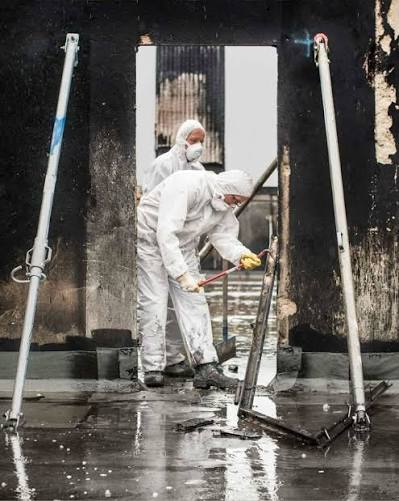
A house fire is one of the most disorienting experiences a homeowner can face. One moment, life is normal — the next, you’re standing outside watching smoke curl from windows that used to frame your living room. Even after the flames are out, the real work is just beginning. Soot clings to walls, water from the fire hoses pools in the basement, and the smell of smoke seems to settle into every fiber of your home.
If you’ve just experienced a fire, you’re probably wondering what to do first. This guide walks through the immediate steps to take after a fire, what the restoration process actually looks like, and how choosing the right team can mean the difference between a stressful ordeal and a smooth recovery.
What Should You Do Immediately After a House Fire?
Safety comes first. Before you step back into your home, wait for the fire department to confirm it’s structurally safe to enter. Fires weaken floors, ceilings, and walls in ways that aren’t always visible to the eye.
Once you’re cleared to go back in, here’s what matters most:
- Contact your insurance company right away. The sooner you file a claim, the sooner the recovery process can begin.
- Document everything. Take photos and videos of the damage before anything is moved or cleaned.
- Avoid cleaning on your own. Soot and smoke residue can be deceptively harmful, and improper cleaning can actually drive stains deeper into surfaces.
- Secure the property. Boarding up broken windows and tarping damaged roofing prevents further damage from weather or intruders.
These steps protect both your safety and your insurance claim. But what comes after matters just as much — and that’s where professional restoration makes all the difference.
Why Does Fire Damage Require Professional Restoration?
Fire damage isn’t just about charred materials. Heat, smoke, and the water used to extinguish the flames combine to create a uniquely destructive aftermath. Smoke particles can travel through HVAC systems and settle into rooms that never saw flames. Water used during firefighting efforts often seeps into subfloors and drywall, creating the perfect environment for mold within 24 to 48 hours.
This is why DIY cleanup rarely solves the real problem. A professional restoration team doesn’t just clean visible soot — they assess structural integrity, test air quality, and address hidden moisture before it becomes a secondary disaster.
How Does the Restoration Process Work?
A thorough restoration typically follows several key phases:
- Inspection and damage assessment. Technicians evaluate the extent of fire, smoke, and water damage throughout the property.
- Water removal and drying. Since firefighting efforts often leave standing water, this step prevents mold growth and further structural damage.
- Smoke and soot removal. Specialized equipment and cleaning agents lift soot from walls, ceilings, and belongings without causing further staining.
- Deodorization. Smoke odor can linger long after visible damage is gone, requiring professional-grade air scrubbers and ozone treatments.
- Cleaning and repair. This final phase restores the property to its pre-fire condition, repairing structural elements and refinishing surfaces as needed.
Each of these steps requires specialized equipment and training. Attempting even one of them without the right tools can lead to incomplete restoration or long-term damage that surfaces months later.
How Long Does Fire Damage Restoration Take?
The restoration timeline depends on the extent of the damage. A small kitchen fire confined to one room might take a few days to a week to fully restore. A larger fire affecting multiple rooms or the structure itself can take several weeks to months, particularly if rebuilding is required.
Working with an experienced team speeds up this process considerably. Established restoration companies have relationships with contractors, access to industrial-grade drying equipment, and the experience to spot problems before they escalate — all of which shortens the time between disaster and normalcy.
Choosing a Restoration Partner You Can Trust
When your home has been damaged by fire, you need more than a cleanup crew — you need a team that understands the full scope of recovery, from the first phone call to the final walkthrough. Fire damage restoration is a deeply personal process, and having a team that treats your home with the same care they’d give their own makes all the difference during one of the hardest moments a family can face.
Tennessee Water and Fire specializes in exactly this kind of full-circle recovery. Their technicians are trained to handle every stage of the restoration process, from emergency water extraction to structural repairs, with the urgency and compassion that comes from years of hands-on experience. Rather than treating your home as just another job site, the team works closely with homeowners and insurance adjusters alike to make sure nothing gets overlooked.
What sets Tennessee Water and Fire apart is their responsiveness. Fire damage doesn’t wait for business hours, and neither does their team. Rapid response limits secondary damage from smoke and moisture, which can be the deciding factor between a manageable repair and a far more costly rebuild.
Moving Forward After the Fire
Recovering from a house fire is rarely simple, but it doesn’t have to be something you face alone. Understanding the restoration process — from the first call to your insurance company through the final repair — helps you feel more in control during a time that can otherwise feel chaotic.
If your home or business has recently experienced fire damage, don’t wait to start the recovery process. Reach out to Tennessee Water and Fire today to schedule an inspection and take the first step toward getting your space back to normal.
Power outages rarely announce themselves. One minute your lights are on, and the next, you’re relying on your standby generator to keep your home or business running. But what happens when that generator doesn’t start, stalls out, or runs rough right when you need it most? That’s the moment homeowners and business owners alike realize just how critical proper generator maintenance really is.
Generator Supercenter of the Triangle has spent years helping property owners across the region keep their backup power systems in peak condition. Whether you’re dealing with a residential standby unit or a commercial-grade system, understanding the warning signs of generator trouble can save you from costly downtime and unexpected headaches.
This post breaks down the most common generator issues, what causes them, and why timely professional service makes all the difference between a quick fix and a full system failure.
Why Generators Fail When You Need Them Most
Generators are mechanical systems, and like any machine, they experience wear over time. Fuel system issues, battery degradation, and clogged filters are among the leading culprits behind unexpected generator failure. Many of these problems develop slowly, which means a unit can appear to be working fine during routine testing but still fail during an actual power outage under full load.
Environmental factors play a role too. Humidity, temperature swings, and even small animals nesting near outdoor units can all contribute to performance issues. Add in the natural aging of internal components, and it becomes clear why even well-built generators need consistent attention.
The good news is that most generator problems are preventable or fixable with the right expertise. Catching small issues early typically costs far less than waiting for a complete breakdown.
Common Warning Signs Your Generator Needs Attention
Your Generator Won’t Start
A generator that fails to start is often dealing with a dead or weak battery, a faulty starter, or a fuel delivery problem. Since standby generators sit idle for long stretches between uses, batteries can lose charge without regular exercising cycles. If your unit’s self-test feature reports an error or simply stays silent, it’s time to have a technician take a closer look.
Unusual Noises During Operation
Grinding, knocking, or excessive rattling noises usually point to mechanical wear, loose components, or issues with the engine itself. Ignoring these sounds can lead to more significant internal damage, turning a manageable repair into a major overhaul.
Fuel Leaks or Strong Odors
Any noticeable fuel smell near your generator warrants immediate attention. Leaks not only pose safety hazards but also indicate deteriorating hoses, connections, or fuel lines that need prompt replacement.
Frequent Shutdowns or Inconsistent Power Output
If your generator starts but shuts off unexpectedly, or if it produces fluctuating power levels, this often signals problems with the voltage regulator, control board, or cooling system. Inconsistent output can also damage sensitive electronics connected to your home or business, making this an issue worth addressing quickly.
Visible Corrosion or Physical Damage
Outdoor generators are exposed to the elements year-round. Rust, corroded wiring, or cracked housing components compromise both performance and safety. Routine inspections help catch this kind of wear before it becomes a bigger problem.
The Value of Professional Maintenance and Service
Generators are complex systems that combine mechanical, electrical, and fuel components, all of which need to work together seamlessly. Attempting DIY fixes on a standby generator can be risky, both for the equipment and for personal safety, especially when dealing with fuel systems or electrical components.
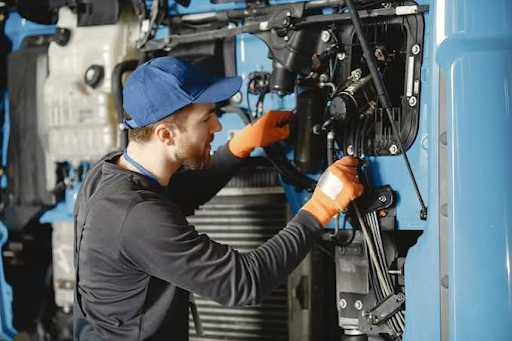
Working with trained technicians means your generator gets inspected by people who understand manufacturer specifications, local code requirements, and the specific demands of residential and commercial power systems. Scheduled maintenance visits typically include battery testing, oil and filter changes, fuel system inspections, and load testing to confirm the unit performs as expected under real-world conditions.
This proactive approach doesn’t just extend the life of your equipment. It also provides genuine peace of mind, knowing your backup power source will perform when you need it most, whether that’s during a summer storm or an unexpected winter outage.
Trusted Generator Repairs From a Team You Can Rely On
Count on expert generator repairs whenever your backup power system shows signs of trouble, because waiting too long to address a small issue can turn into an expensive and stressful situation down the road. Generator Supercenter of the Triangle specializes in diagnosing and resolving the full range of generator issues, from simple battery replacements to more involved engine and control board repairs.
Our technicians bring hands-on experience working with a wide variety of generator brands and models, which means you get accurate diagnostics and lasting solutions rather than temporary patches. We understand that every outage situation is different, so we tailor our service approach to match the specific needs of your home or business.
Choosing a team with deep local knowledge also means faster response times and a better understanding of the power challenges specific to the Triangle area, from seasonal storms to grid reliability concerns.
Keep Your Power Running When It Matters Most
A generator is only as reliable as the maintenance behind it. Staying alert to warning signs like unusual noises, inconsistent power output, or failed start attempts can help you address small issues before they become major disruptions.
If your generator hasn’t been serviced recently, or if you’ve noticed any of the warning signs mentioned above, now is the time to schedule an inspection. Reach out to Generator Supercenter of the Triangle to keep your backup power system ready for whatever comes next.

Transform Your Basement Into Livable Space with the Right Floor Coating

When Fire Strikes Your Home: What to Do Next (And Who to Call)

When Your Backup Power Fails: Signs It’s Time for Generator Repairs

Bandit Lee Way: Everything to Know About Gerard Way and Lyn-Z’s Daughter

Who Is Keiko Fujimoto? All About Sunny Balwani’s Former Wife

Meet David Scott Simon: Alison Berns’ Husband and His Private Life
-
 Celebrity3 months ago
Bandit Lee Way: Everything to Know About Gerard Way and Lyn-Z’s Daughter
-
 Celebrity3 months ago
Who Is Keiko Fujimoto? All About Sunny Balwani’s Former Wife
-
 News3 months ago
Meet David Scott Simon: Alison Berns’ Husband and His Private Life
-

 Celebrity3 months ago
Who Is Fred Tillman? The Full Story of Kelly McGillis’s Former Husband
-

 News4 months ago
Meet Carol Marlow: The Full Story of Tony Dow’s Private Ex Wife
-

 News3 months ago
Meet Morgan Kay Beamer: The Todd Beamer’s Daughter
-

 Celebrity3 months ago
Who Is Alice Young? Meet Neil deGrasse Tyson’s Wife
-

 Celebrity3 months ago
Meet Kelly Stewart-Harcourt: The Story of Jimmy Stewart’s Daughter