
Blog
Why Every Property Owner Should Take Tree Health Seriously

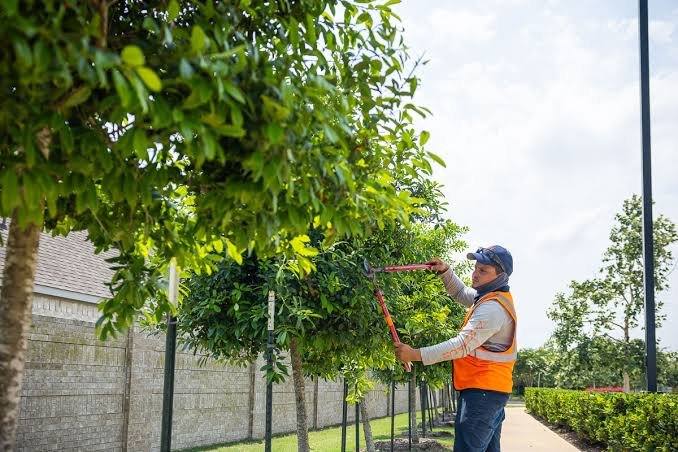
Trees do more than shade a backyard or frame a front porch — they quietly protect your home’s value, your family’s safety, and your local environment. Yet many property owners don’t think twice about their trees until something goes wrong: a split trunk after a storm, a branch crashing onto a roof, or roots buckling a driveway. By then, the damage is done and the cost of ignoring warning signs becomes painfully clear.
At Arborwright Tree Care, we believe healthy trees start with informed decisions. A tree that looks fine from the ground can be hiding decay, structural weakness, or disease that only a trained eye can catch. Understanding what to look for — and when to call in a professional — can save you from costly repairs, insurance headaches, and worse, injury to people on your property.
This post walks through the signs of tree trouble, why proactive care matters, and how Arborwright Tree Care helps homeowners and businesses keep their landscapes safe and thriving.
What Causes Trees to Become Hazardous?
Trees face a long list of stressors over their lifetimes. Some are natural, others are the result of human activity, but all can compromise a tree’s structural integrity if left unaddressed.
Age and Natural Decline
Like any living organism, trees age. Older trees are more prone to internal decay, especially if they’ve suffered wounds from storms, lawn equipment, or improper pruning in years past. Decay doesn’t always show on the outside — a tree can appear green and full while its core is hollowing out.
Storm Damage
High winds, heavy snow, and ice storms put enormous stress on branches and trunks. Even if a tree survives a storm without visibly falling, it may develop hairline cracks or weakened limb attachments that worsen over time.
Poor Planting or Soil Conditions
Trees planted too close to structures, in compacted soil, or in areas with poor drainage often develop weaker root systems. This makes them more susceptible to toppling during high winds or heavy rain.
Disease and Pest Infestation
Fungal infections, insect borers, and other pests can silently damage a tree from the inside out. By the time visible symptoms appear — like thinning canopy or bark discoloration — significant internal damage may have already occurred.
Warning Signs Homeowners Shouldn’t Ignore
You don’t need to be an arborist to notice when something seems off with a tree. Here are some red flags worth watching for:
- Leaning trunks: A sudden lean, or one that’s worsened over time, can indicate root failure.
- Cracks or splits: Visible cracks in the trunk or major limbs are a sign of structural weakness.
- Dead or hanging branches: Known as “widowmakers” in the industry, these can fall without warning.
- Fungal growth at the base: Mushrooms or conks growing near the trunk often point to root or trunk decay.
- Thinning canopy: A tree that’s losing leaves unevenly or earlier than its neighbors may be struggling with disease or root damage.
- Exposed or damaged roots: Construction, lawn mowing, or soil erosion can expose and injure roots, destabilizing the tree.
If you spot any of these signs, it’s worth getting a professional opinion before the situation escalates.
The Cost of Waiting Too Long
Many property owners delay tree care because a tree still “looks fine.” Unfortunately, waiting can turn a manageable problem into an expensive emergency. A weakened tree that falls during a storm can damage roofs, vehicles, fences, or power lines — and insurance companies may deny claims if they determine the tree showed prior signs of risk that went unaddressed.
Beyond property damage, there’s also a safety dimension. Falling limbs and trees are responsible for injuries and, in rare cases, fatalities every year. Taking a proactive approach isn’t just about protecting your wallet — it’s about protecting the people who live near and visit your property.
Regular tree maintenance, including pruning and health checks, also tends to be far less expensive than emergency removal after a failure. Prevention consistently costs less than reaction.
How Arborwright Tree Care Helps Keep Your Property Safe
This is where working with an experienced tree care team makes all the difference. Spotting hidden structural weaknesses before they turn into costly emergencies starts with a professional tree risk assessment, something our certified arborists at Arborwright Tree Care are trained to perform with precision.
During an assessment, our team examines the tree’s structure, root health, canopy condition, and surrounding environment to identify any risk factors that aren’t visible to the untrained eye. We look at trunk integrity, branch attachments, soil conditions, and signs of pest or fungal activity. From there, we provide clear, practical recommendations — whether that means routine pruning, cabling and bracing for extra support, or in more serious cases, removal.
What sets Arborwright Tree Care apart is our commitment to honest, education-first service. We don’t believe in pushing unnecessary work. Instead, we explain exactly what we find, why it matters, and what your options are, so you can make the best decision for your property and budget.
Our team also understands that every tree and every property is different. A mature oak near a busy street requires a different approach than a young maple in a quiet backyard. That’s why our assessments are tailored to the specific conditions and risks of your landscape, not a one-size-fits-all checklist.
Protecting Your Property Starts With a Conversation
Trees are an investment — in your property’s value, in your home’s curb appeal, and in the environment around you. Protecting that investment doesn’t require constant worry, but it does require attention. A small crack, a leaning trunk, or a patch of fungus at the base of a tree can be the first clue that something needs attention.
Arborwright Tree Care is here to help you stay ahead of problems before they become emergencies. Our certified arborists bring years of hands-on experience to every property we visit, combining technical knowledge with genuine care for the trees — and people — we serve.
If you’ve noticed any warning signs on your property, or simply want peace of mind about the health of your trees, reach out to Arborwright Tree Care today. A quick conversation with our team could save you time, money, and stress down the road.
Frequently Asked Questions
How often should I have my trees checked by a professional?
Most trees benefit from a professional check-up every one to two years, though older trees, trees near structures, or trees that have recently experienced storm damage should be evaluated more frequently.
Can a tree be saved once it shows signs of decay?
In many cases, yes. Depending on the extent of the decay, treatments like pruning, cabling, or soil improvement can extend a tree’s life and stability. Severe internal decay, however, may require removal for safety reasons.
Does Arborwright Tree Care handle emergency tree situations?
Yes, our team is equipped to respond to storm damage, leaning trees, and other urgent situations that pose an immediate safety risk.
Is tree removal always necessary for a hazardous tree?
Not always. Many hazardous trees can be stabilized or treated. Our arborists will always recommend the least invasive, most cost-effective solution that keeps your property safe.
Blog
Beyond Broadway’s Neon Lights: Discovering Nashville’s Most Memorable Entertainment Experiences


Nashville has built its reputation on music, but the city’s entertainment scene reaches far beyond the familiar sounds of Broadway’s honky-tonks. Behind the neon signs and crowded sidewalks, a different side of Music City is thriving, filled with immersive performances, creative gatherings, and unexpected nightlife experiences.
Visitors often arrive expecting country music, lively bars, and Southern hospitality. While those attractions remain essential to Nashville’s identity, the city also offers sophisticated event venues, artistic neighborhoods, intimate performances, and entertainment that appeals to remarkably different tastes.
Whether you’re planning a weekend getaway, celebrating a special occasion, or organizing a memorable evening with friends, exploring Nashville beyond its most recognizable attractions can reveal experiences you might otherwise miss.
The secret is knowing where to look and allowing enough flexibility for the city’s creative personality to surprise you.
Discover the Entertainment Scene Beyond Traditional Music Venues
Nashville’s entertainment landscape has evolved into something much broader than conventional concerts and crowded bars.
Modern venues now accommodate immersive performances, themed celebrations, private gatherings, and elaborate productions that combine music with visual storytelling.
When searching for an event space in Nashville, consider venues that offer more than a stage and seating. Lighting, acoustics, flexible layouts, and production capabilities can dramatically influence the atmosphere.
Aura Live, located in Nashville’s Wedgewood-Houston arts district, features customizable event layouts, sophisticated lighting, and professional sound systems for entertainment experiences.
Its expansive venue accommodates concerts, private celebrations, corporate gatherings, and immersive productions designed to create memorable occasions.
These spaces demonstrate how entertainment can become a complete sensory experience rather than simply a performance watched from a distance.
Exploring venues with distinctive programming can introduce visitors to a more contemporary side of Nashville.
Explore Wedgewood-Houston’s Creative After-Dark Atmosphere
For travelers interested in Nashville’s evolving cultural scene, Wedgewood-Houston offers an appealing alternative to the city’s busiest tourist corridors.
Often called WeHo, the neighborhood has developed a reputation for contemporary art, creative businesses, and distinctive gathering spaces.
Its combination of galleries, restaurants, and entertainment venues makes it worth exploring during an evening out.
Begin with dinner at a nearby restaurant before checking for exhibitions, performances, or special events.
Gallery openings and neighborhood activities can provide opportunities to experience Nashville’s artistic community in a more relaxed environment.
Because individual businesses maintain different schedules, confirm opening hours and event details beforehand.
The neighborhood is particularly appealing to visitors who appreciate creativity without necessarily wanting a traditional nightclub experience.
It also illustrates how Nashville continues expanding its entertainment identity beyond the music industry alone.
Turn an Ordinary Night Out Into a Themed Experience
A memorable evening doesn’t always require an expensive ticket or a famous performer.
Sometimes the difference comes from organizing several complementary activities around a particular theme.
For example, create a music discovery night featuring an early songwriter performance, dinner at a lively restaurant, and a late evening concert.
Alternatively, design an arts-focused outing that includes gallery visits, creative cocktails, and an unusual live performance.
Couples might prefer a romantic evening built around atmospheric dining and acoustic music.
Groups of friends could organize a celebration featuring dancing, interactive entertainment, and shared photographs.
Choose a central neighborhood whenever possible to minimize unnecessary transportation.
The objective is creating a cohesive experience rather than rushing between unrelated attractions.
A little planning can transform an ordinary night into a collection of connected memories.
Make Room for Nashville’s Interactive Entertainment
Watching talented performers is enjoyable, but participating in entertainment introduces an entirely different kind of excitement.
Nashville offers opportunities for visitors to become part of the experience through interactive attractions, recreational activities, and group challenges.
Consider escape rooms, recreational games, or activities that encourage friendly competition.
These experiences are particularly useful when traveling with people who have different musical preferences.
They also create natural opportunities for conversation and laughter.
Before booking, review age restrictions, accessibility information, group sizes, and reservation requirements.
If you’re organizing a birthday celebration or reunion, choose activities that encourage participation without making anyone uncomfortable.
Interactive entertainment can balance a weekend filled with concerts and sightseeing.
It provides variety while ensuring that everyone has opportunities to contribute to the fun.
Discover How Food and Entertainment Work Together
Nashville’s dining scene can play an important role in planning an entertaining evening.
Restaurants with live music, energetic atmospheres, or distinctive interiors can make dinner feel like part of the occasion.
Instead of treating meals as interruptions between attractions, choose dining experiences that complement your plans.
A casual Southern meal might suit an afternoon exploring downtown, while an intimate restaurant could provide the perfect beginning to a romantic evening.
Some establishments offer entertainment alongside food, allowing visitors to enjoy both without changing locations.
Check whether performances require separate admission or reservations.
During popular weekends, allow extra time for dining because crowded restaurants can disrupt tightly scheduled plans.
Consider leaving room for dessert or a late-night snack after the main event.
Nashville’s culinary variety makes it possible to build an evening around both exceptional flavors and memorable entertainment.
Plan Your Night Around the Experience, Not the Traffic
Entertainment districts can become crowded, particularly during weekends, major concerts, and special events.
Transportation planning can make the difference between an enjoyable evening and a frustrating one.
Choose attractions located reasonably close together and research parking options before leaving your accommodations.
Rideshare services may be convenient, although pickup locations and waiting times can vary during busy periods.
If your plans include alcohol, arrange a safe ride rather than driving.
Build extra time into your schedule when attending ticketed performances.
Arriving early allows you to find your seats, explore the venue, and settle into the atmosphere.
Avoid scheduling multiple events with tight transitions.
A relaxed itinerary often creates a better experience than an ambitious schedule that leaves everyone watching the clock.
Let Nashville Surprise You Before the Night Ends
One of Nashville’s greatest strengths is its ability to offer something unexpected.
An unfamiliar musician might become your favorite discovery, a neighborhood gallery could introduce you to an exciting artist, or a spontaneous conversation might lead to another memorable experience.
Leave some space in your itinerary for these possibilities.
Check local entertainment listings, ask residents about upcoming performances, and remain open to activities outside your usual preferences.
If you’re traveling with others, encourage everyone to suggest something different.
A successful entertainment-focused visit doesn’t require experiencing every famous attraction.
It requires finding moments that feel exciting, personal, and worth remembering.
By exploring creative neighborhoods, distinctive venues, live performances, and interactive experiences, you can discover a Nashville that extends far beyond Broadway’s bright lights.
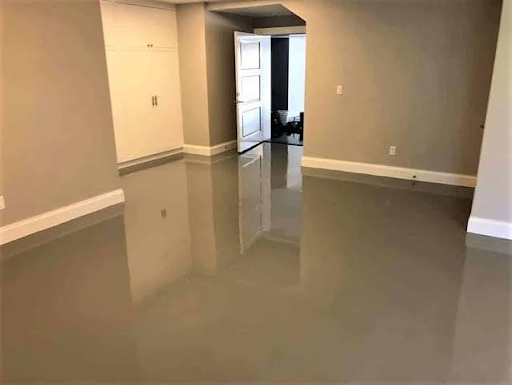
Basements have a bad reputation. Damp, dark, and often treated as storage purgatory, they’re the most underutilized square footage in most New England homes. Yet with the right flooring solution, that same space can become a home gym, a media room, or even a rental unit that pays for itself. The secret isn’t a renovation budget that rivals a kitchen remodel — it’s a durable, moisture-resistant floor coating that solves the problems basements are famous for.
Boston homeowners face a particular challenge. Harsh winters, humid summers, and aging foundations mean basement floors take a beating from moisture, temperature swings, and concrete that was never designed to be seen, let alone lived on. Bare concrete cracks, stains, and sweats condensation in the summer months. Paint peels within a year or two. Carpet traps mold. None of these are good long-term answers for a space you actually want to use.
That’s where a professional-grade epoxy or polyaspartic coating changes the equation. These systems bond directly to concrete, sealing out moisture, resisting stains, and creating a surface that’s easy to clean and genuinely pleasant to walk on barefoot. They’re available in dozens of colors and finishes, from sleek solid tones to flake systems that mimic natural stone, so the final look fits whatever vision you have for the room — whether that’s a polished home office or a durable play area for kids.
Why Basement Concrete Needs More Than Just Paint
Standard latex paint might look fine for a few months, but basement concrete presents challenges that typical paint was never engineered to handle. Hydrostatic pressure pushes moisture up through the slab from the ground below, especially in older Boston homes built on less-than-ideal drainage. That moisture lifts paint right off the surface, leaving behind peeling chips and a patchy floor within a year.
Industrial-grade coatings work differently. They’re formulated to bond at a molecular level with concrete, and many systems include moisture-vapor barriers specifically designed to handle the kind of dampness common in below-grade spaces. The result is a floor that stays intact season after season, regardless of how much humidity builds up in July or how much salt and snowmelt tracks in during February.
What Makes a Basement Floor Coating Worth the Investment
A quality coating does more than protect concrete — it changes how a basement functions day to day.
Moisture resistance: Sealed coatings prevent water vapor from seeping through the slab, reducing musty odors and the conditions that encourage mold growth.
Durability: Properly applied epoxy and polyaspartic systems can last 10 to 20 years with minimal maintenance, even in high-traffic areas.
Easy cleaning: Spills wipe away in seconds. There’s no grout to scrub or carpet fibers to deep clean, which matters a lot if the space doubles as a workout room or kids’ play area.
Improved lighting: Glossy coatings reflect ambient light, making a naturally dark basement feel noticeably brighter without adding a single new fixture.
Increased home value: A finished, usable basement adds real square footage to a home’s livable space, which matters to appraisers and future buyers alike.
Choosing the Right Finish for Your Space
Not every basement serves the same purpose, so the ideal coating finish depends on how the room will be used.
For a home gym or workout area, a textured, slip-resistant finish adds safety during high-intensity activity. For a media room or office, a smooth, solid-color epoxy creates a polished look that feels more like a finished living space than a utility area. Flake or metallic finishes work well in basements that double as entertaining spaces, since they hide minor imperfections in the concrete while adding visual depth.
Color also plays a bigger role than most homeowners expect. Lighter tones like soft gray or beige help offset the natural darkness of below-grade rooms, while deeper tones can ground a space that already gets plenty of natural light from egress windows.
Why Professional Installation Matters in Older Boston Homes
Boston’s housing stock includes a huge share of homes built before modern concrete standards and moisture-control practices were common. That means older basements often have inconsistent slab thickness, hairline cracks, or existing moisture issues that aren’t visible until a coating is applied incorrectly and starts failing.
A DIY epoxy kit from a hardware store rarely accounts for these variables. Professional installers test for moisture content, grind and prep the concrete properly, and select a coating system engineered for the specific conditions of the space. Skipping this step is the most common reason basement coatings fail within the first year.
Get a Basement You’ll Actually Want to Spend Time In
Transform your damp, underused basement into one of the most functional rooms in your house with a basement floor coating designed to handle Boston’s toughest moisture conditions. Garage Floor Coating of Boston specializes in moisture-resistant, long-lasting concrete coatings tailored to the unique challenges of New England basements. Their team evaluates your slab’s condition, addresses existing moisture issues before installation, and applies a coating system built to perform for decades, not just a season or two.
Whether the goal is a home gym, a cozy family room, or simply a basement that doesn’t smell musty every spring, a professional coating makes it possible without a full renovation. It’s a straightforward upgrade with an outsized impact on how a home feels and functions.
If your basement has been sitting unused because the floor feels more like a liability than an asset, now is a good time to change that. A well-installed floor coating turns wasted square footage into genuinely usable living space, and it starts with a single call to a team that knows exactly how Boston basements behave.

A house fire is one of the most disorienting experiences a homeowner can face. One moment, life is normal — the next, you’re standing outside watching smoke curl from windows that used to frame your living room. Even after the flames are out, the real work is just beginning. Soot clings to walls, water from the fire hoses pools in the basement, and the smell of smoke seems to settle into every fiber of your home.
If you’ve just experienced a fire, you’re probably wondering what to do first. This guide walks through the immediate steps to take after a fire, what the restoration process actually looks like, and how choosing the right team can mean the difference between a stressful ordeal and a smooth recovery.
What Should You Do Immediately After a House Fire?
Safety comes first. Before you step back into your home, wait for the fire department to confirm it’s structurally safe to enter. Fires weaken floors, ceilings, and walls in ways that aren’t always visible to the eye.
Once you’re cleared to go back in, here’s what matters most:
- Contact your insurance company right away. The sooner you file a claim, the sooner the recovery process can begin.
- Document everything. Take photos and videos of the damage before anything is moved or cleaned.
- Avoid cleaning on your own. Soot and smoke residue can be deceptively harmful, and improper cleaning can actually drive stains deeper into surfaces.
- Secure the property. Boarding up broken windows and tarping damaged roofing prevents further damage from weather or intruders.
These steps protect both your safety and your insurance claim. But what comes after matters just as much — and that’s where professional restoration makes all the difference.
Why Does Fire Damage Require Professional Restoration?
Fire damage isn’t just about charred materials. Heat, smoke, and the water used to extinguish the flames combine to create a uniquely destructive aftermath. Smoke particles can travel through HVAC systems and settle into rooms that never saw flames. Water used during firefighting efforts often seeps into subfloors and drywall, creating the perfect environment for mold within 24 to 48 hours.
This is why DIY cleanup rarely solves the real problem. A professional restoration team doesn’t just clean visible soot — they assess structural integrity, test air quality, and address hidden moisture before it becomes a secondary disaster.
How Does the Restoration Process Work?
A thorough restoration typically follows several key phases:
- Inspection and damage assessment. Technicians evaluate the extent of fire, smoke, and water damage throughout the property.
- Water removal and drying. Since firefighting efforts often leave standing water, this step prevents mold growth and further structural damage.
- Smoke and soot removal. Specialized equipment and cleaning agents lift soot from walls, ceilings, and belongings without causing further staining.
- Deodorization. Smoke odor can linger long after visible damage is gone, requiring professional-grade air scrubbers and ozone treatments.
- Cleaning and repair. This final phase restores the property to its pre-fire condition, repairing structural elements and refinishing surfaces as needed.
Each of these steps requires specialized equipment and training. Attempting even one of them without the right tools can lead to incomplete restoration or long-term damage that surfaces months later.
How Long Does Fire Damage Restoration Take?
The restoration timeline depends on the extent of the damage. A small kitchen fire confined to one room might take a few days to a week to fully restore. A larger fire affecting multiple rooms or the structure itself can take several weeks to months, particularly if rebuilding is required.
Working with an experienced team speeds up this process considerably. Established restoration companies have relationships with contractors, access to industrial-grade drying equipment, and the experience to spot problems before they escalate — all of which shortens the time between disaster and normalcy.
Choosing a Restoration Partner You Can Trust
When your home has been damaged by fire, you need more than a cleanup crew — you need a team that understands the full scope of recovery, from the first phone call to the final walkthrough. Fire damage restoration is a deeply personal process, and having a team that treats your home with the same care they’d give their own makes all the difference during one of the hardest moments a family can face.
Tennessee Water and Fire specializes in exactly this kind of full-circle recovery. Their technicians are trained to handle every stage of the restoration process, from emergency water extraction to structural repairs, with the urgency and compassion that comes from years of hands-on experience. Rather than treating your home as just another job site, the team works closely with homeowners and insurance adjusters alike to make sure nothing gets overlooked.
What sets Tennessee Water and Fire apart is their responsiveness. Fire damage doesn’t wait for business hours, and neither does their team. Rapid response limits secondary damage from smoke and moisture, which can be the deciding factor between a manageable repair and a far more costly rebuild.
Moving Forward After the Fire
Recovering from a house fire is rarely simple, but it doesn’t have to be something you face alone. Understanding the restoration process — from the first call to your insurance company through the final repair — helps you feel more in control during a time that can otherwise feel chaotic.
If your home or business has recently experienced fire damage, don’t wait to start the recovery process. Reach out to Tennessee Water and Fire today to schedule an inspection and take the first step toward getting your space back to normal.

Beyond Broadway’s Neon Lights: Discovering Nashville’s Most Memorable Entertainment Experiences

Transform Your Basement Into Livable Space with the Right Floor Coating

When Fire Strikes Your Home: What to Do Next (And Who to Call)

Bandit Lee Way: Everything to Know About Gerard Way and Lyn-Z’s Daughter

Who Is Keiko Fujimoto? All About Sunny Balwani’s Former Wife

Meet David Scott Simon: Alison Berns’ Husband and His Private Life
-
 Celebrity3 months ago
Bandit Lee Way: Everything to Know About Gerard Way and Lyn-Z’s Daughter
-
 Celebrity3 months ago
Who Is Keiko Fujimoto? All About Sunny Balwani’s Former Wife
-
 News3 months ago
Meet David Scott Simon: Alison Berns’ Husband and His Private Life
-

 Celebrity3 months ago
Who Is Fred Tillman? The Full Story of Kelly McGillis’s Former Husband
-

 News4 months ago
Meet Carol Marlow: The Full Story of Tony Dow’s Private Ex Wife
-

 News3 months ago
Meet Morgan Kay Beamer: The Todd Beamer’s Daughter
-

 Celebrity3 months ago
Who Is Alice Young? Meet Neil deGrasse Tyson’s Wife
-

 Celebrity3 months ago
Meet Kelly Stewart-Harcourt: The Story of Jimmy Stewart’s Daughter