
Blog
When an 18-Wheeler Changes Everything: What You Need to Know After a Truck Accident


A collision with a commercial truck rarely looks like a typical fender bender. The sheer size and weight difference between a loaded semi and a passenger vehicle means that even a moderate-speed crash can leave victims facing serious injuries, mounting medical bills, and months away from work. If you or someone you love has been hurt in a crash involving a tractor-trailer, delivery truck, or commercial vehicle, understanding your rights is the first step toward getting your life back on track.
Truck accidents are rarely as simple as they first appear. Unlike a standard car accident, these cases often involve multiple parties: the driver, the trucking company, the vehicle manufacturer, and sometimes even the company responsible for loading the cargo. Each of these parties may carry separate insurance policies, and each will likely have a legal team working to minimize their liability. Navigating this complexity alone, while recovering from an injury, is an uphill battle that few people are equipped to fight.
That’s where having the right legal team on your side makes all the difference. At De Prado | De la Osa, we’ve built our practice around helping injury victims cut through the confusion, hold negligent parties accountable, and secure the compensation they deserve.
Why Truck Accidents Are So Different From Car Accidents
The average commercial truck weighs up to 80,000 pounds when fully loaded—roughly 20 times heavier than the typical passenger car. That weight disparity means the forces involved in a truck collision are dramatically greater, which often translates into catastrophic injuries: spinal cord damage, traumatic brain injuries, broken bones, and in the most tragic cases, wrongful death.
Beyond the physical impact, truck accidents involve a layered web of regulations that simply don’t apply to standard car accidents. The Federal Motor Carrier Safety Administration (FMCSA) sets strict rules around driver hours of service, vehicle maintenance, and cargo loading. When a trucking company or driver cuts corners on any of these requirements, it can directly contribute to a crash. Identifying these violations requires a legal team that knows exactly where to look.
Common Causes of Truck Accidents
Understanding what causes these crashes can help clarify where liability may fall. Some of the most frequent contributing factors include:
- Driver fatigue. Long-haul truckers often face pressure to meet tight delivery schedules, sometimes leading to violations of mandated rest periods.
- Improper loading. Cargo that shifts or falls due to poor securing can cause a truck to lose control or jackknife.
- Mechanical failure. Worn brakes, tire blowouts, and faulty steering systems are frequently traced back to inadequate maintenance.
- Distracted or impaired driving. Just like any other motorist, truck drivers can be distracted by phones or impaired by substances.
- Inadequate training. Operating a commercial vehicle requires specialized skill, and insufficient training can leave drivers unprepared for emergency situations.
Each of these factors points to a different potential source of liability, which is why a thorough investigation is critical in building a strong claim.
What to Do Immediately After a Truck Accident
The moments and days following a truck accident can significantly affect the outcome of any future claim. If you’re able to, consider taking the following steps:
- Seek medical attention right away, even if injuries seem minor. Some symptoms, like those associated with concussions or internal injuries, may not appear immediately.
- Document the scene with photos and videos, including vehicle damage, road conditions, and any visible injuries.
- Gather witness information, as independent accounts can be invaluable later.
- Avoid discussing fault with insurance adjusters or the trucking company’s representatives before speaking with an attorney.
- Preserve evidence, including damaged property, medical records, and any correspondence related to the crash.
Trucking companies often send investigators to the scene within hours of a crash, working quickly to protect their interests. Having your own legal representation early can help level the playing field.
How Compensation Is Determined in Truck Accident Cases
Every truck accident case is unique, but compensation typically falls into a few key categories. Medical expenses, both current and future, often make up a significant portion of a claim, especially when injuries require ongoing treatment or rehabilitation. Lost wages and diminished earning capacity are also commonly factored in, particularly for victims facing extended recovery periods or permanent disability. Pain and suffering, which accounts for the physical and emotional toll of the accident, is another important consideration, along with property damage related to vehicle repair or replacement.
Because commercial trucking companies typically carry higher insurance policy limits than individual drivers, the stakes—and the potential for fair compensation—are often greater in these cases. However, that also means insurers are more motivated to fight claims aggressively, making skilled legal representation all the more important.
Why Choosing the Right Attorney Makes a Real Difference
A dedicated truck accident lawyer who fights to secure every dollar you deserve can make the difference between a lowball settlement and the compensation that truly covers your recovery. At De Prado | De la Osa, our team understands the technical and regulatory complexities that set these cases apart from standard car accident claims. We work with accident reconstruction experts, review driver logs and maintenance records, and dig into the details that insurance companies hope victims will overlook.
Our approach is built on genuine advocacy. We know that behind every case is a person whose life has been disrupted, and we treat every client with the attention and respect that circumstance deserves. From the initial consultation through negotiation or litigation, we keep communication clear and prioritize outcomes that reflect the true cost of what you’ve been through.
Moving Forward After a Truck Accident
Recovering from a serious truck accident takes time, patience, and the right support system. While no legal outcome can undo the physical and emotional toll of a crash, securing fair compensation can relieve financial pressure and allow you to focus on healing.
If you’ve been injured in a truck accident, you don’t have to face the process alone. The team at De Prado | De la Osa is ready to review your case, explain your options clearly, and advocate on your behalf every step of the way. Reach out today for a consultation and take the first step toward the resolution you deserve.
Frequently Asked Questions
How long do I have to file a truck accident claim?
Deadlines vary by state and case specifics, so it’s important to speak with an attorney as soon as possible after the accident to avoid missing any filing deadlines.
What if the truck driver wasn’t at fault, but their employer was negligent?
Liability can extend beyond the driver to include the trucking company, maintenance providers, or cargo loaders, depending on what caused the crash.
Do I need to go to court for my truck accident case?
Many truck accident claims are resolved through settlement negotiations, though some cases proceed to litigation if a fair agreement can’t be reached.


When someone you care about begins to struggle with daily tasks, the changes can be gradual and easy to miss. A parent who forgets to eat lunch, a sibling who stops leaving the house, or an aging relative who becomes withdrawn might all be sending signals that their needs have shifted. Recognizing these signs early makes it possible to step in with meaningful help before a crisis develops. Understanding what to watch for helps you provide the right kind of support at the right time.
1. Neglecting Personal Hygiene and Appearance
One of the clearest indicators that a loved one needs help is a sudden change in how they care for themselves. When someone who previously took pride in their appearance stops showering regularly, wears the same clothes for days, or neglects grooming habits, it often signals a deeper struggle. This change rarely happens without reason. Depression, illness, mobility issues, or cognitive decline can all make basic self-care feel overwhelming. A person might lack the energy, motivation, or physical ability to manage tasks they once handled automatically. If your loved one’s hygiene decline is recent and marked, a conversation about what’s making these tasks difficult can open the door to offering practical assistance.
2. Losing Weight or Showing Appetite Changes
Unexplained weight loss or a sudden disinterest in eating deserves attention. While some appetite fluctuation is normal, a significant change often indicates something is wrong. Your loved one might struggle to prepare meals due to arthritis or limited mobility, forget to eat because of cognitive issues, or feel too depressed to care about nutrition. Some people experience appetite loss as a side effect of medication or an undiagnosed health condition. Others simply lose interest in activities they once enjoyed, including eating. Noticing this pattern and gently asking about their eating habits can help you understand whether they need help with meal preparation, grocery shopping, or reminders to eat throughout the day.
3. Struggling with Household Chores and Maintenance
A home that was once tidy but now appears cluttered or dirty can reveal a lot about a person’s current capacity. Dishes pile up in the sink, laundry accumulates, dust settles, and trash overflows. These changes suggest your loved one lacks either the physical ability or the energy to manage these tasks. For an elderly person with arthritis, climbing stairs to do laundry might be genuinely painful. For someone dealing with depression, even small tasks can feel insurmountable, and for a person recovering from surgery or managing a chronic illness, household responsibilities might simply exceed their current strength. When these chores go undone consistently, it is a sign that daily support in the form of cleaning help, laundry assistance, or meal delivery could make a meaningful difference.
4. Becoming Socially Withdrawn or Isolated
People who suddenly withdraw from friends, family, and activities they once enjoyed are often struggling in ways they haven’t expressed out loud. Canceling plans repeatedly, declining invitations, or spending long stretches alone without explanation can point to depression, anxiety, health concerns, or simply exhaustion. Social isolation can worsen both physical and mental health, creating a difficult cycle where someone feels increasingly unable to re-engage with others. A loved one might pull away because they feel embarrassed about their current situation, worried about being a burden, or simply too overwhelmed to manage social interactions.
Families navigating these concerns and evaluating residential care options often find that Dewolfe Place provides a structured, community-oriented environment where seniors can rebuild social connection while receiving consistent daily support. Noticing this pattern and taking gentle steps to maintain connection, whether through regular visits, phone calls, or activities they can do from home, helps prevent deepening isolation and shows you are available to help.
5. Forgetting Important Appointments or Bills
Memory lapses around medical appointments, medication schedules, or bill payments can signal cognitive decline or simply overwhelming stress. Missing a doctor’s appointment might mean a health condition goes unmonitored, and skipped medications can cause serious complications. Late bills can damage credit and create financial stress on top of existing problems. Sometimes these lapses happen because a person is dealing with depression or anxiety that makes it hard to focus. Other times, they reflect early signs of dementia or other cognitive changes that need professional evaluation. If your loved one mentions confusion about dates, repeatedly misses important deadlines, or admits they’re struggling to keep track of things, offering help organizing their calendar or managing bills can prevent serious consequences while giving you insight into their overall wellbeing.
6. Expressing Hopelessness or Talking About Being a Burden
When someone you care about frequently mentions feeling like a burden, expressing hopelessness about the future, or suggesting that others would be better off without them, these are serious warning signs. Such statements often reflect depression, despair, or a loss of sense of purpose. Even if these comments seem casual, they deserve to be taken seriously and explored with compassion. A person feeling this way often needs professional mental health support in addition to the daily practical help you can provide. Listening without judgment, taking their feelings seriously, and connecting them with appropriate resources such as a therapist or counselor can be lifesaving. Continuing to show up for your loved one, even when they express despair, demonstrates that they matter and are not actually a burden.
7. Declining Physical Health or Complaining of Unexplained Pain
Frequent complaints of pain, sudden mobility issues, or a noticeable decline in physical stamina can indicate that your loved one needs more support than they currently have. They might struggle with chronic pain that makes movement difficult, or they could have developed a new health issue that requires attention. Sometimes an aging person simply has less strength and endurance than before, making everyday activities feel exhausting. A fall, an injury, or recovery from surgery can temporarily or permanently change what they can manage independently. When you notice these physical changes, understanding the cause through conversation or medical evaluation helps you determine what kind of support would be most useful. This might mean helping with transportation to appointments, assisting with physical tasks, or ensuring their living space is safe and accessible.
Conclusion
Recognizing when a loved one needs more daily support requires attention to patterns and willingness to have honest conversations about what you are observing. The seven signs covered here, ranging from changes in personal hygiene to expressions of hopelessness, all warrant a thoughtful response. Supporting someone is not always about grand gestures; often it involves showing up consistently, helping with practical tasks, listening without judgment, and sometimes connecting them with professional resources. If you notice several of these signs in someone you care about, the most helpful first step is to approach them with genuine concern and ask how they are actually doing. Many people struggle in silence simply because they do not want to ask for help. Your awareness and compassion can make an enormous difference in their life.
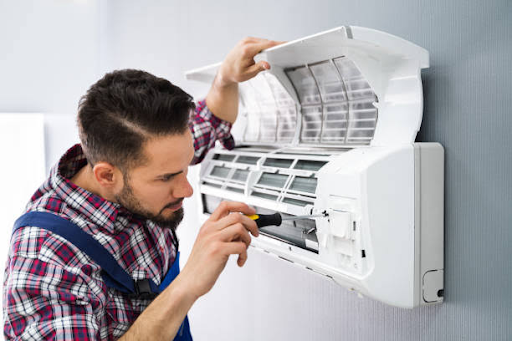
Florida summers don’t ease up. Temperatures climb into the nineties for months at a time, and humidity turns even a short walk outside into a sweat-soaked ordeal. When your air conditioner falters under that kind of pressure, comfort disappears fast — and so does patience. That’s where Stay Cool HVAC in Florida LLC steps in, bringing dependable cooling solutions to homeowners across the state who refuse to settle for a broken system during peak heat season.
The right HVAC partner matters more than most people realize until their unit stops working at the worst possible moment. A trustworthy team doesn’t just fix the immediate problem; it identifies the root cause, offers honest pricing, and treats your home with the same care they’d want for their own. Stay Cool HVAC has built its reputation on exactly that kind of service, and this post walks through why Florida families keep calling them back.
Florida’s Climate Pushes Air Conditioners to Their Limits
Air conditioning systems in Florida work harder than almost anywhere else in the country. Between the relentless heat and thick coastal humidity, units run nearly nonstop for half the year. That constant demand accelerates wear on compressors, coils, and electrical components, which means breakdowns happen more frequently here than in milder climates.
Homeowners often notice warning signs long before a full system failure — weak airflow, strange noises, or a thermostat that seems to be fighting a losing battle. Ignoring these symptoms rarely saves money. Small issues left unaddressed tend to snowball into expensive repairs or premature system replacement. Catching problems early is one of the simplest ways to protect your investment and keep your home livable through August.
Common Air Conditioning Problems Florida Homeowners Face
Certain issues show up again and again across Florida households, largely because of the environment these systems operate in. Recognizing them early can save both money and discomfort.
Refrigerant leaks rank among the most frequent culprits behind weak cooling. A system low on refrigerant struggles to pull heat out of your home, leaving rooms stuffy no matter how low you set the thermostat.
Clogged condensate drains are another common headache, especially given Florida’s humidity levels. When these lines back up, they can cause water damage and trigger automatic shutoffs designed to protect the unit.
Dirty or failing capacitors and motors also take a toll. Salt air near coastal areas and general humidity speed up corrosion, shortening the lifespan of critical components faster than manufacturers typically anticipate.
Thermostat malfunctions round out the list. Sometimes the air conditioner itself is fine, but a miscalibrated or aging thermostat sends the wrong signals, leading to inconsistent temperatures throughout the house.
What Makes Stay Cool HVAC Different
Plenty of companies claim fast service and fair pricing. Stay Cool HVAC in Florida LLC backs those claims with a track record built on transparency and genuine craftsmanship. Technicians arrive prepared to diagnose problems accurately rather than guessing or upselling unnecessary parts.
The company prioritizes clear communication from the first phone call. Customers receive upfront explanations of what’s wrong, what it will cost, and how long repairs will realistically take — no vague estimates or surprise charges after the fact. That kind of honesty builds the long-term trust that keeps families calling the same company year after year instead of searching for a new provider every summer.
Beyond repairs, Stay Cool HVAC emphasizes preventive maintenance. Regular tune-ups catch small issues before they become major failures, which ultimately extends the life of a system and reduces energy bills. For Florida homeowners, where air conditioners run almost year-round, that kind of proactive care pays for itself many times over.
Signs You Shouldn’t Ignore
Knowing when to call a professional can prevent a minor inconvenience from turning into a costly emergency. A few warning signs deserve immediate attention:
- Warm air blowing from vents despite the thermostat being set correctly
- Unusual rattling, grinding, or clicking noises from the outdoor or indoor unit
- A noticeable spike in energy bills without a change in usage habits
- Visible moisture or ice buildup around the system
- Frequent cycling on and off, known as short-cycling
Any one of these symptoms suggests the system is under stress. Addressing them quickly, rather than waiting for a complete breakdown, almost always costs less in the long run and keeps your home comfortable through the hottest stretches of the year.
Trust Stay Cool HVAC for Fast, Reliable Service
Stay cooler, faster, and worry-free with expert AC repair that gets your home back to comfortable temperatures the same day you call. Stay Cool HVAC in Florida LLC understands that a broken air conditioner isn’t just an inconvenience — it’s a genuine disruption to daily life, especially with Florida’s heat showing no signs of mercy. That’s why the team prioritizes rapid response times without cutting corners on quality.
Every technician arrives fully equipped to handle a wide range of issues on the first visit, minimizing the back-and-forth that so many homeowners dread with other service providers. Combined with transparent pricing and a genuine commitment to customer satisfaction, Stay Cool HVAC has become the trusted name for families who want their cooling systems handled right the first time.
Whether it’s a routine maintenance check or an unexpected system failure, Stay Cool HVAC in Florida LLC brings the expertise and reliability that Florida homes demand. Don’t wait for a small issue to become a sweltering emergency — reach out today and experience the difference a dedicated local team can make.
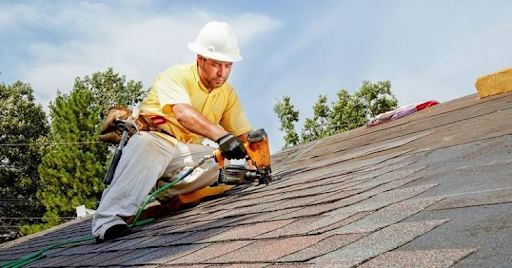
Your roof works harder than almost any other part of your home. It shields you from scorching summers, torrential rain, and heavy snow, all while taking a beating from sun exposure and temperature swings year after year. Most homeowners don’t think about their roof until something goes wrong, but by then, a small problem may have already turned into a costly repair.
Knowing when to replace your roof, rather than patch it up one more time, can save you money, stress, and the headache of unexpected leaks. This post walks through the telltale signs that your roof needs attention, what factors influence the decision to replace versus repair, and how Crown Residential Services LLC helps homeowners protect their biggest investment with confidence.
Whether you’ve noticed a few missing shingles or you’re simply planning, understanding your roof’s lifespan and condition puts you in the driver’s seat. Let’s break down what to look for and why timing matters more than you might think.
How Long Does a Roof Actually Last?
The lifespan of a roof depends heavily on the materials used and how well it’s been maintained. Asphalt shingle roofs, the most common choice for American homes, typically last between 20 and 25 years. Metal roofing can stretch beyond 40 years with proper care, while slate and tile roofs sometimes last a century or more.
Climate plays a major role too. Homes in regions with intense sun, heavy snowfall, or frequent storms often see faster wear and tear than those in milder climates. If your roof is approaching the upper end of its expected lifespan, it’s worth having it inspected even if you haven’t noticed obvious problems yet.
What Are the Warning Signs That You Need a New Roof?
Catching roof damage early can mean the difference between a straightforward repair and an emergency replacement. Here are the signs homeowners should never ignore.
Shingles Are Curling, Cracking, or Missing
Healthy shingles lie flat and form a tight seal against your roof deck. Once they start curling at the edges or cracking down the middle, they’re no longer doing their job effectively. Missing shingles expose your home to water infiltration and should be addressed right away, even if it’s just one or two spots.
You’re Finding Granules in Your Gutters
Asphalt shingles are coated with granules that protect against UV rays and weather damage. As shingles age, these granules begin to shed, often collecting in gutters and downspouts. A small amount of granule loss is normal, but excessive shedding is a sign your shingles are nearing the end of their useful life.
Daylight Is Visible Through Your Attic
Head up to your attic on a sunny day and look at the roof boards. If you see pinpricks of light coming through, that means there are gaps where water, pests, and cold air can also get in. This is one of the clearest indicators that your roof’s integrity has been compromised.
Your Energy Bills Have Crept Up
A roof in poor condition struggles to insulate your home properly. If you’ve noticed your heating and cooling costs rising without an obvious explanation, a failing roof could be letting conditioned air escape and outdoor temperatures seep in.
You Have Sagging Areas
A sagging roofline is a serious structural concern. It often points to water damage, rotting decking, or weakened support beams underneath the surface. This isn’t something to wait on, as sagging can worsen quickly and lead to more extensive (and expensive) damage.
Should You Repair or Replace Your Roof?
Not every roofing issue calls for a full replacement. If the damage is isolated, such as a few missing shingles after a storm, a targeted repair may be all you need. However, there are situations where replacement makes more financial and practical sense.
Choose repair if the damage is localized, your roof is less than halfway through its expected lifespan, and there’s no evidence of structural issues underneath. Choose replacement if your roof is approaching or past its expected lifespan, you’re dealing with widespread damage across multiple areas, or you’ve had recurring leaks despite previous repairs.
A professional inspection is the best way to determine which path makes sense for your specific situation. Roofing contractors can identify issues that aren’t visible from the ground and give you an honest assessment of your roof’s remaining lifespan.
What Factors Affect the Cost of a Roof Replacement?
Several variables influence how much a new roof will cost, and understanding them helps you budget appropriately.
Roof size and complexity: Larger roofs require more materials and labor. Roofs with multiple slopes, valleys, or dormers also take longer to complete and often cost more than simple, single-slope designs.
Material choice: Asphalt shingles remain the most budget-friendly option, while metal, tile, and slate come with a higher upfront cost but often last significantly longer.
Removal and disposal: If your old roof needs to be torn off before installation, that adds labor and disposal costs to the project.
Underlying damage: If your roofing contractor discovers rotted decking or structural damage once the old roof is removed, those repairs will add to the overall cost.
Getting a detailed, written estimate upfront helps avoid surprises once the project is underway.
Why Homeowners Trust Crown Residential Services LLC for Their Roofing Needs
When your home needs a new roof, choosing the right team makes all the difference between a smooth process and a stressful one. A properly installed roof replacement protects your home from costly water damage while boosting its curb appeal and resale value for years to come, which is exactly why so many homeowners turn to Crown Residential Services LLC when it’s time for an upgrade.
Crown Residential Services LLC brings years of hands-on roofing experience to every project, pairing quality materials with skilled craftsmanship. The team takes time to walk homeowners through every step, from the initial inspection to material selection, so there are no surprises along the way. Transparent pricing, dependable timelines, and a genuine commitment to customer satisfaction set Crown Residential Services LLC apart from other contractors in the area.
Every home is different, and so is every roofing project. Crown Residential Services LLC tailors its approach to match your home’s specific needs, local climate considerations, and budget, ensuring you get a roof that performs well and looks great for decades.
Ready to Protect Your Home for the Years Ahead?
A roof in good condition does more than keep you dry. It protects your family, preserves your home’s value, and gives you peace of mind through every season. If you’ve noticed any of the warning signs covered above, or if your roof is simply getting up there in age, now is the time to have it evaluated by a trusted professional.
Reach out to Crown Residential Services LLC to schedule an inspection and get a clear picture of your roof’s condition. A small step today can prevent major headaches down the road, and your home deserves nothing less than a roof built to last.

The Privacy Mistakes You Should Avoid in the Age of AI

7 Signs a Loved One Needs More Daily Support

Why Stay Cool HVAC Is Florida’s Go-To Choice for Air Conditioning Service

Who Is Keiko Fujimoto? All About Sunny Balwani’s Former Wife

Bandit Lee Way: Everything to Know About Gerard Way and Lyn-Z’s Daughter

Meet David Scott Simon: Alison Berns’ Husband and His Private Life
-
 Celebrity3 months ago
Who Is Keiko Fujimoto? All About Sunny Balwani’s Former Wife
-
 Celebrity3 months ago
Bandit Lee Way: Everything to Know About Gerard Way and Lyn-Z’s Daughter
-
 News3 months ago
Meet David Scott Simon: Alison Berns’ Husband and His Private Life
-

 Celebrity3 months ago
Who Is Fred Tillman? The Full Story of Kelly McGillis’s Former Husband
-

 News3 months ago
Meet Morgan Kay Beamer: The Todd Beamer’s Daughter
-

 News4 months ago
Meet Carol Marlow: The Full Story of Tony Dow’s Private Ex Wife
-

 Celebrity3 months ago
Who Is Alice Young? Meet Neil deGrasse Tyson’s Wife
-

 Celebrity3 months ago
Meet Kelly Stewart-Harcourt: The Story of Jimmy Stewart’s Daughter