
Business
From Market Stall to Storefront: A Practical Order of Operations for Taking Your Shop Online


Most small retailers do not fail online because they picked the wrong platform. They stall because they try to do everything at once — the website, the inventory sync, the ads, the Instagram Lives — in the same six weeks, with one person doing all of it. The shops that make it work tend to follow an order of operations: pick a sales channel they can actually staff, get one source of inventory right, then add complexity only when the simpler version is running without them.
Below is that order, written for an owner who already sells something — at a market, a brick-and-mortar space, a pop-up at a festival — and wants an online store that pulls its own weight within a season rather than someday.
Step one: choose the channel you can staff, not the one you admire
There are roughly four ways to sell online as a small shop, and they demand very different amounts of labor. A standalone online store gives you the most control and the cleanest customer data, but you own all the traffic problems. A marketplace listing hands you traffic and takes a cut of margin plus most of the customer relationship. Social commerce — shoppable posts, in-app checkout, product tags — sits in between. Live shopping, where you sell in real time on camera, converts exceptionally well for apparel and collectibles but is genuinely a performance job: someone has to be on camera, on schedule, with product staged and sized.
Be honest about hours. A functioning online store needs something like five to eight hours a week once it is built: photographing new arrivals, writing descriptions, packing orders, answering messages. A twice-weekly live show adds another four or five. If those hours do not exist in your week, launch the store and skip the live selling until you hire. A half-attended channel is worse than no channel, because customers notice the silence.
What “platform” decisions actually matter
Ignore feature lists for a moment and ask four questions. Can you add a product and publish it from your phone in under three minutes? Does the checkout work cleanly on a cheap Android phone on a weak connection? Can you export your customers and orders if you ever leave? And does the same system handle the way you already sell in person — because that is where the real time savings sit.
Step two: make in-person and online share one inventory
The single biggest operational win for a shop with a physical presence is one inventory count across both worlds. Sell the last medium at the counter and the website should stop offering it. Without that, you are refunding orders and apologizing weekly, which costs you repeat buyers far faster than any pricing mistake.
This is not a new idea, but it is a relatively recent convenience for small merchants. The push to merge the register and the website took shape in the early 2010s, when ecommerce providers began shipping card readers and iPad-based tills — a shift visible in the trade coverage of an early point-of-sale system built to unify online and brick-and-mortar retail. Before that, a boutique ran two separate stock lists and reconciled them by hand on Sunday nights. If you are still doing that, modern POS tooling tied to your store is the highest-leverage upgrade available to you.
Practical setup notes: barcode or SKU every item, even one-off vintage pieces; use a naming convention you will still understand in a year (brand–style–color–size); and do a full physical count before you go live so your opening numbers are real. A launch built on guessed stock levels will produce oversells within the first week.
Step three: fix sourcing before you fix marketing
Ad spend amplifies whatever your sourcing already is. If your margins are thin and your restocks are unpredictable, paid traffic just makes the problem louder. Get the supply side steady first: know your landed cost per unit, your minimum order quantities, your lead times, and which suppliers will actually reorder a bestseller instead of shrugging and offering you something “similar.”
For apparel in particular, the sourcing decision shapes everything downstream — photography, sizing policy, return rates, even how often you can run a live show with genuinely new product. Owners working out whether to buy at a regional apparel mart, order from an online wholesale marketplace, or commit to a private-label run will find that Shopline’s blog covers the mechanics of wholesale boutique clothing alongside its tools for building the store, running a register, and selling through social and live channels — which is useful if you want the sourcing advice and the software to speak the same language rather than piecing together guidance from five unrelated sources.
A sourcing checklist worth keeping on paper
- Landed cost: unit price plus freight, duties, and any per-order handling, divided by units actually sellable.
- Reorder window: how many days from placing an order to product on your shelf — and whether that holds in peak season.
- Size curve: what you buy versus what you sell; adjust after two seasons of real data, not one.
- Exclusivity: how many other shops within driving distance carry the same line.
- Return exposure: which categories you can resell if they come back, and which you cannot.
Step four: add recurring revenue where it genuinely fits
Subscriptions are oversold to retailers who have nothing consumable to subscribe to. They work when the product runs out on a predictable schedule — coffee, skincare refills, pet supplies, candles — or when the value is curation rather than a specific item, as with a styled accessories box. They work badly when customers must actively want each shipment, which is most fashion.
If you do launch one, start with a single tier, one cadence, and a cap on members. Fifty subscribers you can pack in an afternoon teaches you more than four hundred you cannot. Watch churn at months two and three: that is where the honeymoon ends and your curation gets judged.
Step five: buy traffic only after the shop converts
Paid ads, including search campaigns, are best thought of as rent on attention. Before paying it, confirm the basics: product pages with five or more real photos, written sizing or spec details, a visible shipping and returns policy, and a checkout you have personally tested on your own phone. Then start small and deliberately — a tight budget, a handful of bestsellers, and a single clear goal — and let the data run two to three weeks before judging anything. Shifting budgets daily is the most common way small advertisers burn money.
Track three numbers, not thirty: cost to acquire a customer, average order value, and repeat purchase rate at ninety days. If acquisition cost stays above your gross margin on a first order, the channel only works if customers come back — so make sure your email list, post-purchase follow-up, and restock notifications are actually functioning.
The back office you will need sooner than you think
Around the point where you are shipping a few dozen orders a week, spreadsheets stop scaling. Customer records drift, reorder reminders get missed, and nobody remembers which supplier promised what. This is when owners start comparing customer and operations systems — and sometimes their own skills, which is why a review of CRM and operations software alongside executive AI courses for small business owners is a reasonable next read for anyone planning past the launch phase.
Keep the stack boring. One store platform, one register tied to it, one email tool, one accounting file. Every extra system is another login, another export, another place for your numbers to disagree with themselves.
What a realistic first ninety days looks like
- Weeks 1–2: physical inventory count, SKU scheme, photograph your top 25 sellers.
- Weeks 3–4: build the store, write real product copy, publish policies, test checkout on three devices.
- Weeks 5–6: connect in-person selling so stock counts match, then run a quiet soft launch to existing customers.
- Weeks 7–9: add one social selling channel; if you can staff it, schedule a recurring live show at a fixed time.
- Weeks 10–13: introduce a small paid-ads test, review your three core numbers, and only then consider subscriptions or a second supplier.
None of this requires a developer or a big budget. It requires sequencing — and the discipline to leave the exciting channel for later, after the unglamorous work of counting stock and nailing down suppliers is genuinely done.

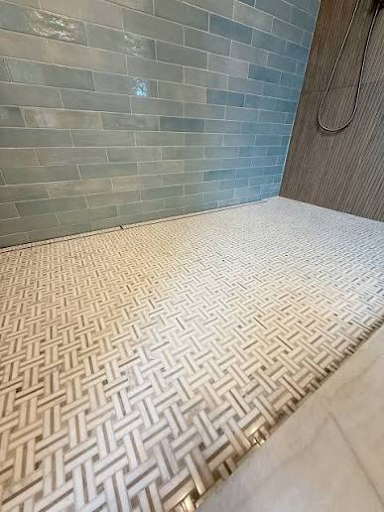
Few upgrades transform a home as dramatically as new tile. A well-chosen floor or backsplash doesn’t just catch the eye — it sets the tone for an entire room, blending durability with design in a way that few other materials can match. Yet tile selection and installation come with more nuance than most homeowners expect: the wrong grout line, an uneven subfloor, or a mismatched finish can undo even the most beautiful tile pattern.
That’s where the right guidance makes all the difference. Choosing tile isn’t simply about picking a color or texture you like in a showroom. It’s about understanding how that material will perform in your kitchen, bathroom, or outdoor patio — how it handles moisture, foot traffic, and the shifting light in your space throughout the day. Homeowners across New York are discovering that working with experienced tile professionals turns a stressful renovation decision into an exciting one.
This post walks through what makes tile such a valuable investment, the factors worth considering before your next project, and how expert installation can be the difference between a floor that looks good on day one and one that still looks stunning a decade later.
Why Tile Remains One of the Smartest Flooring Investments
Tile has stood the test of time for good reason. Unlike carpet, which wears down and traps allergens, or hardwood, which can warp with moisture, tile offers a rare combination of longevity and versatility. It resists water, scratches, and stains, making it ideal for kitchens, bathrooms, entryways, and high-traffic commercial spaces alike.
Beyond durability, tile also delivers serious design flexibility. From sleek porcelain planks that mimic natural wood to handcrafted mosaics that turn a shower wall into a focal point, there’s a tile style suited to nearly any aesthetic — modern, traditional, industrial, or anything in between. For homeowners looking to boost resale value, updated tile work in kitchens and bathrooms consistently ranks among the renovations buyers notice first.
What to Consider Before Choosing Your Tile
Picking the right tile involves more than aesthetics. A few key factors should guide the decision:
Room function: Bathrooms and kitchens need slip-resistant, water-resistant tile, while living spaces offer more flexibility in texture and finish.
Maintenance needs: Some natural stone tiles require regular sealing, while porcelain tends to be lower-maintenance and more forgiving for busy households.
Size and layout: Larger tiles can make small rooms feel more open, while intricate patterns work well in spaces meant to make a statement, like entryways or accent walls.
Budget and long-term value: Higher upfront costs for premium materials often pay off through reduced replacement and repair needs down the line.
Taking time to weigh these factors before committing to a tile style helps avoid costly do-overs and ensures the finished result matches both your vision and your lifestyle.
The Installation Process Matters as Much as the Material
Even the most beautiful tile can look disappointing — or fail prematurely — if it’s installed incorrectly. Proper installation involves careful subfloor preparation, precise spacing, correct adhesive selection, and attention to detail in cutting and fitting around corners, fixtures, and transitions.
Poor installation often shows up later in the form of cracked grout, uneven tiles, or water seepage behind walls. These issues are not just cosmetic; they can lead to costly structural repairs over time. This is why working with skilled installers, rather than attempting a complex tile job as a do-it-yourself project, tends to save homeowners both time and money in the long run.
Professional tile installers also bring an eye for design cohesion — knowing how to align patterns, balance grout lines, and recommend finishing touches that elevate the overall look of a space.
Bringing Your Vision to Life with the Right Partner
Trusted for quality craftsmanship and personalized service, Roma Tile of New York helps homeowners and businesses turn tile ideas into lasting results. Whether the project involves a full kitchen remodel, a bathroom refresh, or a custom tile feature for a commercial space, having a knowledgeable partner guide material selection and installation makes the entire process smoother and more rewarding.
A strong tile partner doesn’t just install flooring — they help clients navigate decisions around layout, color coordination, and durability requirements specific to their space. That kind of guidance often makes the difference between a renovation that feels overwhelming and one that feels exciting from start to finish.
Making Your Next Tile Project a Success
Tile remains one of the most practical and visually rewarding upgrades a home or business can make. It combines durability with design versatility in a way few materials can match, and when installed correctly, it can elevate a space for decades to come.
If you’re planning a renovation, take the time to think through how the space will be used, what maintenance level fits your lifestyle, and who will be handling the installation. The right preparation — paired with skilled craftsmanship — ensures your new tile doesn’t just look great on installation day, but continues to impress for years afterward.
Ready to explore tile options for your next project? Reach out to a trusted local expert and start turning your vision into a space you’ll love coming home to.
FAQ
How long does a typical tile installation take?
Most residential tile projects, such as a bathroom or kitchen floor, take between two and five days depending on room size, tile type, and any necessary subfloor repairs.
Is porcelain or ceramic tile better for high-traffic areas?
Porcelain tile is generally more durable and water-resistant than ceramic, making it a strong choice for entryways, kitchens, and other high-traffic spaces.
Do I need to reseal my tile floors regularly?
This depends on the material. Natural stone tiles often require periodic sealing, while glazed porcelain and ceramic tiles typically need little to no sealing maintenance.
Can tile be installed over an existing floor?
In some cases, yes — but it depends on the condition and material of the existing floor. A professional assessment helps determine whether removal or direct installation is the better approach.

Buying into a franchise feels exciting right up until the paperwork lands on your desk. Disclosure documents stretch for hundreds of pages, royalty structures hide in footnotes, and territory rights get buried under legal jargon that most business owners never learn to read. That’s the moment when a qualified legal partner stops being optional and starts being essential.
The Franchise Firm built its practice around exactly this moment. Founders, investors, and first-time franchisees come to the firm carrying a stack of documents and a head full of questions, and they leave with a clear understanding of what they’re signing and why it matters. This isn’t about slowing down the process with excessive caution. It’s about making sure the excitement of opening a new business doesn’t eclipse the due diligence that protects it.
Franchising operates on a different legal framework than most people expect. State and federal regulations govern disclosure timelines, registration requirements, and relationship terms in ways that vary significantly depending on where you plan to operate. A contract that looks standard on its surface can contain clauses that limit your ability to sell the business later, restrict your sourcing options, or lock you into renewal terms that favor the franchisor at every turn. Catching these details requires more than a quick read. It requires someone who has spent years inside franchise law and knows exactly where the risks tend to hide.
What Does a Franchise Attorney Actually Review in a Franchise Agreement?
A franchise agreement is rarely just one document. It typically includes a Franchise Disclosure Document (FDD), the operating agreement, lease terms if real estate is involved, and sometimes separate agreements covering supply chains or technology licensing. Each of these pieces interacts with the others, and a weak clause in one can undercut protections written into another.
The Franchise Firm’s review process starts with the FDD, since federal law requires franchisors to provide this document at least 14 days before any agreement is signed or payment is made. That window exists specifically so prospective franchisees have time to seek legal counsel, yet many people let it pass without consulting anyone. Within the FDD, the firm examines fee structures, territory protections, termination conditions, and litigation history involving the franchisor. These sections often reveal patterns that aren’t obvious to someone evaluating the opportunity for the first time.
Why Does Territory Protection Matter So Much?
Territory language determines whether another franchise location can open two miles down the road and cut your customer base in half. Some agreements grant exclusive territories with clearly defined boundaries. Others use vague language that gives the franchisor room to approve nearby locations whenever it serves their growth strategy. Reviewing this section carefully before signing can mean the difference between a protected investment and a crowded market a few years down the line.
How Much Does Hiring a Franchise Attorney Typically Cost?
Legal fees for franchise review vary depending on the complexity of the agreement and the scope of work involved, but the investment tends to be small relative to the overall cost of a franchise purchase. Most franchise opportunities require an initial investment ranging from tens of thousands to well over a million dollars when real estate and buildout costs are included. Spending a fraction of that amount on legal review before signing is a decision that protects the larger investment rather than adding unnecessary expense to it.
Choose a flat-fee or itemized review if you want cost certainty from the outset. Choose an hourly arrangement if your situation involves negotiation with the franchisor, since that process can shift in scope depending on how responsive the other side is. The Franchise Firm works with clients to structure fee arrangements that match the complexity of their specific deal, so costs stay predictable rather than surprising.
What Happens If You Sign a Franchise Agreement Without Legal Review?
Skipping legal review doesn’t always cause immediate problems. Many franchisees sign agreements without a lawyer and operate successfully for years. The risk shows up later, often during a dispute, a renewal negotiation, or an attempt to sell the business. That’s when clauses nobody noticed at signing suddenly dictate what options are available, and by then, renegotiating from a position of strength becomes much harder.
Common issues that surface after the fact include non-compete restrictions that limit what a franchisee can do if the relationship ends, renewal terms that allow the franchisor to impose new fees, and personal guarantee clauses that put individual assets at risk beyond the business itself. Each of these provisions is negotiable at the outset in many cases, but only if someone catches them before the signature goes on the page.
When Should You Bring in Legal Support During the Franchise Process?
Hiring an experienced franchise attorney early in your due diligence process gives you the negotiating leverage and legal clarity needed to secure better terms before you commit to anything. The earlier legal counsel gets involved, the more room there is to negotiate changes, request clarification from the franchisor, or walk away from a deal that doesn’t hold up under scrutiny. Waiting until after signing eliminates most of that leverage, since the agreement is already binding.
The Franchise Firm typically recommends reaching out as soon as a prospective franchisee receives the FDD, well before any deposit changes hands. This timing allows enough room to review the document thoroughly, ask the franchisor pointed questions about ambiguous terms, and request amendments where appropriate. Franchisors expect this kind of scrutiny from serious buyers, and a well-prepared legal team often earns more respect at the negotiating table than a buyer moving forward without one.
Beyond the initial agreement, ongoing legal support matters during renewals, territory disputes, and any point where the franchisor proposes changes to operating standards. Franchise relationships last for years, sometimes decades, and having a legal partner who understands the original agreement makes every subsequent negotiation smoother.
Protect Your Franchise Investment From Day One
Franchising offers a path to business ownership with built-in brand recognition and operational support, but that path still runs through a legal agreement that favors the party who wrote it. Reading that agreement with a trained eye before signing changes the entire trajectory of the relationship, from the fees you pay to the flexibility you retain if circumstances change.
The Franchise Firm has guided franchisees through this process across a wide range of industries, bringing the kind of focused legal experience that catches problems before they become expensive. If you’re evaluating a franchise opportunity or preparing to renew an existing agreement, reach out before any paperwork gets signed. The conversation costs far less than the mistakes it prevents.


Every successful construction project begins with accurate planning. Before contractors order materials, hire workers, or submit a final bid, they need to understand exactly what the project will require. For wood-framed buildings, one of the most important parts of this process is determining the quantity and type of lumber needed.
Lumber is used extensively in residential, commercial, and multifamily construction. It can be required for wall framing, floor systems, roofs, structural components, sheathing, blocking, and many other applications. Because these materials can represent a significant portion of a project’s budget, inaccurate calculations can create unnecessary expenses.
Professional Lumber Takeoff Services help contractors convert construction drawings into detailed material quantities. Instead of relying on rough calculations, contractors can use organized takeoff information to support bidding, purchasing, budgeting, and project planning.
What Is a Lumber Takeoff?
A lumber takeoff is a detailed calculation of the wood materials required to complete a specific construction project or scope of work.
The process begins with reviewing architectural and structural drawings. The estimator examines floor plans, elevations, sections, framing plans, roof plans, schedules, and project specifications to identify the required lumber products.
Depending on the project, a lumber takeoff may include:
- Wall studs
- Plates
- Joists
- Rafters
- Beams
- Headers
- Posts
- Columns
- Blocking
- Plywood
- OSB sheathing
- Dimensional lumber
- Engineered wood
- LVL beams
- Glulam beams
- Other wood framing materials
The final quantities are usually organized by size, material type, length, or project area so contractors can easily use the information during estimating and purchasing.
Why Lumber Quantities Matter
Ordering lumber without accurate quantities can create several problems.
If a contractor orders too little material, additional orders may be necessary during construction. This can result in delivery costs, schedule disruptions, and additional coordination with suppliers.
Ordering too much material can also be problematic. Excess inventory ties up capital and may increase waste, storage requirements, and handling costs.
Accurate takeoffs help contractors establish a more realistic material requirement before placing orders.
For larger projects, even a small percentage difference in material quantities can represent a considerable financial amount. This makes detailed quantity calculations especially important for contractors working on high-volume construction projects.
Lumber Takeoffs and the Bidding Process
Contractors often have limited time to prepare construction bids. They may receive a large set of drawings and only have a few days to review the project and submit a proposal.
Manually calculating every lumber component can consume valuable estimating time.
Professional Lumber Takeoff Services can streamline this process by providing organized quantities that contractors can use when preparing their bids.
Once the lumber quantities are available, contractors can apply current supplier prices to determine material costs. Labour and other expenses can then be added to develop the overall project estimate.
This allows contractors to prepare bids based on documented quantities rather than assumptions.
Supporting Competitive Pricing
Construction bidding requires a careful balance.
Contractors need to offer a price that is competitive enough to win the project, but the bid must also cover the actual cost of completing the work and provide room for profit.
If lumber quantities are underestimated, the contractor may submit a bid that appears attractive but does not adequately cover the project’s material requirements.
If quantities are significantly overestimated, the resulting bid may become unnecessarily expensive.
A detailed takeoff gives contractors a stronger foundation for determining the appropriate material cost and developing a competitive proposal.
Residential Lumber Takeoffs
Residential construction is one of the most common applications for lumber takeoffs.
Single-family homes, townhouses, apartment buildings, and other residential structures often require extensive wood framing. The estimator may need to calculate quantities for exterior walls, interior walls, floors, roofs, and other structural components.
For a typical residential project, the takeoff can involve reviewing numerous sheets and determining the quantity of different lumber sizes and products.
The estimator may also need to account for sheathing, blocking, headers, plates, and other components that are easy to overlook during a quick review.
A detailed takeoff helps provide a complete picture of the wood materials required.
Commercial Lumber Takeoffs
Commercial projects can involve significantly more complex framing requirements.
Depending on the building design, commercial construction may use a combination of dimensional lumber, engineered wood products, structural panels, and other materials.
The estimator may need to coordinate architectural and structural plans to determine how different materials are intended to work together.
For larger commercial projects, the quantity of lumber can be substantial. Accurate takeoff information becomes important not only for estimating but also for procurement and scheduling.
Understanding Engineered Wood Products
Modern construction does not rely exclusively on traditional dimensional lumber.
Engineered wood products are commonly used in structural applications where specific strength and performance requirements need to be met.
These products can include laminated veneer lumber, laminated strand lumber, parallel strand lumber, I-joists, and glulam components.
Identifying these materials correctly is an important part of a professional lumber takeoff.
An estimator needs to review structural drawings and specifications to determine the required sizes, quantities, and applications.
Simply estimating all wood materials as standard lumber can result in inaccurate quantities and costs.
The Role of Construction Drawings
The quality of a lumber takeoff depends heavily on the quality and completeness of the construction documents.
Architectural drawings provide information about the building layout, while structural drawings often contain specific details about framing members and structural requirements.
The estimator may need to compare information across multiple sheets to determine the complete scope.
For example, a floor plan may show the general layout, while structural details provide information about joist sizes, beam requirements, or framing connections.
Reviewing these documents together can help reduce the risk of missing important material requirements.
Reviewing Project Specifications
Drawings are not always enough to determine every material requirement.
Construction specifications may provide additional information about lumber grades, treatment requirements, sheathing types, fasteners, engineered wood products, and other materials.
Professional estimators review specifications alongside drawings to develop a more complete takeoff.
This is especially important when the project requires specific material grades or products that have different costs from standard alternatives.
Digital Technology Makes Takeoffs More Efficient
Technology has changed the way modern construction takeoffs are prepared.
Instead of printing large sets of drawings and performing every measurement manually, estimators can use digital takeoff software to work directly with electronic plans.
Digital tools can help with:
- Linear measurements
- Area calculations
- Item counting
- Material categorization
- Drawing markups
- Quantity organization
- Revision tracking
- Takeoff reporting
For lumber projects, digital tools can make it easier to measure walls, floors, roof areas, and other components.
However, technology should support professional expertise rather than replace it. An experienced estimator still needs to understand the drawings and construction methods behind the measurements.
Handling Plan Revisions
Construction projects frequently experience drawing revisions.
Architects and engineers may issue updated plans because of design changes, client requests, engineering adjustments, or coordination issues.
When drawings change, lumber quantities may also change.
A reliable takeoff process should make it possible to review revised drawings and identify differences from previous versions.
This helps contractors avoid relying on outdated quantities when preparing bids or ordering materials.
Reducing Material Waste
Waste is an unavoidable part of construction, but excessive waste can increase project costs.
Accurate quantity calculations help contractors make better purchasing decisions. By understanding the expected material requirements, purchasing teams can plan orders more carefully.
Estimators can also consider appropriate waste allowances based on the type of material and construction application.
The goal is not necessarily to eliminate waste completely but to avoid unnecessary over-ordering while ensuring sufficient material is available for the project.
Helping Contractors With Material Procurement
Once a project has been awarded, contractors need to purchase materials according to the construction schedule.
A detailed lumber takeoff can help purchasing teams communicate their requirements to suppliers.
Instead of requesting general pricing for an unspecified quantity, contractors can provide organized material lists showing the required sizes and quantities.
This can make supplier communication more efficient and help contractors compare different quotations.
It can also support scheduling by identifying major material requirements before construction reaches each phase.
Lumber Takeoffs for Subcontractors
Lumber takeoffs are not limited to general contractors.
Framing contractors and other specialty subcontractors can also use detailed takeoffs when preparing proposals.
A framing subcontractor may need to determine the quantity of studs, joists, beams, sheathing, headers, and other materials before submitting a price to a general contractor.
Accurate quantities help subcontractors develop proposals that reflect the actual project scope.
This can reduce the risk of discovering significant material requirements after the subcontract has already been priced.
Connecting Takeoffs With Labor Costs
Material quantities are only one part of construction estimating.
Contractors also need to determine how much labor will be required to install the materials.
For example, a project with a large amount of wall framing may require additional labor compared with a smaller project.
Once lumber quantities are known, contractors can use them as a starting point for estimating installation labor.
This creates a more complete cost picture and allows the material takeoff to contribute directly to the overall construction estimate.
Quality Control in Lumber Takeoffs
Before a takeoff is finalized, it should be reviewed for accuracy and completeness.
Quality control can include checking measurements, reviewing material categories, comparing quantities against drawings, and confirming that specifications have been considered.
A second review can sometimes identify items that were overlooked during the initial takeoff.
This additional step can be particularly valuable for large projects where a single omission may affect a significant quantity of material.
Why Professional Expertise Matters
Lumber takeoffs may appear straightforward, but complex projects require a strong understanding of construction documents and framing methods.
An experienced estimator knows how to interpret architectural and structural drawings and can recognize relationships between different project components.
They can also identify potential discrepancies and clarify requirements when information is unclear.
This combination of construction knowledge and estimating technology can produce more useful and reliable takeoff reports.
When Contractors Should Consider Outsourcing
Some construction companies have internal estimating departments, while others operate with small teams.
During busy bidding periods, internal estimators may not have enough time to handle every project.
Outsourcing Lumber Takeoff Services can provide additional estimating capacity without requiring a company to hire permanent staff.
This can be especially useful when contractors receive multiple projects at the same time or need specialized support for a large framing project.
Conclusion
Accurate material quantities are an important part of successful construction planning. Lumber can represent a significant expense in wood-framed projects, making reliable quantity calculations essential for bidding, procurement, budgeting, and cost control.
Professional Lumber Takeoff Services help contractors transform architectural and structural drawings into organized material quantities. These takeoffs can support competitive bids, reduce purchasing uncertainty, improve material planning, and provide a stronger foundation for labour and cost calculations.
By combining experienced estimators with modern digital takeoff technology and careful review of construction documents, contractors can approach their projects with better information.
A detailed lumber takeoff is more than a list of materials. It is a practical planning tool that can help construction professionals make smarter decisions from the initial bid through material procurement and project execution.

Why Stay Cool HVAC Is Florida’s Go-To Choice for Air Conditioning Service

Is Your Roof Ready for Another Winter? Signs You Need a Replacement

Elevate Every Room with Tile Experts from Roma Tiles in New York

Who Is Keiko Fujimoto? All About Sunny Balwani’s Former Wife

Bandit Lee Way: Everything to Know About Gerard Way and Lyn-Z’s Daughter

Meet David Scott Simon: Alison Berns’ Husband and His Private Life
-
 Celebrity3 months ago
Who Is Keiko Fujimoto? All About Sunny Balwani’s Former Wife
-
 Celebrity3 months ago
Bandit Lee Way: Everything to Know About Gerard Way and Lyn-Z’s Daughter
-
 News3 months ago
Meet David Scott Simon: Alison Berns’ Husband and His Private Life
-

 Celebrity3 months ago
Who Is Fred Tillman? The Full Story of Kelly McGillis’s Former Husband
-

 News4 months ago
Meet Carol Marlow: The Full Story of Tony Dow’s Private Ex Wife
-

 News3 months ago
Meet Morgan Kay Beamer: The Todd Beamer’s Daughter
-

 Celebrity3 months ago
Who Is Alice Young? Meet Neil deGrasse Tyson’s Wife
-

 Celebrity3 months ago
Meet Kelly Stewart-Harcourt: The Story of Jimmy Stewart’s Daughter