
Blog
Hard Starts and Black Smoke: How to Read a Diesel Fuel System Before It Strands You


A diesel engine rarely fails without warning. It stammers at idle for a few weeks, takes an extra second to light off on cold mornings, loses a little pull on the long grade outside town, and then one Tuesday it simply refuses to start in a parking lot. Almost every one of those complaints traces back to the same handful of components: the injection pump, the injectors, the turbocharger, and the plumbing that feeds them. Learning to read the symptoms in order — rather than throwing parts at the problem — is what separates a two-hour diagnosis from a two-week guessing game.
This is written for the person who actually owns the truck, the tractor, or the standby generator: someone with hand tools, a decent multimeter, and a willingness to crawl under a machine before calling for help.
What the injection pump is actually doing
On a diesel, there is no spark and no throttle plate. Power is metered entirely by how much fuel arrives in the cylinder and exactly when. The injection pump is the device that raises low-pressure fuel from the tank to the enormous pressures needed to atomize it, and that times the delivery to within fractions of a crankshaft degree.
Older inline pumps use a camshaft and a separate plunger-and-barrel element for each cylinder, which is why those pumps are heavy, serviceable, and famously long-lived. Rotary distributor pumps use a single pumping element and route fuel to each outlet in turn — compact and cheaper to produce, but tighter in tolerance and far less forgiving of water or debris. Common rail systems split the job: a high-pressure pump keeps a rail charged, and solenoid or piezo injectors decide when and how often to open, sometimes several times per combustion event. Each design fails in its own accent, which is why generic advice is so often useless.
The symptoms worth taking seriously
- Extended cranking when warm — often a loss of pressure holding or internal leakage rather than a glow-plug fault.
- White smoke that smells sharply of raw fuel, which usually means poor atomization or retarded timing.
- Black smoke with no corresponding power, pointing at fuel delivered without enough air or without proper spray pattern.
- A surging or hunting idle that will not settle, particularly on mechanical pumps with worn governor linkage.
- Fuel in the engine oil, or a wet film around the pump’s drive flange or top cover.
- Power that falls off only under sustained load — the classic signature of a restriction upstream.
Rule out the cheap causes first
A surprising share of “bad pump” complaints are supply problems. The pump cannot deliver what it never receives, and it will starve quietly before it dies loudly. Start with a clear-bodied filter or a short length of clear hose spliced into the supply line, then crank and watch for air bubbles. Steady streams of bubbles mean a leak on the suction side — a cracked pickup tube, a tired lift pump diaphragm, a hardened O-ring on a filter housing.
Next, put a gauge on the inlet. Most mechanical systems want positive pressure at the pump inlet at all engine speeds; a reading that collapses toward zero at high rpm indicates a plugged filter, a collapsed hose, or a failing transfer pump. Pull the tank strainer if the machine has sat with half a tank for a season, because microbial growth and water are the two things that destroy pumps faster than mileage does. Fuel quality is not a footnote: contemporary high-pressure systems run with clearances small enough that protective filtration and pressure control have become engineering priorities in their own right, as reflected in reporting on a fuel pump designed to protect diesel engines from contamination damage.
Testing that actually tells you something
On common rail engines, a scan tool is not optional. Log desired rail pressure against actual rail pressure while loading the engine. If actual lags badly under demand, run a return-flow test: cap the injector returns into graduated bottles and crank. One injector dumping far more than its neighbors is your leak, not the pump. Only after the injectors clear should you suspect the high-pressure pump itself.
On mechanical systems, crack each injector line at the nozzle in turn while cranking and look for a firm, pulsing spurt. No delivery on one line narrows the fault to a single element or delivery valve. Check static timing against the marks before condemning anything; a pump that has slipped on a sheared key or a stretched timing chain will behave exactly like a worn pump. And do the simple mechanical checks — a compression test and a careful look at valve lash — because low cylinder pressure mimics fuel starvation well enough to fool experienced hands.
Don’t forget the turbo
Turbochargers share symptoms with fuel faults, especially black smoke and lazy acceleration. With the engine cold and off, remove the inlet pipe and check the compressor wheel for axial and radial shaft play, oil film on the housing, and tip rub on the housing wall. Then inspect the boost side for a split hose or a leaking charge-air cooler, and on variable-geometry units, look for carbon seizing the vane mechanism. Many turbos are replaced when a sticky actuator or a blocked drain line was the real culprit.
Sourcing the replacement without guessing
Once a pump or turbo is genuinely condemned, the next challenge is identification. Engine serial numbers, pump tags, and casting marks rarely line up neatly, and the same engine family may have used three pump variants across a single model year. That is where a supplier with cross-reference capability earns its keep. Goldfarb & Associates, based in Rockville, Maryland, has sold new, rebuilt, and used diesel fuel injection pumps and related components since 1997, covering rotary, common rail, and inline types along with turbochargers, CHRA cartridges, injectors and nozzles, camshafts, ECMs, delivery valves, and plungers and barrels; their parts finder searches by cross-reference part numbers, and their technical writing on the signs of a bad injection pump is a sensible read before you commit to replacing a unit. They also buy rebuildable pump cores from remanufacturers, brokers, and fleets, which matters if you are sitting on a shelf of removed units with residual value.
If you are choosing between new, rebuilt, and used, weigh duty cycle against downtime. A standby generator that runs twelve hours a year is a reasonable candidate for a good used unit. A line-haul truck earning its keep daily is not. Keep your old core clean, drained, and plugged, because cores with cracked housings or seized internals are worth far less than intact ones.
Why precision matters more every year
Diesel fuel systems have gotten tighter, not looser. Injector bodies and pump elements are produced to tolerances measured in single-digit microns, and the inspection and reverse-engineering techniques behind that work have moved on quickly — the same shift described in coverage of how 3D scanning is changing product design and manufacturing is reshaping how remanufacturers verify worn components against original geometry. For the owner, the practical takeaway is simpler: clean fuel, serviced filters, and honest diagnosis protect parts that are increasingly expensive to replace.
A short field checklist
- Confirm fuel supply pressure and absence of air before touching the pump.
- Change filters, drain water separators, and inspect the tank if the machine has been idle.
- Log desired versus actual rail pressure, or crack injector lines on mechanical systems.
- Run injector return-flow tests before condemning a high-pressure pump.
- Verify static timing, compression, and valve lash.
- Check turbo shaft play, boost leaks, drain line, and vane movement.
- Record every tag number before you order anything.
Work in that order and the expensive component is usually the last thing you touch — which, more often than owners expect, means you never had to touch it at all.

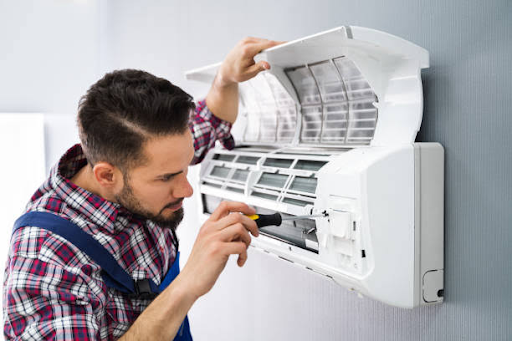
Florida summers don’t ease up. Temperatures climb into the nineties for months at a time, and humidity turns even a short walk outside into a sweat-soaked ordeal. When your air conditioner falters under that kind of pressure, comfort disappears fast — and so does patience. That’s where Stay Cool HVAC in Florida LLC steps in, bringing dependable cooling solutions to homeowners across the state who refuse to settle for a broken system during peak heat season.
The right HVAC partner matters more than most people realize until their unit stops working at the worst possible moment. A trustworthy team doesn’t just fix the immediate problem; it identifies the root cause, offers honest pricing, and treats your home with the same care they’d want for their own. Stay Cool HVAC has built its reputation on exactly that kind of service, and this post walks through why Florida families keep calling them back.
Florida’s Climate Pushes Air Conditioners to Their Limits
Air conditioning systems in Florida work harder than almost anywhere else in the country. Between the relentless heat and thick coastal humidity, units run nearly nonstop for half the year. That constant demand accelerates wear on compressors, coils, and electrical components, which means breakdowns happen more frequently here than in milder climates.
Homeowners often notice warning signs long before a full system failure — weak airflow, strange noises, or a thermostat that seems to be fighting a losing battle. Ignoring these symptoms rarely saves money. Small issues left unaddressed tend to snowball into expensive repairs or premature system replacement. Catching problems early is one of the simplest ways to protect your investment and keep your home livable through August.
Common Air Conditioning Problems Florida Homeowners Face
Certain issues show up again and again across Florida households, largely because of the environment these systems operate in. Recognizing them early can save both money and discomfort.
Refrigerant leaks rank among the most frequent culprits behind weak cooling. A system low on refrigerant struggles to pull heat out of your home, leaving rooms stuffy no matter how low you set the thermostat.
Clogged condensate drains are another common headache, especially given Florida’s humidity levels. When these lines back up, they can cause water damage and trigger automatic shutoffs designed to protect the unit.
Dirty or failing capacitors and motors also take a toll. Salt air near coastal areas and general humidity speed up corrosion, shortening the lifespan of critical components faster than manufacturers typically anticipate.
Thermostat malfunctions round out the list. Sometimes the air conditioner itself is fine, but a miscalibrated or aging thermostat sends the wrong signals, leading to inconsistent temperatures throughout the house.
What Makes Stay Cool HVAC Different
Plenty of companies claim fast service and fair pricing. Stay Cool HVAC in Florida LLC backs those claims with a track record built on transparency and genuine craftsmanship. Technicians arrive prepared to diagnose problems accurately rather than guessing or upselling unnecessary parts.
The company prioritizes clear communication from the first phone call. Customers receive upfront explanations of what’s wrong, what it will cost, and how long repairs will realistically take — no vague estimates or surprise charges after the fact. That kind of honesty builds the long-term trust that keeps families calling the same company year after year instead of searching for a new provider every summer.
Beyond repairs, Stay Cool HVAC emphasizes preventive maintenance. Regular tune-ups catch small issues before they become major failures, which ultimately extends the life of a system and reduces energy bills. For Florida homeowners, where air conditioners run almost year-round, that kind of proactive care pays for itself many times over.
Signs You Shouldn’t Ignore
Knowing when to call a professional can prevent a minor inconvenience from turning into a costly emergency. A few warning signs deserve immediate attention:
- Warm air blowing from vents despite the thermostat being set correctly
- Unusual rattling, grinding, or clicking noises from the outdoor or indoor unit
- A noticeable spike in energy bills without a change in usage habits
- Visible moisture or ice buildup around the system
- Frequent cycling on and off, known as short-cycling
Any one of these symptoms suggests the system is under stress. Addressing them quickly, rather than waiting for a complete breakdown, almost always costs less in the long run and keeps your home comfortable through the hottest stretches of the year.
Trust Stay Cool HVAC for Fast, Reliable Service
Stay cooler, faster, and worry-free with expert AC repair that gets your home back to comfortable temperatures the same day you call. Stay Cool HVAC in Florida LLC understands that a broken air conditioner isn’t just an inconvenience — it’s a genuine disruption to daily life, especially with Florida’s heat showing no signs of mercy. That’s why the team prioritizes rapid response times without cutting corners on quality.
Every technician arrives fully equipped to handle a wide range of issues on the first visit, minimizing the back-and-forth that so many homeowners dread with other service providers. Combined with transparent pricing and a genuine commitment to customer satisfaction, Stay Cool HVAC has become the trusted name for families who want their cooling systems handled right the first time.
Whether it’s a routine maintenance check or an unexpected system failure, Stay Cool HVAC in Florida LLC brings the expertise and reliability that Florida homes demand. Don’t wait for a small issue to become a sweltering emergency — reach out today and experience the difference a dedicated local team can make.

Your roof works harder than almost any other part of your home. It shields you from scorching summers, torrential rain, and heavy snow, all while taking a beating from sun exposure and temperature swings year after year. Most homeowners don’t think about their roof until something goes wrong, but by then, a small problem may have already turned into a costly repair.
Knowing when to replace your roof, rather than patch it up one more time, can save you money, stress, and the headache of unexpected leaks. This post walks through the telltale signs that your roof needs attention, what factors influence the decision to replace versus repair, and how Crown Residential Services LLC helps homeowners protect their biggest investment with confidence.
Whether you’ve noticed a few missing shingles or you’re simply planning, understanding your roof’s lifespan and condition puts you in the driver’s seat. Let’s break down what to look for and why timing matters more than you might think.
How Long Does a Roof Actually Last?
The lifespan of a roof depends heavily on the materials used and how well it’s been maintained. Asphalt shingle roofs, the most common choice for American homes, typically last between 20 and 25 years. Metal roofing can stretch beyond 40 years with proper care, while slate and tile roofs sometimes last a century or more.
Climate plays a major role too. Homes in regions with intense sun, heavy snowfall, or frequent storms often see faster wear and tear than those in milder climates. If your roof is approaching the upper end of its expected lifespan, it’s worth having it inspected even if you haven’t noticed obvious problems yet.
What Are the Warning Signs That You Need a New Roof?
Catching roof damage early can mean the difference between a straightforward repair and an emergency replacement. Here are the signs homeowners should never ignore.
Shingles Are Curling, Cracking, or Missing
Healthy shingles lie flat and form a tight seal against your roof deck. Once they start curling at the edges or cracking down the middle, they’re no longer doing their job effectively. Missing shingles expose your home to water infiltration and should be addressed right away, even if it’s just one or two spots.
You’re Finding Granules in Your Gutters
Asphalt shingles are coated with granules that protect against UV rays and weather damage. As shingles age, these granules begin to shed, often collecting in gutters and downspouts. A small amount of granule loss is normal, but excessive shedding is a sign your shingles are nearing the end of their useful life.
Daylight Is Visible Through Your Attic
Head up to your attic on a sunny day and look at the roof boards. If you see pinpricks of light coming through, that means there are gaps where water, pests, and cold air can also get in. This is one of the clearest indicators that your roof’s integrity has been compromised.
Your Energy Bills Have Crept Up
A roof in poor condition struggles to insulate your home properly. If you’ve noticed your heating and cooling costs rising without an obvious explanation, a failing roof could be letting conditioned air escape and outdoor temperatures seep in.
You Have Sagging Areas
A sagging roofline is a serious structural concern. It often points to water damage, rotting decking, or weakened support beams underneath the surface. This isn’t something to wait on, as sagging can worsen quickly and lead to more extensive (and expensive) damage.
Should You Repair or Replace Your Roof?
Not every roofing issue calls for a full replacement. If the damage is isolated, such as a few missing shingles after a storm, a targeted repair may be all you need. However, there are situations where replacement makes more financial and practical sense.
Choose repair if the damage is localized, your roof is less than halfway through its expected lifespan, and there’s no evidence of structural issues underneath. Choose replacement if your roof is approaching or past its expected lifespan, you’re dealing with widespread damage across multiple areas, or you’ve had recurring leaks despite previous repairs.
A professional inspection is the best way to determine which path makes sense for your specific situation. Roofing contractors can identify issues that aren’t visible from the ground and give you an honest assessment of your roof’s remaining lifespan.
What Factors Affect the Cost of a Roof Replacement?
Several variables influence how much a new roof will cost, and understanding them helps you budget appropriately.
Roof size and complexity: Larger roofs require more materials and labor. Roofs with multiple slopes, valleys, or dormers also take longer to complete and often cost more than simple, single-slope designs.
Material choice: Asphalt shingles remain the most budget-friendly option, while metal, tile, and slate come with a higher upfront cost but often last significantly longer.
Removal and disposal: If your old roof needs to be torn off before installation, that adds labor and disposal costs to the project.
Underlying damage: If your roofing contractor discovers rotted decking or structural damage once the old roof is removed, those repairs will add to the overall cost.
Getting a detailed, written estimate upfront helps avoid surprises once the project is underway.
Why Homeowners Trust Crown Residential Services LLC for Their Roofing Needs
When your home needs a new roof, choosing the right team makes all the difference between a smooth process and a stressful one. A properly installed roof replacement protects your home from costly water damage while boosting its curb appeal and resale value for years to come, which is exactly why so many homeowners turn to Crown Residential Services LLC when it’s time for an upgrade.
Crown Residential Services LLC brings years of hands-on roofing experience to every project, pairing quality materials with skilled craftsmanship. The team takes time to walk homeowners through every step, from the initial inspection to material selection, so there are no surprises along the way. Transparent pricing, dependable timelines, and a genuine commitment to customer satisfaction set Crown Residential Services LLC apart from other contractors in the area.
Every home is different, and so is every roofing project. Crown Residential Services LLC tailors its approach to match your home’s specific needs, local climate considerations, and budget, ensuring you get a roof that performs well and looks great for decades.
Ready to Protect Your Home for the Years Ahead?
A roof in good condition does more than keep you dry. It protects your family, preserves your home’s value, and gives you peace of mind through every season. If you’ve noticed any of the warning signs covered above, or if your roof is simply getting up there in age, now is the time to have it evaluated by a trusted professional.
Reach out to Crown Residential Services LLC to schedule an inspection and get a clear picture of your roof’s condition. A small step today can prevent major headaches down the road, and your home deserves nothing less than a roof built to last.

The holidays have a way of turning ordinary neighborhoods into something magical, and nothing sets that tone quite like a beautifully lit home. But stringing up lights yourself can mean wobbly ladders, tangled cords, and hours lost to a job that still doesn’t look quite right. That’s where Meridian Home Service Pros comes in, bringing expertise and creativity to every rooftop, tree, and walkway.
Homeowners today want more than a few strands of lights tossed over a bush. They want a display that reflects their personal style, lights up safely, and lasts the entire season without flickering out or falling. Achieving that look takes more than enthusiasm. It takes the right tools, the right techniques, and an eye for design that only comes with experience.
This is exactly where a trusted provider makes all the difference. Meridian Home Service Pros has built a reputation for turning holiday visions into reality, handling everything from design consultation to final takedown. Whether you’re dreaming of a classic warm-white display or a colorful showstopper that gets the whole street talking, this guide walks you through why professional help is worth it and what you can expect when you partner with a dedicated team.
What Makes Holiday Lighting Installation Worth the Investment?
Hanging lights sounds simple until you’re balancing on a ladder in freezing temperatures, untangling knots, and realizing halfway through that you’re out of extension cords. Professional installation removes all of that hassle while delivering a far more polished result.
Trained installers understand how to work with rooflines, gutters, and landscaping to create a cohesive look rather than a patchwork of mismatched sections. They also know which products hold up against wind, rain, and snow, so your display doesn’t become a casualty of the first winter storm. Beyond aesthetics, safety is a major factor. Climbing on icy roofs or reaching high eaves without proper equipment puts homeowners at real risk, and a professional team eliminates that danger entirely.
There’s also the matter of time. Between holiday shopping, family gatherings, and work obligations, most people simply don’t have the bandwidth to spend an entire weekend on lighting. Handing the job to experts frees up your schedule for the parts of the season you actually enjoy.
How Does Meridian Home Service Pros Approach Every Project?
No two homes are alike, and that’s exactly how the team at Meridian Home Service Pros treats each job. The process starts with a conversation about your vision, your budget, and the architectural features you want to highlight. From there, a design plan is created that balances creativity with practicality.
Installation day is handled with precision. Crews arrive equipped with commercial-grade lights, secure mounting hardware, and the experience needed to navigate tricky rooflines or oddly shaped trees. Every strand is tested before the crew leaves, so you’re not left discovering a dead section after dark.
Maintenance is part of the package too. If a bulb burns out or a strand shifts in the wind, a quick call brings the team back to make it right. Once the season winds down, takedown and storage are handled just as carefully, so your property is left clean and your lights are protected for next year.
What Styles and Options Can You Choose From?
Not everyone wants the same look, and that’s a good thing. Some homeowners prefer timeless warm-white lights that frame the roofline with understated elegance. Others want vibrant multicolor displays that capture the full spirit of the season, complete with animated patterns or synchronized timing.
Popular options include:
- Roofline outlining: Clean, continuous lines along eaves and gutters for a polished silhouette.
- Tree and shrub wrapping: Adding depth and warmth to landscaping features throughout the yard.
- Pathway and driveway lighting: Guiding guests to your door with a welcoming glow.
- Wreaths and garlands: Accenting windows, doors, and columns for added charm.
- Custom displays: Incorporating specific colors, themes, or even synchronized music for a truly personalized touch.
Choosing the right combination comes down to the architecture of your home and the atmosphere you want to create. A consultation helps narrow down what will look best without overwhelming the property or the budget.
Why Should You Choose Professional Help for Your Display This Year?
Holiday lighting installation delivers a stress-free, stunning display without the risks and headaches of doing it yourself, and that’s precisely the kind of peace of mind Meridian Home Service Pros aims to provide. From initial design to final takedown, every detail is managed by people who do this work daily and take pride in getting it right.
Choosing a professional team also means your display will look cohesive and intentional rather than thrown together in a rush. If durability during harsh weather matters more to you than a quick DIY fix, going with experienced installers is the smarter route. And if your schedule is already packed with holiday obligations, outsourcing this one task can free up hours you’d rather spend with family.
The result is a home that stands out for all the right reasons, without the ladder-climbing, cord-tangling stress that usually comes with it.
Light Up Your Season Without the Hassle
Your home deserves a display that feels festive, polished, and worry-free. Meridian Home Service Pros takes the guesswork and physical strain out of holiday decorating, replacing it with a smooth process from start to finish.
Ready to see your home transformed? Reach out to Meridian Home Service Pros today to schedule a consultation and start planning a display your neighborhood will remember all season long.

Why Stay Cool HVAC Is Florida’s Go-To Choice for Air Conditioning Service

Is Your Roof Ready for Another Winter? Signs You Need a Replacement

Elevate Every Room with Tile Experts from Roma Tiles in New York

Who Is Keiko Fujimoto? All About Sunny Balwani’s Former Wife

Bandit Lee Way: Everything to Know About Gerard Way and Lyn-Z’s Daughter

Meet David Scott Simon: Alison Berns’ Husband and His Private Life
-
 Celebrity3 months ago
Who Is Keiko Fujimoto? All About Sunny Balwani’s Former Wife
-
 Celebrity3 months ago
Bandit Lee Way: Everything to Know About Gerard Way and Lyn-Z’s Daughter
-
 News3 months ago
Meet David Scott Simon: Alison Berns’ Husband and His Private Life
-

 Celebrity3 months ago
Who Is Fred Tillman? The Full Story of Kelly McGillis’s Former Husband
-

 News3 months ago
Meet Morgan Kay Beamer: The Todd Beamer’s Daughter
-

 News4 months ago
Meet Carol Marlow: The Full Story of Tony Dow’s Private Ex Wife
-

 Celebrity3 months ago
Who Is Alice Young? Meet Neil deGrasse Tyson’s Wife
-

 Celebrity3 months ago
Meet Kelly Stewart-Harcourt: The Story of Jimmy Stewart’s Daughter