
Blog
The Freeze-Thaw Math: Why a Quarter-Inch Crack Decides Your Next Pavement Budget


Pavement rarely fails all at once. It fails in slow motion, one wet winter at a time, and the first warning sign is something most property managers walk over without noticing: a hairline crack in the asphalt, maybe a quarter of an inch wide, running out from a seam or a storm inlet. Left alone for three or four seasons, that crack is no longer a crack. It is a pothole, a soft spot, a failed base and a line item that competes with roofing and HVAC for capital dollars.
The reason this happens so predictably in Colorado — and in any climate with sharp day-night temperature swings — is physics, not neglect. Understanding the sequence makes it much easier to defend a modest annual maintenance budget to an owner or an HOA board.
How an Open Crack Destroys a Parking Lot
Asphalt is a flexible pavement. It depends almost entirely on the aggregate base beneath it for structural strength. The black surface you see is a wearing course and a waterproofing layer; the load-carrying work happens below. Once water gets past the surface, the system starts to unravel.
Here is the chain of events:
- A crack opens from thermal movement, oxidation or reflective cracking at a joint.
- Rain and snowmelt run into the crack instead of across the surface.
- Water saturates the base, reducing its bearing capacity. Saturated aggregate can lose a substantial share of its strength.
- Temperatures drop overnight. The water freezes and expands, heaving the pavement and widening the crack.
- The thaw leaves a void. Delivery trucks and trash compactors pump that void larger with every pass.
- The edges spall, the crack branches, and you get alligator cracking — the pattern that means full-depth repair, not surface work.
Along the Front Range, freeze-thaw cycles are not a handful of winter events. Sunny afternoons above freezing followed by clear, cold nights can produce dozens of cycles between October and April, and the cycle count often spikes in the shoulder seasons rather than deep winter. Every cycle is another small act of demolition. That is why a crack that looked cosmetic in September can be a half-inch channel with crumbling shoulders by May.
Why Sealing Beats Patching Economically
The cost curve for pavement repair is not linear — it is closer to exponential. Sealing a linear foot of crack is inexpensive and fast. Patching a square foot of failed pavement costs substantially more because it involves saw-cutting, excavation, hauling spoils, replacing base material and compacting new asphalt. Replacing a section outright, with grading and base work, is in a different order of magnitude again. Nobody needs exact figures to see the implication: the cheapest repair is always the one you do while the defect is still a line rather than an area.
Water Is the Common Denominator
Crack sealing is really water management, and it only works if the rest of your water management works. A lot that ponds after every storm will fail along those low spots no matter how diligently the cracks get filled, because the pavement sits in standing water long enough for the base to stay saturated. Flat spots, crushed curb-and-gutter, clogged inlets, downspouts discharging onto asphalt and negative grade along a building edge all shorten pavement life dramatically — and the damage usually shows up as a cluster of potholes in one predictable corner. If you want a wider view of the indirect expenses involved, the argument that poor drainage quietly costs a business property more than the repair invoice suggests is worth sitting with before you approve another round of cosmetic work.
Practical drainage checks you can do yourself, with no equipment:
- Walk the lot during or right after a rainstorm and photograph every puddle. Those are your future potholes.
- Look for dark staining or sediment fans — they show where water travels and sits.
- Check inlets for silt, gravel and landscape debris at least twice a year.
- Note where snow gets piled. Melting piles concentrate water in one place for weeks.
What Good Crack Sealing Actually Involves
There is a meaningful difference between crack sealing and crack filling. Filling means squeezing cold material into an unprepared crack; it looks tidy for a season and then debonds. Sealing is a prepared, heated process. Cracks are routed or cleaned to create a reservoir, blown out with compressed air or heat-lanced to remove moisture and debris, and then filled with hot-applied rubberized sealant that stays flexible through thermal movement. The sealant has to stretch in January and resist tracking in July, which is why material selection matters as much as technique.
A few field realities worth knowing before you review a proposal:
- Cracks narrower than about an eighth of an inch generally cannot accept sealant and are better addressed by surface treatment.
- Alligatored areas should not be sealed. That pattern is base failure, and sealant over it is money spent on a symptom.
- Dry pavement and moderate temperatures matter. Sealant applied into a damp crack will fail at the bond line.
- Sealing is a maintenance activity, not a one-time fix. New cracks appear every year; a lot on a sealing program typically gets revisited on a cycle rather than once a decade.
Sealcoating is the companion treatment, and it answers a different problem: oxidation. UV exposure and oxygen break down the asphalt binder, which is why old pavement turns gray and brittle, then ravels into loose stone. A coal-tar or asphalt-emulsion coating restores the surface and resists fuel and oil. If you want a plain-English primer on how the material works and what preparation it demands, this overview of sealcoating and surface preparation basics explains the fundamentals clearly, though commercial lots carry traffic loads and liability considerations a home driveway never will.
Building a Plan Instead of Reacting to Complaints
The property managers who spend the least on pavement are the ones who stopped treating it as an emergency. Their approach usually looks like this: an annual condition walk with photos, a rated inventory of each lot or drive aisle, crack sealing on a defined cycle, sealcoating and striping scheduled together, and patching reserved for the areas that genuinely need structure replaced. Striping deserves its own line, because faded fire lanes, ADA stalls and accessible routes are compliance exposure, not aesthetics, and they are far cheaper to refresh over sound pavement than to re-establish after a resurfacing.
That kind of sequencing is also the fastest way to get capital requests approved. A board that sees a three-year or five-year plan — with this year’s sealing, next year’s sealcoat and striping, and a resurfacing year flagged well in advance — is far more likely to fund the small annual number than a board that only hears about pavement when a tenant reports a broken wheel.
Where a Specialist Contractor Earns Its Keep
Condition-based planning is where experienced commercial contractors separate themselves from bid-chasers, because the judgment call is usually about what not to do this year. Asphalt Coatings Company, which has worked on Colorado commercial pavement since 1986 with in-house crews, builds multi-year maintenance plans around PCI-based pavement assessments rather than square-footage guesses — the same framework that makes the case for crack sealing Colorado Springs property owners can measure against the alternative of deferred repair. Its scope spans hot-pour crack sealing, sealcoating, pothole and full-depth patching, mill-and-overlay resurfacing, striping with ADA markings and fire lanes, sweeping, drainage correction and concrete and accessibility work, across Fort Collins and Northern Colorado, Denver, Aurora, Colorado Springs and communities from Boulder and Longmont to Pueblo and Grand Junction. For managers juggling retail centers, apartment communities, office parks or school campuses, the useful part is less the individual service than the assessment that tells you which lot needs attention first.
The Short Version for Your Next Budget Cycle
Keep water out of the base and asphalt will outlive its design life. Let water in and nothing else you spend will matter much. That means sealing cracks while they are still cracks, fixing the drainage that keeps creating them, maintaining the surface against oxidation, and planning resurfacing on your schedule rather than in response to a failure. The work is unglamorous and the invoices are small compared with what deferral produces — which is precisely why it so often gets pushed to next year, and precisely why it shouldn’t.

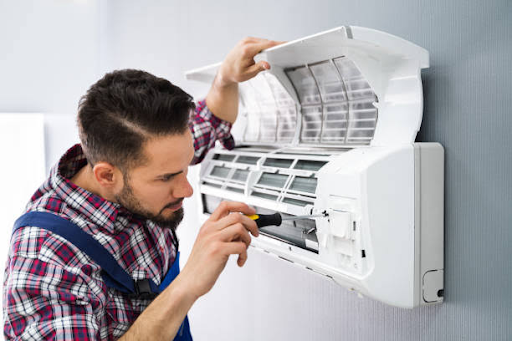
Florida summers don’t ease up. Temperatures climb into the nineties for months at a time, and humidity turns even a short walk outside into a sweat-soaked ordeal. When your air conditioner falters under that kind of pressure, comfort disappears fast — and so does patience. That’s where Stay Cool HVAC in Florida LLC steps in, bringing dependable cooling solutions to homeowners across the state who refuse to settle for a broken system during peak heat season.
The right HVAC partner matters more than most people realize until their unit stops working at the worst possible moment. A trustworthy team doesn’t just fix the immediate problem; it identifies the root cause, offers honest pricing, and treats your home with the same care they’d want for their own. Stay Cool HVAC has built its reputation on exactly that kind of service, and this post walks through why Florida families keep calling them back.
Florida’s Climate Pushes Air Conditioners to Their Limits
Air conditioning systems in Florida work harder than almost anywhere else in the country. Between the relentless heat and thick coastal humidity, units run nearly nonstop for half the year. That constant demand accelerates wear on compressors, coils, and electrical components, which means breakdowns happen more frequently here than in milder climates.
Homeowners often notice warning signs long before a full system failure — weak airflow, strange noises, or a thermostat that seems to be fighting a losing battle. Ignoring these symptoms rarely saves money. Small issues left unaddressed tend to snowball into expensive repairs or premature system replacement. Catching problems early is one of the simplest ways to protect your investment and keep your home livable through August.
Common Air Conditioning Problems Florida Homeowners Face
Certain issues show up again and again across Florida households, largely because of the environment these systems operate in. Recognizing them early can save both money and discomfort.
Refrigerant leaks rank among the most frequent culprits behind weak cooling. A system low on refrigerant struggles to pull heat out of your home, leaving rooms stuffy no matter how low you set the thermostat.
Clogged condensate drains are another common headache, especially given Florida’s humidity levels. When these lines back up, they can cause water damage and trigger automatic shutoffs designed to protect the unit.
Dirty or failing capacitors and motors also take a toll. Salt air near coastal areas and general humidity speed up corrosion, shortening the lifespan of critical components faster than manufacturers typically anticipate.
Thermostat malfunctions round out the list. Sometimes the air conditioner itself is fine, but a miscalibrated or aging thermostat sends the wrong signals, leading to inconsistent temperatures throughout the house.
What Makes Stay Cool HVAC Different
Plenty of companies claim fast service and fair pricing. Stay Cool HVAC in Florida LLC backs those claims with a track record built on transparency and genuine craftsmanship. Technicians arrive prepared to diagnose problems accurately rather than guessing or upselling unnecessary parts.
The company prioritizes clear communication from the first phone call. Customers receive upfront explanations of what’s wrong, what it will cost, and how long repairs will realistically take — no vague estimates or surprise charges after the fact. That kind of honesty builds the long-term trust that keeps families calling the same company year after year instead of searching for a new provider every summer.
Beyond repairs, Stay Cool HVAC emphasizes preventive maintenance. Regular tune-ups catch small issues before they become major failures, which ultimately extends the life of a system and reduces energy bills. For Florida homeowners, where air conditioners run almost year-round, that kind of proactive care pays for itself many times over.
Signs You Shouldn’t Ignore
Knowing when to call a professional can prevent a minor inconvenience from turning into a costly emergency. A few warning signs deserve immediate attention:
- Warm air blowing from vents despite the thermostat being set correctly
- Unusual rattling, grinding, or clicking noises from the outdoor or indoor unit
- A noticeable spike in energy bills without a change in usage habits
- Visible moisture or ice buildup around the system
- Frequent cycling on and off, known as short-cycling
Any one of these symptoms suggests the system is under stress. Addressing them quickly, rather than waiting for a complete breakdown, almost always costs less in the long run and keeps your home comfortable through the hottest stretches of the year.
Trust Stay Cool HVAC for Fast, Reliable Service
Stay cooler, faster, and worry-free with expert AC repair that gets your home back to comfortable temperatures the same day you call. Stay Cool HVAC in Florida LLC understands that a broken air conditioner isn’t just an inconvenience — it’s a genuine disruption to daily life, especially with Florida’s heat showing no signs of mercy. That’s why the team prioritizes rapid response times without cutting corners on quality.
Every technician arrives fully equipped to handle a wide range of issues on the first visit, minimizing the back-and-forth that so many homeowners dread with other service providers. Combined with transparent pricing and a genuine commitment to customer satisfaction, Stay Cool HVAC has become the trusted name for families who want their cooling systems handled right the first time.
Whether it’s a routine maintenance check or an unexpected system failure, Stay Cool HVAC in Florida LLC brings the expertise and reliability that Florida homes demand. Don’t wait for a small issue to become a sweltering emergency — reach out today and experience the difference a dedicated local team can make.
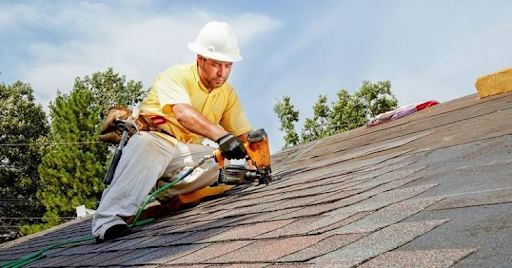
Your roof works harder than almost any other part of your home. It shields you from scorching summers, torrential rain, and heavy snow, all while taking a beating from sun exposure and temperature swings year after year. Most homeowners don’t think about their roof until something goes wrong, but by then, a small problem may have already turned into a costly repair.
Knowing when to replace your roof, rather than patch it up one more time, can save you money, stress, and the headache of unexpected leaks. This post walks through the telltale signs that your roof needs attention, what factors influence the decision to replace versus repair, and how Crown Residential Services LLC helps homeowners protect their biggest investment with confidence.
Whether you’ve noticed a few missing shingles or you’re simply planning, understanding your roof’s lifespan and condition puts you in the driver’s seat. Let’s break down what to look for and why timing matters more than you might think.
How Long Does a Roof Actually Last?
The lifespan of a roof depends heavily on the materials used and how well it’s been maintained. Asphalt shingle roofs, the most common choice for American homes, typically last between 20 and 25 years. Metal roofing can stretch beyond 40 years with proper care, while slate and tile roofs sometimes last a century or more.
Climate plays a major role too. Homes in regions with intense sun, heavy snowfall, or frequent storms often see faster wear and tear than those in milder climates. If your roof is approaching the upper end of its expected lifespan, it’s worth having it inspected even if you haven’t noticed obvious problems yet.
What Are the Warning Signs That You Need a New Roof?
Catching roof damage early can mean the difference between a straightforward repair and an emergency replacement. Here are the signs homeowners should never ignore.
Shingles Are Curling, Cracking, or Missing
Healthy shingles lie flat and form a tight seal against your roof deck. Once they start curling at the edges or cracking down the middle, they’re no longer doing their job effectively. Missing shingles expose your home to water infiltration and should be addressed right away, even if it’s just one or two spots.
You’re Finding Granules in Your Gutters
Asphalt shingles are coated with granules that protect against UV rays and weather damage. As shingles age, these granules begin to shed, often collecting in gutters and downspouts. A small amount of granule loss is normal, but excessive shedding is a sign your shingles are nearing the end of their useful life.
Daylight Is Visible Through Your Attic
Head up to your attic on a sunny day and look at the roof boards. If you see pinpricks of light coming through, that means there are gaps where water, pests, and cold air can also get in. This is one of the clearest indicators that your roof’s integrity has been compromised.
Your Energy Bills Have Crept Up
A roof in poor condition struggles to insulate your home properly. If you’ve noticed your heating and cooling costs rising without an obvious explanation, a failing roof could be letting conditioned air escape and outdoor temperatures seep in.
You Have Sagging Areas
A sagging roofline is a serious structural concern. It often points to water damage, rotting decking, or weakened support beams underneath the surface. This isn’t something to wait on, as sagging can worsen quickly and lead to more extensive (and expensive) damage.
Should You Repair or Replace Your Roof?
Not every roofing issue calls for a full replacement. If the damage is isolated, such as a few missing shingles after a storm, a targeted repair may be all you need. However, there are situations where replacement makes more financial and practical sense.
Choose repair if the damage is localized, your roof is less than halfway through its expected lifespan, and there’s no evidence of structural issues underneath. Choose replacement if your roof is approaching or past its expected lifespan, you’re dealing with widespread damage across multiple areas, or you’ve had recurring leaks despite previous repairs.
A professional inspection is the best way to determine which path makes sense for your specific situation. Roofing contractors can identify issues that aren’t visible from the ground and give you an honest assessment of your roof’s remaining lifespan.
What Factors Affect the Cost of a Roof Replacement?
Several variables influence how much a new roof will cost, and understanding them helps you budget appropriately.
Roof size and complexity: Larger roofs require more materials and labor. Roofs with multiple slopes, valleys, or dormers also take longer to complete and often cost more than simple, single-slope designs.
Material choice: Asphalt shingles remain the most budget-friendly option, while metal, tile, and slate come with a higher upfront cost but often last significantly longer.
Removal and disposal: If your old roof needs to be torn off before installation, that adds labor and disposal costs to the project.
Underlying damage: If your roofing contractor discovers rotted decking or structural damage once the old roof is removed, those repairs will add to the overall cost.
Getting a detailed, written estimate upfront helps avoid surprises once the project is underway.
Why Homeowners Trust Crown Residential Services LLC for Their Roofing Needs
When your home needs a new roof, choosing the right team makes all the difference between a smooth process and a stressful one. A properly installed roof replacement protects your home from costly water damage while boosting its curb appeal and resale value for years to come, which is exactly why so many homeowners turn to Crown Residential Services LLC when it’s time for an upgrade.
Crown Residential Services LLC brings years of hands-on roofing experience to every project, pairing quality materials with skilled craftsmanship. The team takes time to walk homeowners through every step, from the initial inspection to material selection, so there are no surprises along the way. Transparent pricing, dependable timelines, and a genuine commitment to customer satisfaction set Crown Residential Services LLC apart from other contractors in the area.
Every home is different, and so is every roofing project. Crown Residential Services LLC tailors its approach to match your home’s specific needs, local climate considerations, and budget, ensuring you get a roof that performs well and looks great for decades.
Ready to Protect Your Home for the Years Ahead?
A roof in good condition does more than keep you dry. It protects your family, preserves your home’s value, and gives you peace of mind through every season. If you’ve noticed any of the warning signs covered above, or if your roof is simply getting up there in age, now is the time to have it evaluated by a trusted professional.
Reach out to Crown Residential Services LLC to schedule an inspection and get a clear picture of your roof’s condition. A small step today can prevent major headaches down the road, and your home deserves nothing less than a roof built to last.
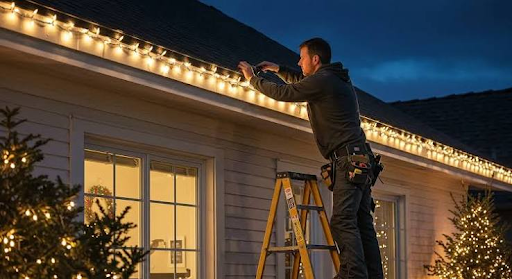
The holidays have a way of turning ordinary neighborhoods into something magical, and nothing sets that tone quite like a beautifully lit home. But stringing up lights yourself can mean wobbly ladders, tangled cords, and hours lost to a job that still doesn’t look quite right. That’s where Meridian Home Service Pros comes in, bringing expertise and creativity to every rooftop, tree, and walkway.
Homeowners today want more than a few strands of lights tossed over a bush. They want a display that reflects their personal style, lights up safely, and lasts the entire season without flickering out or falling. Achieving that look takes more than enthusiasm. It takes the right tools, the right techniques, and an eye for design that only comes with experience.
This is exactly where a trusted provider makes all the difference. Meridian Home Service Pros has built a reputation for turning holiday visions into reality, handling everything from design consultation to final takedown. Whether you’re dreaming of a classic warm-white display or a colorful showstopper that gets the whole street talking, this guide walks you through why professional help is worth it and what you can expect when you partner with a dedicated team.
What Makes Holiday Lighting Installation Worth the Investment?
Hanging lights sounds simple until you’re balancing on a ladder in freezing temperatures, untangling knots, and realizing halfway through that you’re out of extension cords. Professional installation removes all of that hassle while delivering a far more polished result.
Trained installers understand how to work with rooflines, gutters, and landscaping to create a cohesive look rather than a patchwork of mismatched sections. They also know which products hold up against wind, rain, and snow, so your display doesn’t become a casualty of the first winter storm. Beyond aesthetics, safety is a major factor. Climbing on icy roofs or reaching high eaves without proper equipment puts homeowners at real risk, and a professional team eliminates that danger entirely.
There’s also the matter of time. Between holiday shopping, family gatherings, and work obligations, most people simply don’t have the bandwidth to spend an entire weekend on lighting. Handing the job to experts frees up your schedule for the parts of the season you actually enjoy.
How Does Meridian Home Service Pros Approach Every Project?
No two homes are alike, and that’s exactly how the team at Meridian Home Service Pros treats each job. The process starts with a conversation about your vision, your budget, and the architectural features you want to highlight. From there, a design plan is created that balances creativity with practicality.
Installation day is handled with precision. Crews arrive equipped with commercial-grade lights, secure mounting hardware, and the experience needed to navigate tricky rooflines or oddly shaped trees. Every strand is tested before the crew leaves, so you’re not left discovering a dead section after dark.
Maintenance is part of the package too. If a bulb burns out or a strand shifts in the wind, a quick call brings the team back to make it right. Once the season winds down, takedown and storage are handled just as carefully, so your property is left clean and your lights are protected for next year.
What Styles and Options Can You Choose From?
Not everyone wants the same look, and that’s a good thing. Some homeowners prefer timeless warm-white lights that frame the roofline with understated elegance. Others want vibrant multicolor displays that capture the full spirit of the season, complete with animated patterns or synchronized timing.
Popular options include:
- Roofline outlining: Clean, continuous lines along eaves and gutters for a polished silhouette.
- Tree and shrub wrapping: Adding depth and warmth to landscaping features throughout the yard.
- Pathway and driveway lighting: Guiding guests to your door with a welcoming glow.
- Wreaths and garlands: Accenting windows, doors, and columns for added charm.
- Custom displays: Incorporating specific colors, themes, or even synchronized music for a truly personalized touch.
Choosing the right combination comes down to the architecture of your home and the atmosphere you want to create. A consultation helps narrow down what will look best without overwhelming the property or the budget.
Why Should You Choose Professional Help for Your Display This Year?
Holiday lighting installation delivers a stress-free, stunning display without the risks and headaches of doing it yourself, and that’s precisely the kind of peace of mind Meridian Home Service Pros aims to provide. From initial design to final takedown, every detail is managed by people who do this work daily and take pride in getting it right.
Choosing a professional team also means your display will look cohesive and intentional rather than thrown together in a rush. If durability during harsh weather matters more to you than a quick DIY fix, going with experienced installers is the smarter route. And if your schedule is already packed with holiday obligations, outsourcing this one task can free up hours you’d rather spend with family.
The result is a home that stands out for all the right reasons, without the ladder-climbing, cord-tangling stress that usually comes with it.
Light Up Your Season Without the Hassle
Your home deserves a display that feels festive, polished, and worry-free. Meridian Home Service Pros takes the guesswork and physical strain out of holiday decorating, replacing it with a smooth process from start to finish.
Ready to see your home transformed? Reach out to Meridian Home Service Pros today to schedule a consultation and start planning a display your neighborhood will remember all season long.

Why Stay Cool HVAC Is Florida’s Go-To Choice for Air Conditioning Service

Is Your Roof Ready for Another Winter? Signs You Need a Replacement

Elevate Every Room with Tile Experts from Roma Tiles in New York

Who Is Keiko Fujimoto? All About Sunny Balwani’s Former Wife

Bandit Lee Way: Everything to Know About Gerard Way and Lyn-Z’s Daughter

Meet David Scott Simon: Alison Berns’ Husband and His Private Life
-
 Celebrity3 months ago
Who Is Keiko Fujimoto? All About Sunny Balwani’s Former Wife
-
 Celebrity3 months ago
Bandit Lee Way: Everything to Know About Gerard Way and Lyn-Z’s Daughter
-
 News3 months ago
Meet David Scott Simon: Alison Berns’ Husband and His Private Life
-

 Celebrity3 months ago
Who Is Fred Tillman? The Full Story of Kelly McGillis’s Former Husband
-

 News4 months ago
Meet Carol Marlow: The Full Story of Tony Dow’s Private Ex Wife
-

 News3 months ago
Meet Morgan Kay Beamer: The Todd Beamer’s Daughter
-

 Celebrity3 months ago
Who Is Alice Young? Meet Neil deGrasse Tyson’s Wife
-

 Celebrity3 months ago
Meet Kelly Stewart-Harcourt: The Story of Jimmy Stewart’s Daughter