
Blog
Transforming Uneven Landscapes into Strong and Beautiful Outdoor Spaces


The Importance of Landscape Stability
A well-designed outdoor environment requires more than attractive plants, decorative features, and comfortable seating. The underlying structure of the landscape plays an equally important role in its appearance, safety, and long-term performance. Sloped yards, uneven ground, and changes in elevation can create challenges for homeowners who want to make better use of their outdoor spaces. Soil movement, surface runoff, and erosion may gradually affect the condition of lawns, gardens, walkways, and patios if the terrain is not managed properly. A carefully planned retaining wall can help address these concerns by supporting soil at different elevations, creating more usable areas, and establishing a cleaner, more organized landscape design. When the structure is designed according to the site’s conditions, it can provide both practical support and a distinctive architectural feature.Landscape improvements are most successful when beauty and functionality are considered together. Instead of viewing an uneven yard as a limitation, homeowners can use changes in elevation to create separate outdoor zones, raised planting beds, defined garden borders, or attractive patio spaces. Properly designed walls can introduce structure into an otherwise irregular landscape while helping the surrounding features work together. The materials, height, shape, and finish should complement the home’s architecture and the existing outdoor environment. Careful planning also makes it easier to determine how water will drain, where people will walk, and how the finished area will be maintained. By addressing these factors before construction begins, property owners can develop an outdoor space that is attractive, practical, and better prepared to withstand everyday environmental conditions.
Managing Soil and Erosion
Soil erosion is a common concern in landscapes with steep slopes, exposed ground, or heavy water runoff. Rainwater can gradually carry soil away from vulnerable areas, leaving exposed roots, uneven surfaces, and weakened garden beds. Over time, this movement may affect nearby walkways, lawns, fences, and other outdoor features. A properly engineered retaining structure can help hold soil in place and establish a more stable transition between different ground levels. However, its effectiveness depends on appropriate design, suitable construction materials, and a drainage system that prevents excessive water pressure from developing behind the wall. Simply placing blocks or stones against a slope may not provide reliable support when soil conditions and water movement are not properly considered.Understanding the site’s drainage patterns is particularly important before beginning any major landscape improvement. Water that accumulates behind a retaining structure can increase pressure on the wall, potentially contributing to cracking, leaning, or movement. A suitable drainage plan may include drainage aggregate, perforated pipes, filter fabric, and properly designed outlets, depending on the site and engineering requirements. The surrounding ground should also be shaped to guide surface water away from vulnerable areas without directing it toward neighboring properties or building foundations. Professional evaluation can help identify drainage problems that may not be obvious during dry weather. Addressing these issues during the planning stage supports the durability of the finished structure and helps reduce the likelihood of costly repairs.
Creating More Usable Outdoor Space
Uneven terrain can make it difficult to install patios, outdoor dining areas, play spaces, or organized gardens. A sloping yard may have plenty of available square footage but offer relatively little level ground for everyday activities. Carefully designed retaining structures can help divide the landscape into usable sections, allowing homeowners to make better use of the available property. A raised platform might accommodate a seating area, while a lower section could provide room for lawn activities or decorative planting. This approach creates a sense of organization and can make the entire yard feel more spacious because each area has a clearly defined purpose. The design should preserve comfortable movement between levels and account for the amount of space required for steps, walkways, and access points.Creating multiple levels can also add depth and visual interest to an outdoor environment. Rather than presenting a single uninterrupted slope, the landscape can incorporate terraces, garden beds, seating areas, and carefully positioned decorative elements. Different elevations can provide opportunities to display flowering plants, ornamental grasses, shrubs, and small trees in a more structured arrangement. The key is to maintain a balanced relationship between the built elements and the natural surroundings. Walls that are too large or visually heavy may overwhelm a small yard, while a well-proportioned design can create a pleasing sense of order. Considering how people will use the space throughout the year helps ensure that each level remains accessible, comfortable, and practical after construction is complete.
Choosing Suitable Construction Materials
Material selection has a major influence on the strength, appearance, and maintenance requirements of a retaining structure. Concrete blocks are often selected for their consistent dimensions, practical installation, and range of available finishes. Natural stone offers a more organic appearance and can complement gardens with traditional or rustic design elements. Poured concrete may be suitable for certain structural applications where engineering requirements call for a continuous, reinforced wall. Other systems may be appropriate for smaller landscape projects, depending on soil conditions, wall height, local regulations, and the manufacturer’s specifications. The best material is not necessarily the most expensive option; it is the one that meets the structural requirements while providing the desired appearance and reasonable long-term maintenance.
Homeowners should consider how the selected material will perform under local environmental conditions. Moisture exposure, temperature fluctuations, ground movement, and contact with soil can affect different materials in different ways. Some finishes may require sealing or periodic cleaning, while others may develop a natural appearance as they weather. The color and texture should also coordinate with nearby paving, exterior walls, steps, and garden features. Choosing materials as part of a complete landscape plan can prevent the finished project from looking disconnected from the rest of the property. Before making a final decision, property owners should review material specifications, installation recommendations, expected maintenance, and any structural limitations associated with the selected wall system.
Planning a Strong Foundation
A durable retaining wall begins with proper ground preparation. The foundation must support the weight of the wall and the soil it is intended to retain, making excavation and base preparation essential parts of the construction process. Depending on the design, the work may involve removing unsuitable soil, establishing the correct excavation depth, compacting the subgrade, and installing a properly prepared base. If the foundation is uneven or inadequately compacted, the structure may settle or shift over time. Even relatively small changes in alignment can affect the appearance and performance of the wall, particularly when it supports a paved surface, raised garden, or other landscape feature.The foundation requirements vary according to wall height, material, soil characteristics, and the loads acting on the structure. A small decorative garden border does not have the same requirements as a tall wall supporting a driveway, building, or elevated patio. For this reason, construction methods should be selected according to the specific project rather than relying on a single approach for every landscape. Professional contractors can assess the site, determine appropriate preparation methods, and identify conditions that may require additional reinforcement or engineering. Careful attention to the base and the first courses of material establishes a more reliable starting point for the remainder of the structure and helps prevent avoidable problems later.
The Role of Drainage and Reinforcement
Drainage is one of the most important factors in the long-term performance of retaining walls because water trapped behind the structure can create substantial pressure. Even a wall made from durable materials may experience damage if water cannot move away effectively. A suitable drainage system helps control moisture buildup and directs water toward an appropriate outlet. The design may require free-draining aggregate, drainage pipes, filter materials, or other components based on the site’s characteristics. Surface grading is equally important because rainwater should not be allowed to collect along the top of the wall or flow uncontrollably into the retained soil. These elements should be considered during the initial design rather than added as an afterthought once construction is underway.Reinforcement requirements depend on the wall’s dimensions, structural design, soil conditions, and the loads above or behind it. Taller structures or walls supporting vehicles, buildings, or heavily used outdoor areas may require engineering calculations and specific reinforcement systems. In some situations, geogrid reinforcement, reinforced concrete, engineered foundations, or other specialized construction methods may be necessary. The exact solution should be determined by qualified professionals who understand the site and applicable building requirements. Homeowners should also confirm whether permits or inspections are required before work begins. A combination of sound engineering, appropriate drainage, and careful construction can help the wall withstand expected pressures while protecting the surrounding landscape.
Enhancing Outdoor Appearance
Retaining structures can become attractive design features when their appearance is coordinated with the rest of the outdoor environment. The wall’s color, texture, height, and shape can establish a visual connection between the home and its landscape. Natural stone may complement a garden with an organic character, while clean-lined concrete blocks can work well in a contemporary setting. Curved designs can soften the appearance of large paved areas, and straight walls may create a more formal arrangement around patios or pathways. Decorative caps, integrated steps, and carefully selected lighting can further improve the finished appearance when these features are compatible with the structure’s design and installation requirements.Plants can also help integrate a retaining wall into its surroundings. Low-growing greenery along the top may soften hard edges, while suitable planting beds at the base can introduce color and texture. However, plant selection should account for root growth, mature size, watering needs, and the wall’s drainage system. Large trees or shrubs placed too close to a structure may create maintenance challenges or affect nearby soil conditions. Irrigation should be managed carefully so that unnecessary water does not accumulate behind the wall. With thoughtful landscaping, the structure can support a balanced outdoor design without compromising its primary purpose. The result is a space in which practical engineering and natural beauty work together rather than competing for attention.
Maintaining Long-Term Performance
Routine maintenance helps property owners identify small problems before they become expensive repairs. A visual inspection can reveal cracks, leaning, bulging, displaced blocks, damaged joints, or areas where water is collecting unexpectedly. Drainage outlets should remain clear of leaves, soil, and other debris so water can flow away as intended. Homeowners should also watch for new depressions in the soil above the wall, unusual wet areas, or changes in nearby paving that may indicate movement. These signs do not always mean that the structure has failed, but they deserve attention, particularly when they appear suddenly or become progressively worse. A qualified professional can assess the condition and recommend appropriate corrective measures.Maintenance needs depend partly on the construction material and the surrounding environment. Some walls may benefit from periodic cleaning, while others require inspection of mortar joints, surface finishes, drainage components, or exposed reinforcement. Irrigation systems should be checked to ensure that they do not continuously saturate the soil behind the structure. Homeowners should avoid making unapproved changes to the top of a retaining wall, especially if those changes introduce additional weight or alter drainage patterns. Adding a heavy planter, vehicle parking area, or other load near the edge can affect structural performance if it was not included in the original design. Consistent care and prompt attention to warning signs can help preserve both the wall’s appearance and its practical function.
Professional Planning and Installation
Successful retaining wall construction requires coordination between site evaluation, design, material selection, excavation, drainage, and finishing work. Each stage influences the next, so mistakes made during the early phases can create difficulties that are expensive to correct after the wall is complete. Professional contractors can evaluate the slope, identify potential drainage concerns, recommend appropriate materials, and determine whether engineering assistance is needed. They can also help homeowners understand how the structure will interact with existing patios, walkways, foundations, fences, and neighboring ground levels. This coordinated approach reduces guesswork and makes it easier to establish realistic expectations for project costs, timing, and the finished result.Before hiring a contractor, homeowners should ask about relevant experience, project planning, material specifications, drainage methods, and applicable permits. A detailed estimate should explain the proposed scope of work and identify important components such as excavation, base preparation, reinforcement, drainage, and site cleanup. Property owners should also discuss how unexpected soil conditions or concealed drainage issues will be handled if they arise during construction. Clear communication helps prevent misunderstandings and allows decisions to be made before they affect the schedule or budget. When the design and construction process are managed carefully, homeowners can feel more confident that the finished landscape will provide the intended support, appearance, and usability.
Improve Your Landscape with a Well-Planned Retaining Wall
Homeowners looking to make better use of uneven ground should consider how a properly designed wall can improve stability, create level areas, and enhance the appearance of the entire yard. Professional retaining wall installation can help bring these benefits together through appropriate material selection, careful ground preparation, effective drainage, and a design that complements the surrounding hardscape. The right approach depends on the slope, soil conditions, intended use of the space, and the loads the structure must support. By evaluating these factors before construction begins, property owners can develop a practical plan that balances structural needs with the desired outdoor appearance.A successful project should also consider how the finished wall will connect with nearby patios, walkways, planting beds, and other landscape features. Coordinating these elements creates a more unified outdoor environment while helping each area serve a clear purpose. Whether the goal is to control erosion, establish raised garden beds, support a usable patio, or organize a sloping yard, thoughtful planning can make the property more functional and visually appealing. Working with experienced professionals helps homeowners address technical requirements, avoid common construction mistakes, and make informed decisions about materials and maintenance. The result can be an outdoor space that offers lasting value while remaining attractive and practical for everyday use.
Conclusion
Retaining walls provide an effective way to manage changes in elevation, improve landscape organization, and create more usable outdoor areas. Their success depends on several connected factors, including suitable materials, stable foundations, appropriate reinforcement, effective drainage, and construction methods that match the conditions of the site. When these details are addressed carefully, a retaining structure can support the surrounding soil while becoming an attractive part of the overall landscape design.Homeowners should approach every project with a clear understanding of its purpose, expected loads, maintenance requirements, and relationship to nearby features. Professional evaluation can help identify potential problems before construction begins and ensure that the proposed design meets applicable requirements. By combining careful planning with quality workmanship, property owners can transform uneven terrain into a more stable, organized, and inviting outdoor environment that remains useful and attractive over time.

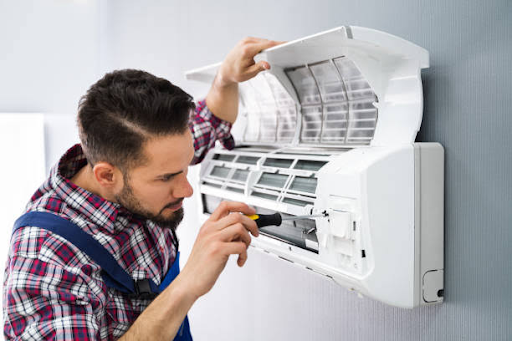
Florida summers don’t ease up. Temperatures climb into the nineties for months at a time, and humidity turns even a short walk outside into a sweat-soaked ordeal. When your air conditioner falters under that kind of pressure, comfort disappears fast — and so does patience. That’s where Stay Cool HVAC in Florida LLC steps in, bringing dependable cooling solutions to homeowners across the state who refuse to settle for a broken system during peak heat season.
The right HVAC partner matters more than most people realize until their unit stops working at the worst possible moment. A trustworthy team doesn’t just fix the immediate problem; it identifies the root cause, offers honest pricing, and treats your home with the same care they’d want for their own. Stay Cool HVAC has built its reputation on exactly that kind of service, and this post walks through why Florida families keep calling them back.
Florida’s Climate Pushes Air Conditioners to Their Limits
Air conditioning systems in Florida work harder than almost anywhere else in the country. Between the relentless heat and thick coastal humidity, units run nearly nonstop for half the year. That constant demand accelerates wear on compressors, coils, and electrical components, which means breakdowns happen more frequently here than in milder climates.
Homeowners often notice warning signs long before a full system failure — weak airflow, strange noises, or a thermostat that seems to be fighting a losing battle. Ignoring these symptoms rarely saves money. Small issues left unaddressed tend to snowball into expensive repairs or premature system replacement. Catching problems early is one of the simplest ways to protect your investment and keep your home livable through August.
Common Air Conditioning Problems Florida Homeowners Face
Certain issues show up again and again across Florida households, largely because of the environment these systems operate in. Recognizing them early can save both money and discomfort.
Refrigerant leaks rank among the most frequent culprits behind weak cooling. A system low on refrigerant struggles to pull heat out of your home, leaving rooms stuffy no matter how low you set the thermostat.
Clogged condensate drains are another common headache, especially given Florida’s humidity levels. When these lines back up, they can cause water damage and trigger automatic shutoffs designed to protect the unit.
Dirty or failing capacitors and motors also take a toll. Salt air near coastal areas and general humidity speed up corrosion, shortening the lifespan of critical components faster than manufacturers typically anticipate.
Thermostat malfunctions round out the list. Sometimes the air conditioner itself is fine, but a miscalibrated or aging thermostat sends the wrong signals, leading to inconsistent temperatures throughout the house.
What Makes Stay Cool HVAC Different
Plenty of companies claim fast service and fair pricing. Stay Cool HVAC in Florida LLC backs those claims with a track record built on transparency and genuine craftsmanship. Technicians arrive prepared to diagnose problems accurately rather than guessing or upselling unnecessary parts.
The company prioritizes clear communication from the first phone call. Customers receive upfront explanations of what’s wrong, what it will cost, and how long repairs will realistically take — no vague estimates or surprise charges after the fact. That kind of honesty builds the long-term trust that keeps families calling the same company year after year instead of searching for a new provider every summer.
Beyond repairs, Stay Cool HVAC emphasizes preventive maintenance. Regular tune-ups catch small issues before they become major failures, which ultimately extends the life of a system and reduces energy bills. For Florida homeowners, where air conditioners run almost year-round, that kind of proactive care pays for itself many times over.
Signs You Shouldn’t Ignore
Knowing when to call a professional can prevent a minor inconvenience from turning into a costly emergency. A few warning signs deserve immediate attention:
- Warm air blowing from vents despite the thermostat being set correctly
- Unusual rattling, grinding, or clicking noises from the outdoor or indoor unit
- A noticeable spike in energy bills without a change in usage habits
- Visible moisture or ice buildup around the system
- Frequent cycling on and off, known as short-cycling
Any one of these symptoms suggests the system is under stress. Addressing them quickly, rather than waiting for a complete breakdown, almost always costs less in the long run and keeps your home comfortable through the hottest stretches of the year.
Trust Stay Cool HVAC for Fast, Reliable Service
Stay cooler, faster, and worry-free with expert AC repair that gets your home back to comfortable temperatures the same day you call. Stay Cool HVAC in Florida LLC understands that a broken air conditioner isn’t just an inconvenience — it’s a genuine disruption to daily life, especially with Florida’s heat showing no signs of mercy. That’s why the team prioritizes rapid response times without cutting corners on quality.
Every technician arrives fully equipped to handle a wide range of issues on the first visit, minimizing the back-and-forth that so many homeowners dread with other service providers. Combined with transparent pricing and a genuine commitment to customer satisfaction, Stay Cool HVAC has become the trusted name for families who want their cooling systems handled right the first time.
Whether it’s a routine maintenance check or an unexpected system failure, Stay Cool HVAC in Florida LLC brings the expertise and reliability that Florida homes demand. Don’t wait for a small issue to become a sweltering emergency — reach out today and experience the difference a dedicated local team can make.
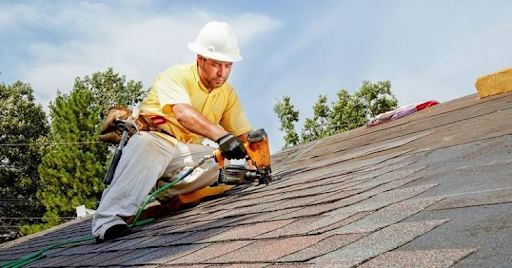
Your roof works harder than almost any other part of your home. It shields you from scorching summers, torrential rain, and heavy snow, all while taking a beating from sun exposure and temperature swings year after year. Most homeowners don’t think about their roof until something goes wrong, but by then, a small problem may have already turned into a costly repair.
Knowing when to replace your roof, rather than patch it up one more time, can save you money, stress, and the headache of unexpected leaks. This post walks through the telltale signs that your roof needs attention, what factors influence the decision to replace versus repair, and how Crown Residential Services LLC helps homeowners protect their biggest investment with confidence.
Whether you’ve noticed a few missing shingles or you’re simply planning, understanding your roof’s lifespan and condition puts you in the driver’s seat. Let’s break down what to look for and why timing matters more than you might think.
How Long Does a Roof Actually Last?
The lifespan of a roof depends heavily on the materials used and how well it’s been maintained. Asphalt shingle roofs, the most common choice for American homes, typically last between 20 and 25 years. Metal roofing can stretch beyond 40 years with proper care, while slate and tile roofs sometimes last a century or more.
Climate plays a major role too. Homes in regions with intense sun, heavy snowfall, or frequent storms often see faster wear and tear than those in milder climates. If your roof is approaching the upper end of its expected lifespan, it’s worth having it inspected even if you haven’t noticed obvious problems yet.
What Are the Warning Signs That You Need a New Roof?
Catching roof damage early can mean the difference between a straightforward repair and an emergency replacement. Here are the signs homeowners should never ignore.
Shingles Are Curling, Cracking, or Missing
Healthy shingles lie flat and form a tight seal against your roof deck. Once they start curling at the edges or cracking down the middle, they’re no longer doing their job effectively. Missing shingles expose your home to water infiltration and should be addressed right away, even if it’s just one or two spots.
You’re Finding Granules in Your Gutters
Asphalt shingles are coated with granules that protect against UV rays and weather damage. As shingles age, these granules begin to shed, often collecting in gutters and downspouts. A small amount of granule loss is normal, but excessive shedding is a sign your shingles are nearing the end of their useful life.
Daylight Is Visible Through Your Attic
Head up to your attic on a sunny day and look at the roof boards. If you see pinpricks of light coming through, that means there are gaps where water, pests, and cold air can also get in. This is one of the clearest indicators that your roof’s integrity has been compromised.
Your Energy Bills Have Crept Up
A roof in poor condition struggles to insulate your home properly. If you’ve noticed your heating and cooling costs rising without an obvious explanation, a failing roof could be letting conditioned air escape and outdoor temperatures seep in.
You Have Sagging Areas
A sagging roofline is a serious structural concern. It often points to water damage, rotting decking, or weakened support beams underneath the surface. This isn’t something to wait on, as sagging can worsen quickly and lead to more extensive (and expensive) damage.
Should You Repair or Replace Your Roof?
Not every roofing issue calls for a full replacement. If the damage is isolated, such as a few missing shingles after a storm, a targeted repair may be all you need. However, there are situations where replacement makes more financial and practical sense.
Choose repair if the damage is localized, your roof is less than halfway through its expected lifespan, and there’s no evidence of structural issues underneath. Choose replacement if your roof is approaching or past its expected lifespan, you’re dealing with widespread damage across multiple areas, or you’ve had recurring leaks despite previous repairs.
A professional inspection is the best way to determine which path makes sense for your specific situation. Roofing contractors can identify issues that aren’t visible from the ground and give you an honest assessment of your roof’s remaining lifespan.
What Factors Affect the Cost of a Roof Replacement?
Several variables influence how much a new roof will cost, and understanding them helps you budget appropriately.
Roof size and complexity: Larger roofs require more materials and labor. Roofs with multiple slopes, valleys, or dormers also take longer to complete and often cost more than simple, single-slope designs.
Material choice: Asphalt shingles remain the most budget-friendly option, while metal, tile, and slate come with a higher upfront cost but often last significantly longer.
Removal and disposal: If your old roof needs to be torn off before installation, that adds labor and disposal costs to the project.
Underlying damage: If your roofing contractor discovers rotted decking or structural damage once the old roof is removed, those repairs will add to the overall cost.
Getting a detailed, written estimate upfront helps avoid surprises once the project is underway.
Why Homeowners Trust Crown Residential Services LLC for Their Roofing Needs
When your home needs a new roof, choosing the right team makes all the difference between a smooth process and a stressful one. A properly installed roof replacement protects your home from costly water damage while boosting its curb appeal and resale value for years to come, which is exactly why so many homeowners turn to Crown Residential Services LLC when it’s time for an upgrade.
Crown Residential Services LLC brings years of hands-on roofing experience to every project, pairing quality materials with skilled craftsmanship. The team takes time to walk homeowners through every step, from the initial inspection to material selection, so there are no surprises along the way. Transparent pricing, dependable timelines, and a genuine commitment to customer satisfaction set Crown Residential Services LLC apart from other contractors in the area.
Every home is different, and so is every roofing project. Crown Residential Services LLC tailors its approach to match your home’s specific needs, local climate considerations, and budget, ensuring you get a roof that performs well and looks great for decades.
Ready to Protect Your Home for the Years Ahead?
A roof in good condition does more than keep you dry. It protects your family, preserves your home’s value, and gives you peace of mind through every season. If you’ve noticed any of the warning signs covered above, or if your roof is simply getting up there in age, now is the time to have it evaluated by a trusted professional.
Reach out to Crown Residential Services LLC to schedule an inspection and get a clear picture of your roof’s condition. A small step today can prevent major headaches down the road, and your home deserves nothing less than a roof built to last.
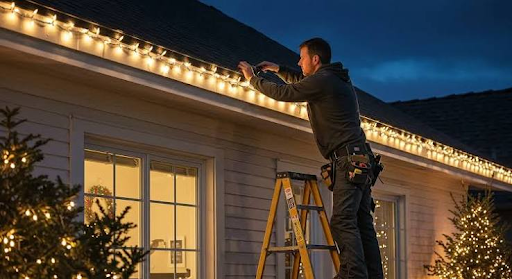
The holidays have a way of turning ordinary neighborhoods into something magical, and nothing sets that tone quite like a beautifully lit home. But stringing up lights yourself can mean wobbly ladders, tangled cords, and hours lost to a job that still doesn’t look quite right. That’s where Meridian Home Service Pros comes in, bringing expertise and creativity to every rooftop, tree, and walkway.
Homeowners today want more than a few strands of lights tossed over a bush. They want a display that reflects their personal style, lights up safely, and lasts the entire season without flickering out or falling. Achieving that look takes more than enthusiasm. It takes the right tools, the right techniques, and an eye for design that only comes with experience.
This is exactly where a trusted provider makes all the difference. Meridian Home Service Pros has built a reputation for turning holiday visions into reality, handling everything from design consultation to final takedown. Whether you’re dreaming of a classic warm-white display or a colorful showstopper that gets the whole street talking, this guide walks you through why professional help is worth it and what you can expect when you partner with a dedicated team.
What Makes Holiday Lighting Installation Worth the Investment?
Hanging lights sounds simple until you’re balancing on a ladder in freezing temperatures, untangling knots, and realizing halfway through that you’re out of extension cords. Professional installation removes all of that hassle while delivering a far more polished result.
Trained installers understand how to work with rooflines, gutters, and landscaping to create a cohesive look rather than a patchwork of mismatched sections. They also know which products hold up against wind, rain, and snow, so your display doesn’t become a casualty of the first winter storm. Beyond aesthetics, safety is a major factor. Climbing on icy roofs or reaching high eaves without proper equipment puts homeowners at real risk, and a professional team eliminates that danger entirely.
There’s also the matter of time. Between holiday shopping, family gatherings, and work obligations, most people simply don’t have the bandwidth to spend an entire weekend on lighting. Handing the job to experts frees up your schedule for the parts of the season you actually enjoy.
How Does Meridian Home Service Pros Approach Every Project?
No two homes are alike, and that’s exactly how the team at Meridian Home Service Pros treats each job. The process starts with a conversation about your vision, your budget, and the architectural features you want to highlight. From there, a design plan is created that balances creativity with practicality.
Installation day is handled with precision. Crews arrive equipped with commercial-grade lights, secure mounting hardware, and the experience needed to navigate tricky rooflines or oddly shaped trees. Every strand is tested before the crew leaves, so you’re not left discovering a dead section after dark.
Maintenance is part of the package too. If a bulb burns out or a strand shifts in the wind, a quick call brings the team back to make it right. Once the season winds down, takedown and storage are handled just as carefully, so your property is left clean and your lights are protected for next year.
What Styles and Options Can You Choose From?
Not everyone wants the same look, and that’s a good thing. Some homeowners prefer timeless warm-white lights that frame the roofline with understated elegance. Others want vibrant multicolor displays that capture the full spirit of the season, complete with animated patterns or synchronized timing.
Popular options include:
- Roofline outlining: Clean, continuous lines along eaves and gutters for a polished silhouette.
- Tree and shrub wrapping: Adding depth and warmth to landscaping features throughout the yard.
- Pathway and driveway lighting: Guiding guests to your door with a welcoming glow.
- Wreaths and garlands: Accenting windows, doors, and columns for added charm.
- Custom displays: Incorporating specific colors, themes, or even synchronized music for a truly personalized touch.
Choosing the right combination comes down to the architecture of your home and the atmosphere you want to create. A consultation helps narrow down what will look best without overwhelming the property or the budget.
Why Should You Choose Professional Help for Your Display This Year?
Holiday lighting installation delivers a stress-free, stunning display without the risks and headaches of doing it yourself, and that’s precisely the kind of peace of mind Meridian Home Service Pros aims to provide. From initial design to final takedown, every detail is managed by people who do this work daily and take pride in getting it right.
Choosing a professional team also means your display will look cohesive and intentional rather than thrown together in a rush. If durability during harsh weather matters more to you than a quick DIY fix, going with experienced installers is the smarter route. And if your schedule is already packed with holiday obligations, outsourcing this one task can free up hours you’d rather spend with family.
The result is a home that stands out for all the right reasons, without the ladder-climbing, cord-tangling stress that usually comes with it.
Light Up Your Season Without the Hassle
Your home deserves a display that feels festive, polished, and worry-free. Meridian Home Service Pros takes the guesswork and physical strain out of holiday decorating, replacing it with a smooth process from start to finish.
Ready to see your home transformed? Reach out to Meridian Home Service Pros today to schedule a consultation and start planning a display your neighborhood will remember all season long.

Why Stay Cool HVAC Is Florida’s Go-To Choice for Air Conditioning Service

Is Your Roof Ready for Another Winter? Signs You Need a Replacement

Elevate Every Room with Tile Experts from Roma Tiles in New York

Who Is Keiko Fujimoto? All About Sunny Balwani’s Former Wife

Bandit Lee Way: Everything to Know About Gerard Way and Lyn-Z’s Daughter

Meet David Scott Simon: Alison Berns’ Husband and His Private Life
-
 Celebrity3 months ago
Who Is Keiko Fujimoto? All About Sunny Balwani’s Former Wife
-
 Celebrity3 months ago
Bandit Lee Way: Everything to Know About Gerard Way and Lyn-Z’s Daughter
-
 News3 months ago
Meet David Scott Simon: Alison Berns’ Husband and His Private Life
-

 Celebrity3 months ago
Who Is Fred Tillman? The Full Story of Kelly McGillis’s Former Husband
-

 News3 months ago
Meet Morgan Kay Beamer: The Todd Beamer’s Daughter
-

 News4 months ago
Meet Carol Marlow: The Full Story of Tony Dow’s Private Ex Wife
-

 Celebrity3 months ago
Who Is Alice Young? Meet Neil deGrasse Tyson’s Wife
-

 Celebrity3 months ago
Meet Kelly Stewart-Harcourt: The Story of Jimmy Stewart’s Daughter